
Navigate Menopause with Confidence
Waking up drenched in sweat at 3am, forgetting simple words mid-sentence, feeling irritable for no clear reason. If you’re experiencing these changes and wondering whether it’s menopause, it just might be.
Menopause is a natural stage of life, not an illness. Your body is adjusting to a new hormonal rhythm, and there are ways to support this transition with care, awareness, and balance. Traditional Chinese Medicine (TCM) offers a gentle, holistic way to understand and manage menopause symptoms by supporting your body’s internal equilibrium.
Most women experience menopause between ages 45 and 55, with the average age being 51 years globally. However, timing varies considerably based on genetics, lifestyle, and health factors.
These terms are often confused, but they describe different phases of the menopausal transition.
Perimenopause is the transition period leading up to menopause when your hormones begin fluctuating and symptoms typically emerge. This phase can last anywhere from 2 to 10 years, with an average of 4 years. During perimenopause, you’re still having periods, though they become increasingly irregular. You may skip months, experience shorter or longer cycles, or notice changes in flow.
Menopause itself is a single point in time: the moment when you’ve gone 12 full months without a menstrual period. Once you reach this milestone, you’re considered post-menopausal for the rest of your life.
The physical manifestations of hormonal changes are often the first and most obvious signs of the menopausal transition:
Hormonal fluctuations profoundly affect mood regulation and emotional wellbeing, creating symptoms that can be just as challenging as physical changes:
Changes in memory, concentration, and sleep patterns are among the most distressing symptoms many women experience:
These symptoms are a reflection of hormonal adjustment, not personal weakness or instability.
Western perspective
Oestrogen and progesterone are the primary female reproductive hormones produced by your ovaries. As you approach menopause, production of these hormones becomes erratic, eventually declining to very low levels.
The erratic fluctuations during perimenopause often cause more severe symptoms than the steadily low levels characteristic of post-menopause, explaining why late perimenopause is typically the most symptomatic phase.
Many women notice weight gain during menopause, particularly around the abdomen, even without changes to diet or exercise.
Declining oestrogen reduces metabolic rate by approximately 200-300 calories daily. Without adjusting calorie intake or increasing activity, this easily leads to weight gain.
These metabolic shifts are biological, not simply a matter of willpower or discipline.
During menopause, your stress response system becomes more reactive, making previously manageable stressors feel overwhelming.
This can make emotional reactions feel stronger or more unpredictable.
TCM PERSPECTIVE
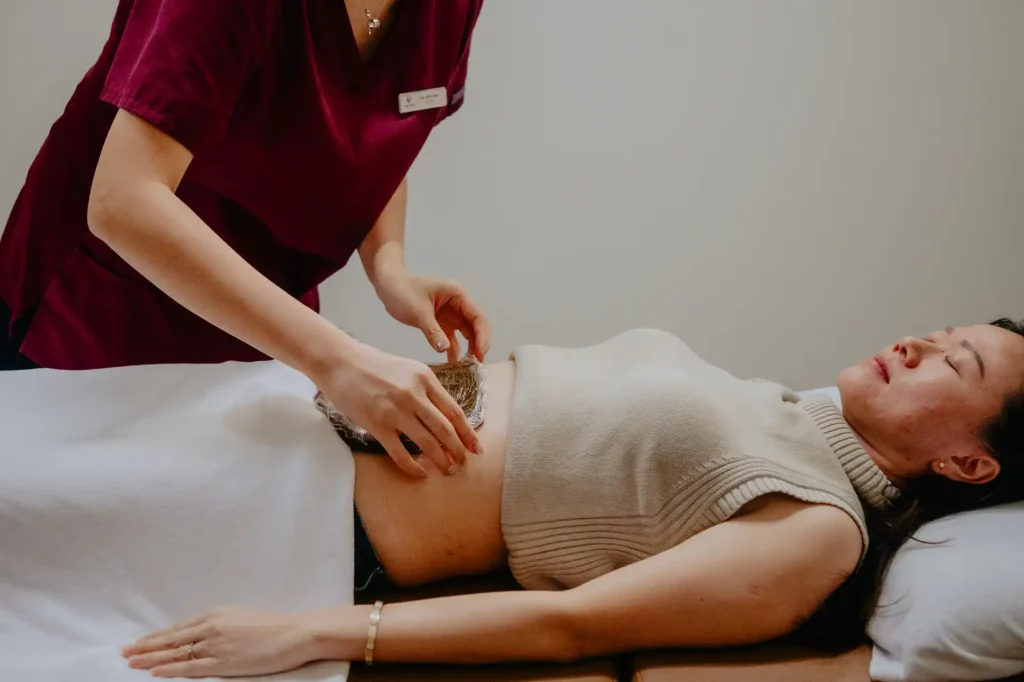
Natural life stage.
In TCM philosophy, the Kidney system governs reproduction, growth, development, and aging. It stores Jing (essence), the fundamental constitutional energy you’re born with. As you age, Kidney essence naturally declines. This isn’t pathological but represents the expected life cycle. In women, this decline manifests as the end of menstruation and fertility, as the Kidneys no longer have sufficient resources to support reproductive function.
Heat, dryness, night sweats.
Yin represents the cooling, nourishing, moistening aspects of your physiology. Think of it as your internal reservoir of fluids and resources that ground, cool, and nourish all tissues and organs. When Yin becomes low, heat rises. This can feel like hot flushes, dryness, restlessness, or difficulty sleeping.
Mood swings, irritability.
In TCM theory, the Liver system governs the smooth flow of Qi (energy) and emotions throughout the body. When this flow becomes obstructed or stuck, numerous symptoms emerge. When Qi stagnates for extended periods, it generates heat. This pattern contributes to hot flushes, particularly those associated with stress, anger, or frustration. You might notice hot flushes worsening when you’re upset or anxious.
TCM formulas to nourish Yin and calm internal heat
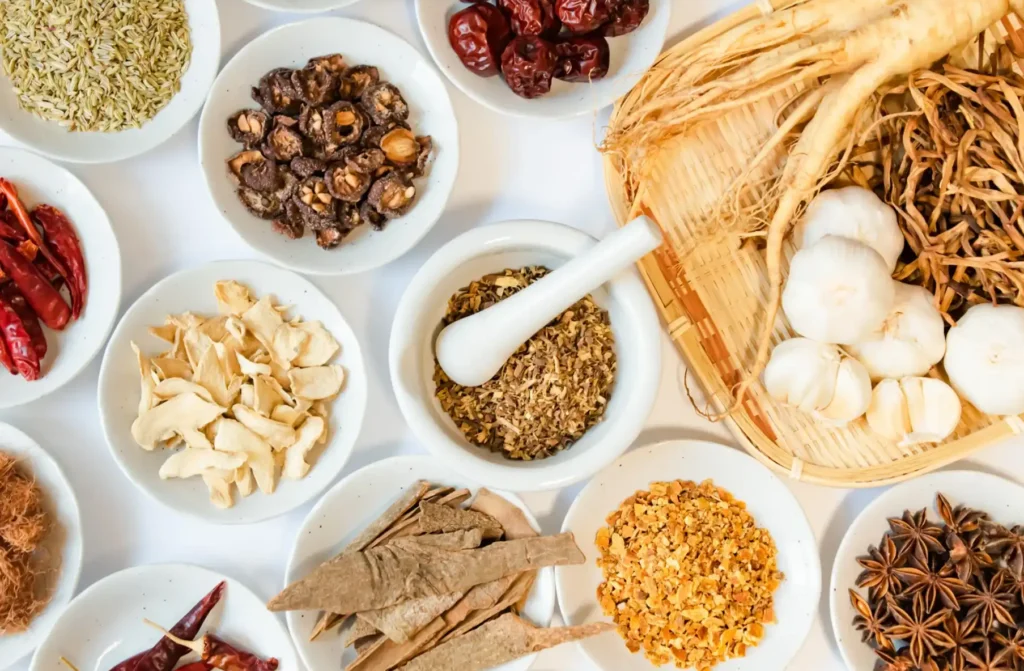
Our TCM pills and syrup are formulated to help reduce hot flushes, night sweats, dryness, and irritability by replenishing the body’s cooling and nourishing resources. These herbs contain phytoestrogens, compounds that gently influence oestrogen receptors without the risks associated with synthetic hormone replacement. They also support liver detoxification of hormones, reduce inflammation, and regulate stress responses.
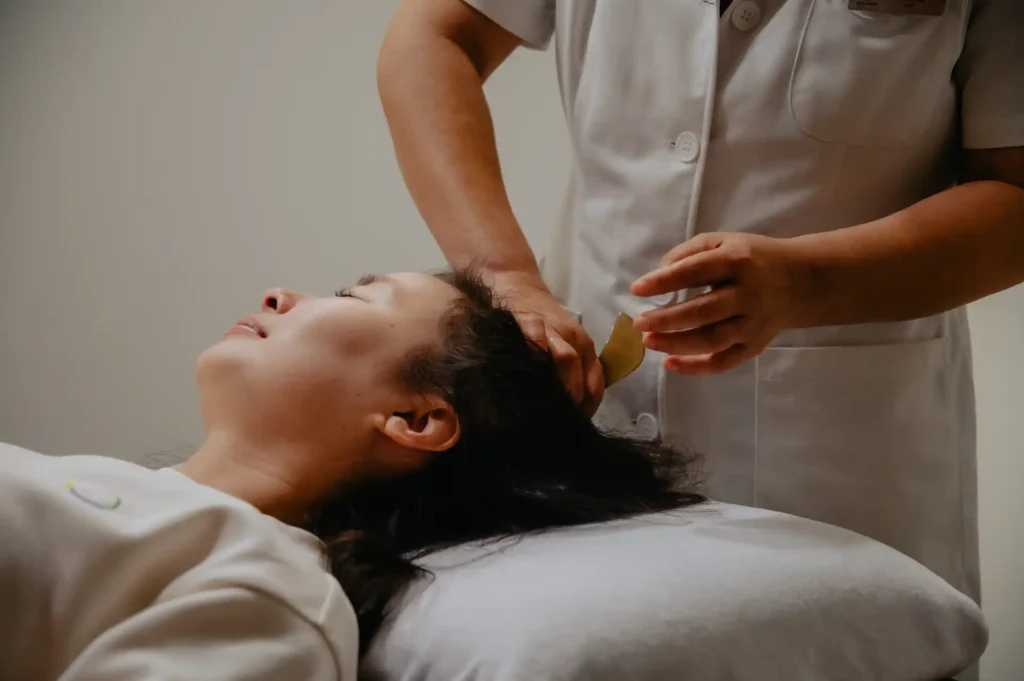
Acupuncture to stabilise mood and sleep
Our acupuncture sessions aim to help you with hormonal regulation, and manage symptoms such as hot flushes, sleep disturbances, and psychological symptoms.
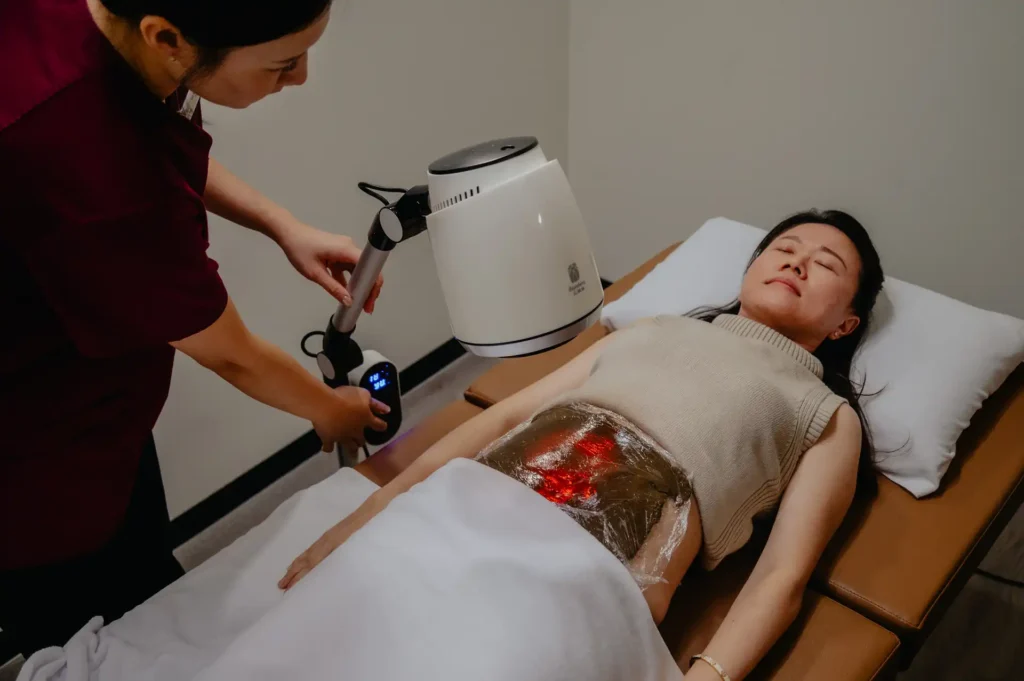
Moxibustion and gentle heat therapy for circulation and grounding
Our moxibustion sessions involves burning dried mugwort herb near specific acupuncture points to warm the body and improve circulation. This technique is particularly valuable for women whose menopausal pattern includes cold signs alongside heat symptoms.
At Wo.men Matters, each treatment plan is individualised, combining TCM medication, acupuncture, and lifestyle guidance tailored to your cycle pattern.
Whilst menopause is a natural transition, certain symptoms require prompt medical assessment to rule out other conditions or complications.
Seek medical guidance if you notice:
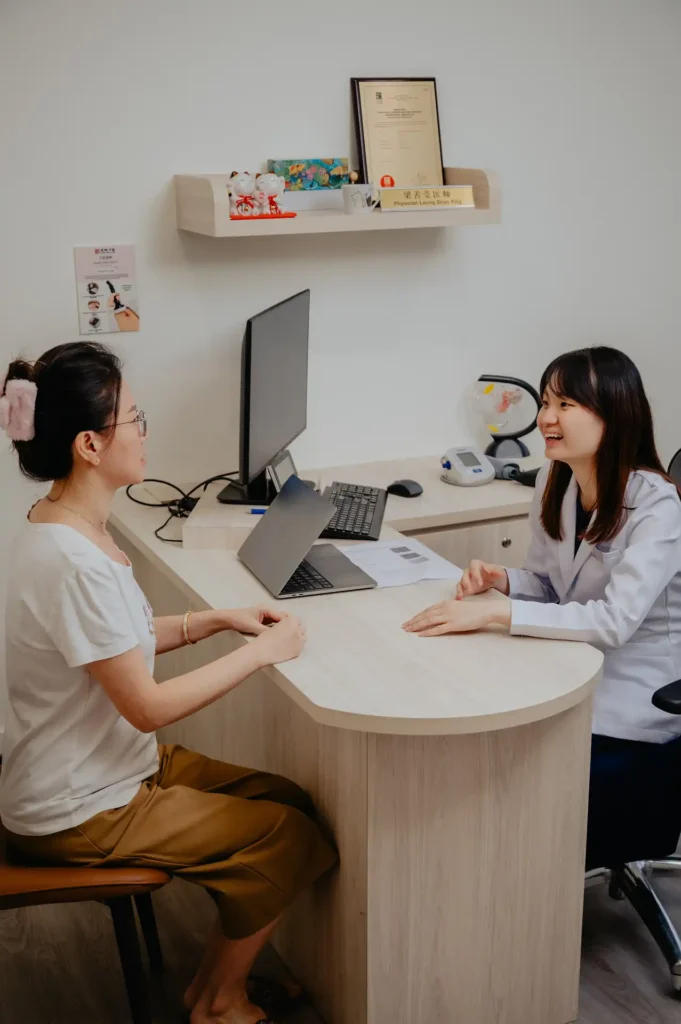
Your first TCM consultation at Wo.men Matters typically lasts 30 to 45 minutes, allowing comprehensive assessment and discussion. This includes:
Your first TCM consultation at Wo.men Matters typically lasts 30 to 45 minutes, allowing you to be fully heard.
This includes
Current symptoms, menstrual history, medications, past treatments, lifestyle factors
Your energy levels, digestion, sleep, temperature preferences, emotional state
Pulse diagnosis, tongue examination, and abdominal palpation if required
Once you’ve reached true menopause (12 consecutive months without a period), menstruation does not restart naturally. Any vaginal bleeding after this point requires immediate medical evaluation as it may indicate polyps, fibroids, hormone imbalances, or in rare cases, malignancy. Do not dismiss post-menopausal bleeding as “just your period returning.”
Menopause represents a life transition, bringing physical, emotional, and psychological changes that can feel overwhelming.
These symptoms reflect genuine physiological changes, not personal weakness or inadequacy. You deserve support, compassion, and effective treatment to navigate this transition comfortably.
At Wo.men Matters, we focus in supporting women through all phases of menopause with personalised TCM care that addresses your unique symptom pattern, constitution, and health goals.