
Restore Balance to
Postpartum
The weeks after birth are a crucial time. Your body has worked intensely, your hormones are shifting, and your daily rhythm now revolves around caring for your newborn. Many mothers describe this period as overwhelming. Postpartum massage can offer relief, grounding, and a sense of being supported through this transition.
In TCM, the first 40 days after birth are seen as a window where care, warmth, and nourishment have a long-lasting impact on a mother’s recovery and long-term health.
Read on to understand when to begin postpartum massage, how it differs from regular massage, and the TCM approach to recovery.
Postpartum massage focuses on supporting the body’s healing after pregnancy and birth, rather than simply providing relaxation. During birth, Blood and Qi are depleted, muscles are strained, and the abdomen and pelvis undergo major change. Massage during this period is gentle and restorative.
Birth creates substantial physical changes and challenges requiring specialised care.
Physical changes requiring attention:
Regular massage techniques don’t address these specific concerns and may even be inappropriate or uncomfortable for the postpartum body. Postpartum massage uses specialised techniques that support recovery rather than simply providing relaxation.
Postpartum massage, especially one grounded in TCM principles, serves multiple therapeutic purposes beyond stress relief:
Improve circulation:
Enhanced blood flow supports faster tissue healing, reduces swelling in extremities, promotes toxin removal, and delivers nutrients to recovering tissues.
Support uterine recovery:
Gentle abdominal massage (when appropriate) encourages uterine involution (returning to pre-pregnancy size), helps expel lochia (postpartum bleeding), and reduces cramping during this process.
Relieve muscle tension:
New mothers develop significant tension from feeding positions, carrying baby, sleep deprivation, and the physical demands of delivery. Massage releases accumulated tension in shoulders, neck, back, and hips.
Yes. Massage does not affect the quality or safety of breast milk. Some mothers may notice a more comfortable milk flow after massage.
Timing for beginning postpartum massage depends on your birth experience, recovery progress, and individual healing. Here are general guidelines that can help you plan appropriately. If you need tailored advice, Whatsapp us to check in with our therapists.
Many women begin from day 3 to the first week postpartum. Light, gentle work is usually suitable once bleeding is steady and the body feels ready.
You may start once your incision has begun healing and you feel comfortable, typically from week 3 to 6. Abdominal work is avoided until fully cleared. Always receive clearance from your obstetrician before beginning massage after caesarean. Internal healing takes longer than external appearance suggests. Signs of infection (redness, warmth, discharge, fever) require immediate medical attention and postponement of massage.
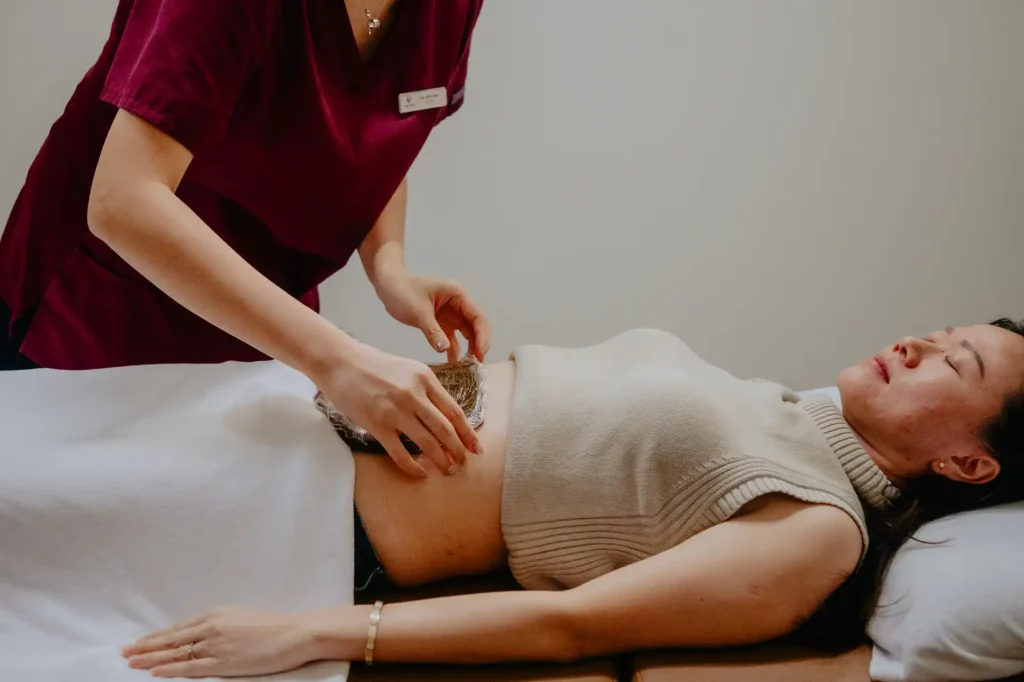
Traditional Chinese Medicine approaches postpartum recovery through a different philosophical lens focused on rebuilding resources depleted by pregnancy and birth.
If your priority is internal healing, energy restoration, and long-term wellbeing, the TCM approach may be more supportive. If you are focusing on body contouring, Jamu may suit you.
TCM postpartum massage offers comprehensive benefits addressing physical recovery, lactation support, and emotional wellbeing.
After birth, your uterus must contract from approximately grapefruit size back to its pre-pregnancy pear size (a process called involution). This dramatic size reduction typically takes 6-8 weeks.
How TCM massage supports uterine recovery:
Gentle abdominal techniques encourage downward movement of Qi, supporting the natural involution process. Massage promotes blood circulation to the uterus, supporting tissue healing and reducing inflammation. Specific acupressure points influence uterine contractions, helping the uterus return to proper position.
TCM views the postpartum uterus as vulnerable to “stagnation” where blood and fluids don’t clear properly. Gentle massage prevents this stagnation whilst supporting complete expulsion of lochia.
Reducing swelling:
Pregnancy hormones cause significant fluid retention that doesn’t immediately resolve after birth. Lymphatic drainage techniques reduce swelling in hands, feet, and ankles. Improved circulation helps eliminate excess fluids naturally. Specific points address “Dampness” (TCM term for fluid accumulation).
Gentle breast massage: Light techniques that move milk through ducts without traumatising tissue. This differs from aggressive massage that can damage delicate breast tissue.
Specific acupressure points: Points on the hands, feet, and back that influence milk production and flow (not just local breast work).
Shoulder and chest opening: Releasing tension in upper body that can restrict lymphatic drainage and blood flow to breasts.
Addressing blockages early: Catching blocked ducts early through regular massage prevents progression to mastitis (painful breast infection).
Supporting “let-down” reflex: Relaxation from massage enhances oxytocin release, improving milk flow during feeding.
From a TCM perspective, milk production requires abundant Qi and Blood. Postpartum depletion means some women struggle with supply. Massage combined with appropriate herbs and nutrition supports the resources needed for healthy lactation.
The postpartum period brings dramatic hormonal shifts, sleep deprivation, and profound life changes that challenge emotional equilibrium.
How massage addresses emotional wellbeing:
Reduces cortisol: Massage lowers stress hormone levels, helping counter the chronic stress of newborn care.
Keeps nervous system steady: Regular treatment activates the parasympathetic (rest and digest) nervous system, providing respite from constant sympathetic (fight or flight) activation.
Creates protected rest time: Scheduled massage sessions give permission to rest and receive care rather than constantly caring for others.
In TCM terms, massage nourishes Heart Blood and calms the Shen (spirit), addressing the emotional and spiritual dimensions of postpartum recovery alongside physical healing.
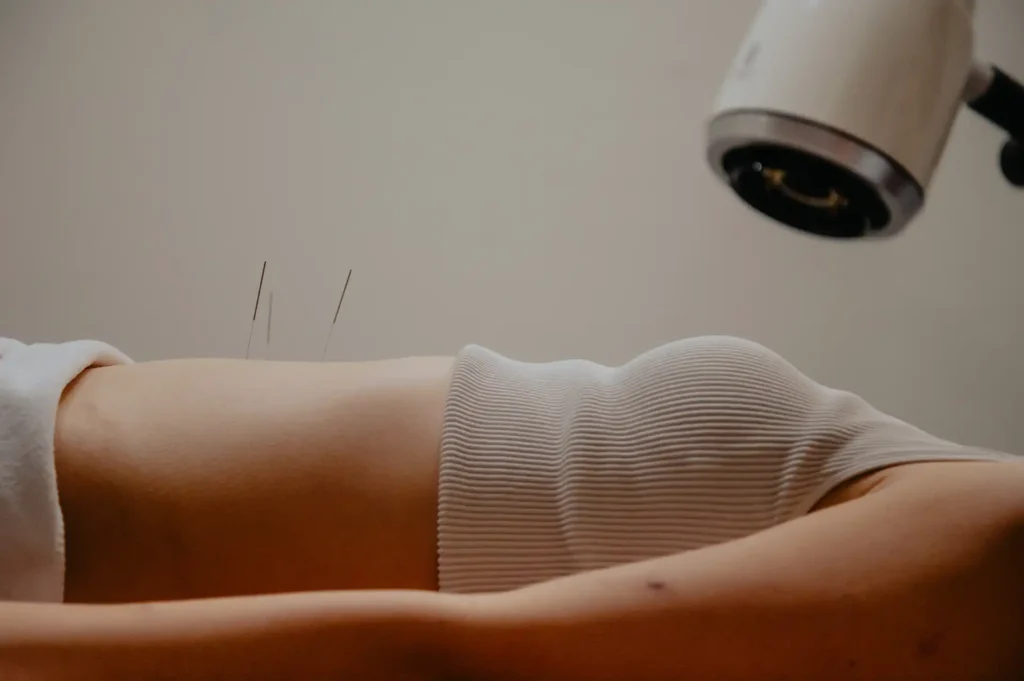
When breastfeeding issues arise, therapeutic massage provides targeted relief beyond general postpartum support.
Blocked duct protocol:
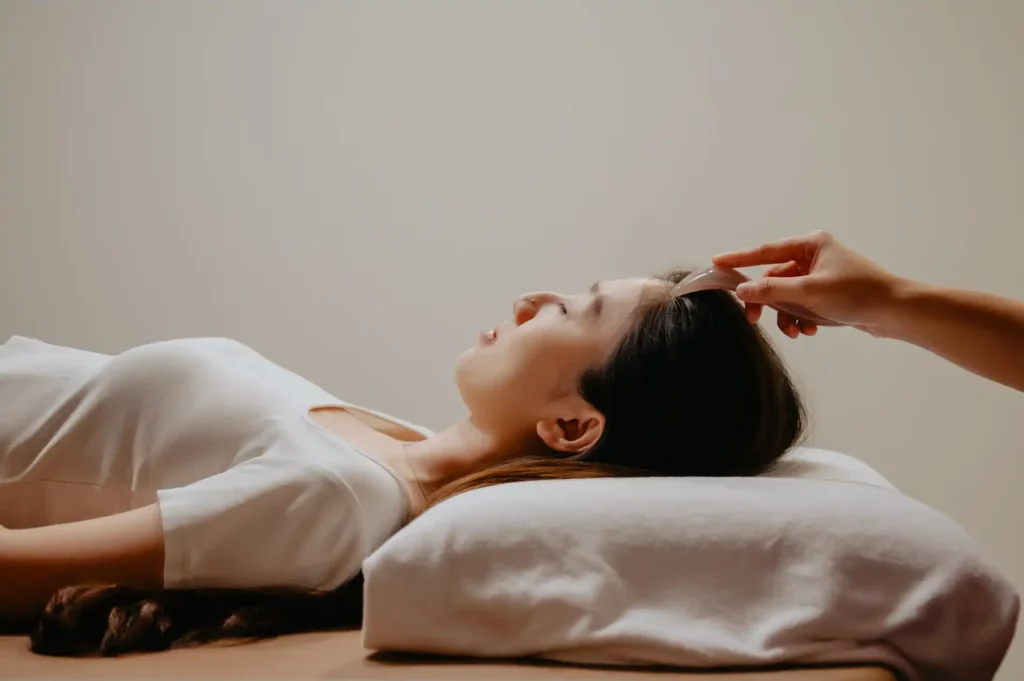
Whilst generally safe, certain situations require postponing or modifying massage treatment.
Contraindications requiring delay:
Always let your therapist know how you are feeling before your session.
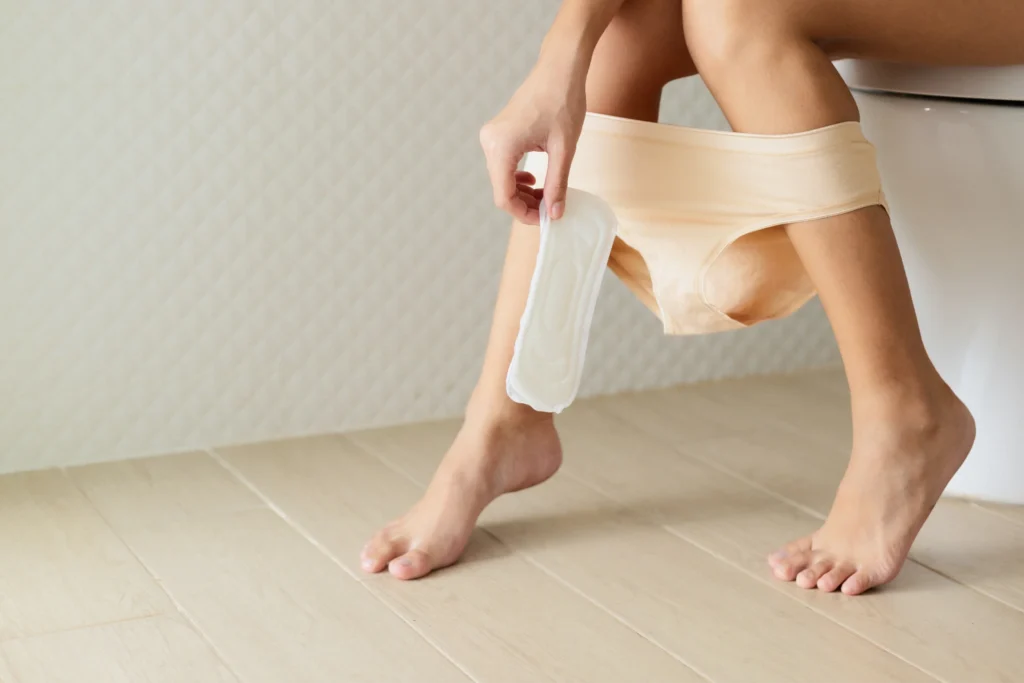
When performed by properly trained therapists using appropriate techniques, postpartum massage is very safe and beneficial. Understanding safety considerations helps you feel confident receiving treatment.
Massage is completely safe whilst breastfeeding and offers specific benefits for nursing mothers. You do not need to pump and dump after treatment.
Caesarean recovery requires special considerations but doesn’t prevent postpartum massage. Appropriate modifications ensure safety whilst providing valuable support.
Timeline for abdominal work:
Safety protocols:
Always inform your therapist about caesarean delivery. External healing (closed incision) doesn’t mean internal healing is complete. Watch for signs of infection or delayed healing requiring medical attention.
Your first TCM consultation at Wo.men Matters typically lasts 30 to 45 minutes, allowing you to be fully heard.
This includes
Current symptoms, menstrual history, medications, past treatments, lifestyle factors
Your energy levels, digestion, sleep, temperature preferences, emotional state
Pulse diagnosis, tongue examination, and abdominal palpation if required
Neither is inherently “better.” The right choice depends on your priorities, birth experience, and personal preferences. Jamu focuses on rapid slimming and abdominal reshaping through vigorous techniques, whilst TCM emphasises gentle healing, resource rebuilding, and lactation support. Women seeking quick aesthetic results may prefer Jamu. Those prioritising healing, comfort, and long-term health may prefer TCM. Some women combine elements of both. Consider your birth experience (caesarean requires gentler approaches), recovery goals, and what resonates with your values.
Abdominal binding is traditional in many cultures but not medically necessary for all women. Potential benefits include providing support for weakened abdominal muscles, potentially reducing diastasis recti, offering comfort and confidence about body shape, and providing warmth traditional systems value. However, binding isn’t appropriate for everyone. It can be uncomfortable or restrictive, isn’t recommended for certain medical conditions, and isn’t a substitute for proper abdominal rehabilitation exercises. If interested in binding, work with someone trained in proper technique to avoid excessive compression.
Postpartum massage isn’t medically essential in the sense that you won’t have complications without it. However, it offers substantial benefits for recovery, comfort, and wellbeing during a vulnerable time. Regular massage supports faster physical recovery, helps prevent issues such as blocked ducts and excessive tension, provides emotional support during challenging transition, and gives much-needed rest time for new mothers. In traditional Chinese medicine, postpartum care including massage is considered critical for preventing long-term health issues. Many women find massage one of the most valuable supports during early motherhood. If budget or access is limited, even occasional sessions provide benefit. The postpartum period is an important window for establishing healthy recovery patterns.
Postpartum massage supports healthy recovery but isn’t primarily a weight loss treatment. Massage can improve circulation and lymphatic drainage (reducing fluid retention), support metabolic function through nervous system regulation, and reduce cortisol that contributes to abdominal fat storage. However, sustainable postpartum weight loss comes from adequate rest, nourishing nutrition, gentle progressive exercise (after medical clearance), and patience (it took 9 months to grow baby, allow time for body to recover). Attempting rapid weight loss during early postpartum, particularly whilst breastfeeding, can compromise recovery and milk supply. Focus first on healing, then on healthy sustainable changes.
The postpartum period is a precious window for healing, bonding, and establishing foundations for long-term maternal health. Your body needs nourishment, rest, and gentle support as it recovers from the extraordinary work of pregnancy and birth.
At Wo.men Matters, we specialise in TCM postpartum care that honors the critical importance of this transition. Our experienced therapists provide gentle, effective massage tailored to your unique recovery needs, whether you had vaginal or caesarean birth.
Beyond massage, we offer comprehensive postpartum support including herbal medicine to rebuild Qi and Blood, acupuncture for healing and lactation support, dietary guidance for optimal recovery, and compassionate care that acknowledges both the joy and challenges of new motherhood.