Discovering spots of blood during pregnancy can be an incredibly distressing experience that leaves you questioning the safety of your baby. While your mind may immediately jump to the worst-case scenario, it is important to understand that light spotting is a relatively frequent occurrence in many healthy pregnancies.
Traditional Chinese Medicine offers supportive therapies that work alongside Western medical care to help stabilise pregnancy and address the underlying imbalances that may contribute to spotting.
What Does Spotting During Pregnancy Mean?
Spotting refers to very light vaginal bleeding that does not soak through a liner, often appearing as stray drops of blood on your underwear or when you wipe. It is a common symptom that requires careful monitoring rather than immediate panic.
Understanding Pregnancy Spotting vs. Bleeding
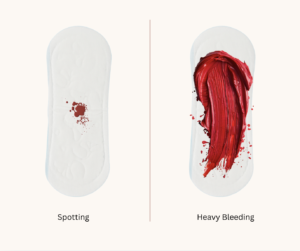
Understanding the difference between spotting and bleeding is key to tracking your reproductive health. While they can appear similar, they differ significantly in volume, colour, and duration.
The following table breaks down the primary distinctions to help you identify which one you may be experiencing:
| Feature | Spotting | Heavy Bleeding |
|---|---|---|
| Volume | A few drops; doesn’t fill a liner | Soaks through a pad in 1 to 2 hours |
| Colour | Pink, brown, or light red | Bright red or deep crimson |
| Duration | Lasts a few hours to a couple of days | Persistent and may increase in flow |
| Pain | Usually no pain or very mild stretching | Sharp cramps or pelvic pressure |
How Common Is Spotting in Early Pregnancy?
Statistically, approximately 20% to 30% of women experience spotting during the first trimester, and most go on to have healthy, full-term pregnancies. While spotting is less common after the first 12 weeks, any later occurrences require urgent medical evaluation.
Is Spotting Always a Cause for Concern?
Light, occasional spotting is often a normal physiological response to the changes happening in your body. However, every instance of bleeding should be reported to your healthcare provider. A professional evaluation ensures that even benign cases are documented and any underlying issues are caught early.
Why Does Spotting Happen During Pregnancy?
Several factors can trigger spotting, ranging from the natural implantation of the embryo to more serious medical complications involving the placenta or the location of the pregnancy.
Common Harmless Causes of Pregnancy Spotting
In many cases, the cause is non-threatening.
- Implantation Bleeding: This occurs 6 to 12 days after conception as the embryo attaches to the uterine lining.
- Cervical Sensitivity: During pregnancy, more blood flows to the cervix. Sexual intercourse or a pelvic exam can easily irritate the delicate vessels here.
- Hormonal Shifts: Your body is undergoing a massive chemical transition, which can occasionally cause the uterine lining to shed slightly.
- Subchorionic Haematoma: This is a small accumulation of blood between the uterine wall and the pregnancy sac. While it sounds intimidating, many resolve naturally with rest.
When Spotting May Signal a Problem
Spotting can sometimes signal conditions requiring medical intervention:
- Progesterone Deficiency: Low levels of this hormone can prevent the uterine lining from remaining stable, leading to spotting before a period starts or during the first trimester of pregnancy.
- Miscarriage: Spotting that progresses to heavy bleeding and intense cramping.
- Ectopic Pregnancy: Spotting accompanied by sharp, one-sided abdominal pain.
- Placental Issues: Painless bleeding in later months, potentially indicating placenta praevia.
Spotting at Different Stages of Pregnancy
The timing of spotting often points to its cause:
- First Trimester (Weeks 1–13): Usually related to implantation or hormonal shifts.
- Second Trimester (Weeks 14–27): Less common; often linked to cervical changes.
- Third Trimester (Weeks 28–40): Can be a bloody show signalling labor, though bright red bleeding requires emergency care.
The TCM Perspective: Understanding Spotting During Pregnancy (Foetal Leakage)
Traditional Chinese Medicine (TCM) views spotting as an outward manifestation of an internal imbalance. By identifying the root cause of this disharmony, TCM practitioners aim to stabilise the environment for the growing baby.
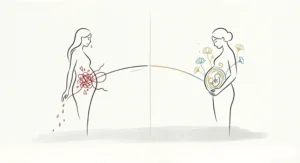
Why Your Body Might Struggle to Hold the Pregnancy
In TCM, spotting during pregnancy is referred to as Foetal Leakage (胎漏). If the spotting is accompanied by abdominal pain or a bearing-down sensation, it is called Restless Foetus (胎動不安). These terms describe a state where the body’s internal holding mechanisms are compromised, often involving the Chong and Ren meridians which govern the uterus.
Identifying Your Pattern of Disharmony
TCM categorises spotting into specific patterns to determine the correct treatment:
- Kidney Deficiency: The Kidney system is the root of reproductive health. When Kidney Qi (energy) is weak, it cannot securely hold the foetus. This often presents as dark spotting and lower back soreness.
- Qi (energy) and Blood Deficiency: If the mother is depleted, there is insufficient energy to nourish the pregnancy. This typically involves pale pink spots and extreme fatigue.
- Blood Heat: Excess internal heat can cause blood to move recklessly out of the vessels. This manifests as bright red spotting and irritability.
- Blood Stasis: Obstructed blood flow can lead to sharp pains and dark, clotted spotting.
How TCM Supports a Healthy Pregnancy at Wo.men Matters
At Wo.men Matters, our approach is focused on calming the body and reinforcing the natural strength of the mother to provide a secure foundation for the child.

Acupuncture for Pregnancy Stabilisation (安胎)
In TCM, the focus during early pregnancy is on Antai (安胎), or quieting the foetus. This approach prioritises strengthening the body’s internal environment to support a healthy pregnancy.
- Focus on Prevention: Rather than treating active spotting, acupuncture is best used as a proactive measure to reinforce the Spleen Qi (energy) and Kidney Essence, which are responsible for holding the pregnancy securely.
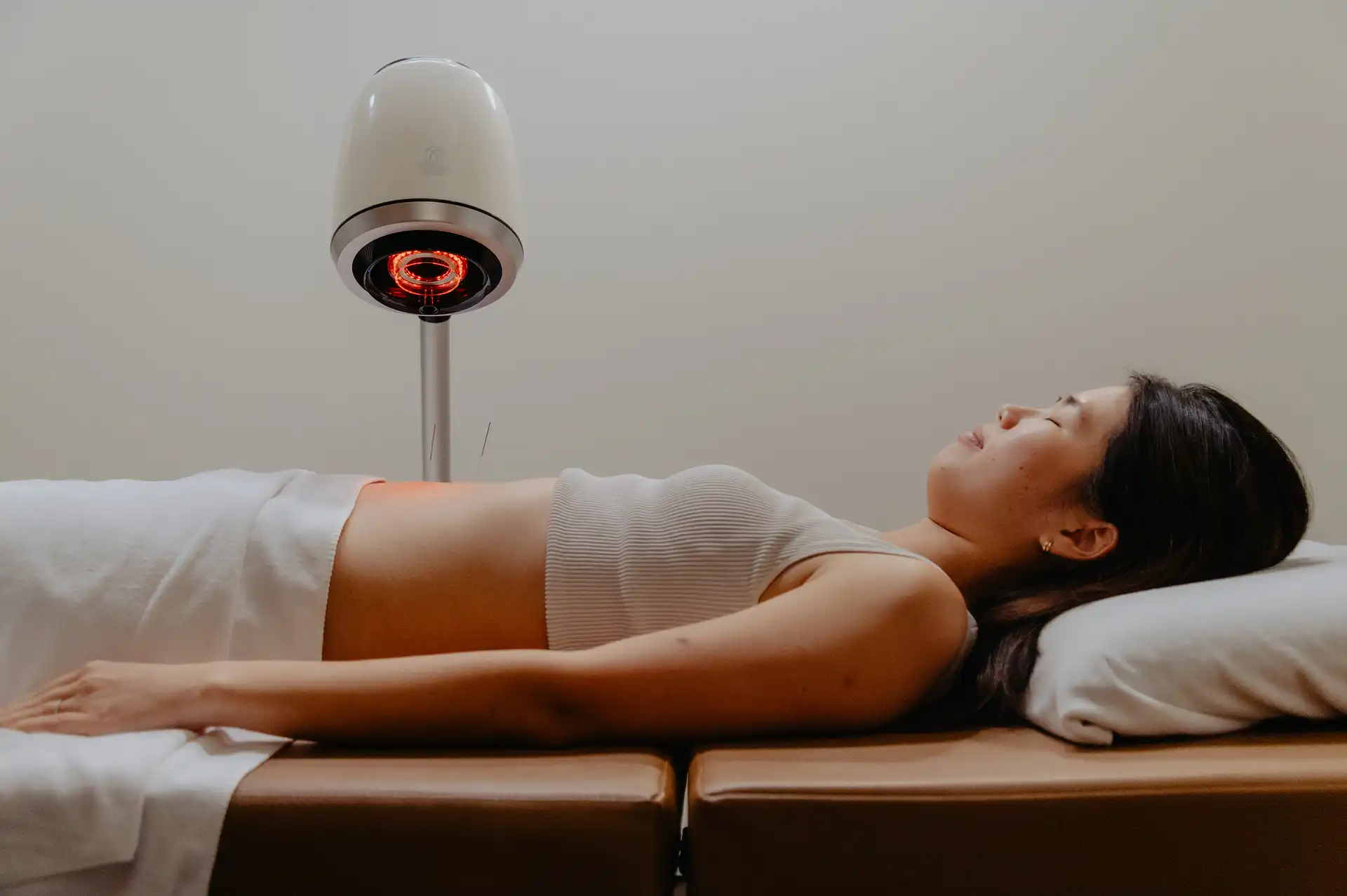
- Safe Techniques: Our practitioners use specific, gentle techniques that avoid the abdominal area entirely. By targeting points on the limbs and back, we help to lift sinking Qi (energy) and nourish the blood.
- Calming the Nervous System: By reducing the body’s stress response, acupuncture helps maintain a hormonal balance conducive to a stable pregnancy.
Note: For the safety of our patients, we do not perform acupuncture if active spotting is currently occurring. In such cases, we recommend immediate medical consultation with your OB-GYN.
You can learn more about our specialised Acupuncture Singapore services.
Personalised TCM Consultations for Foetal Health
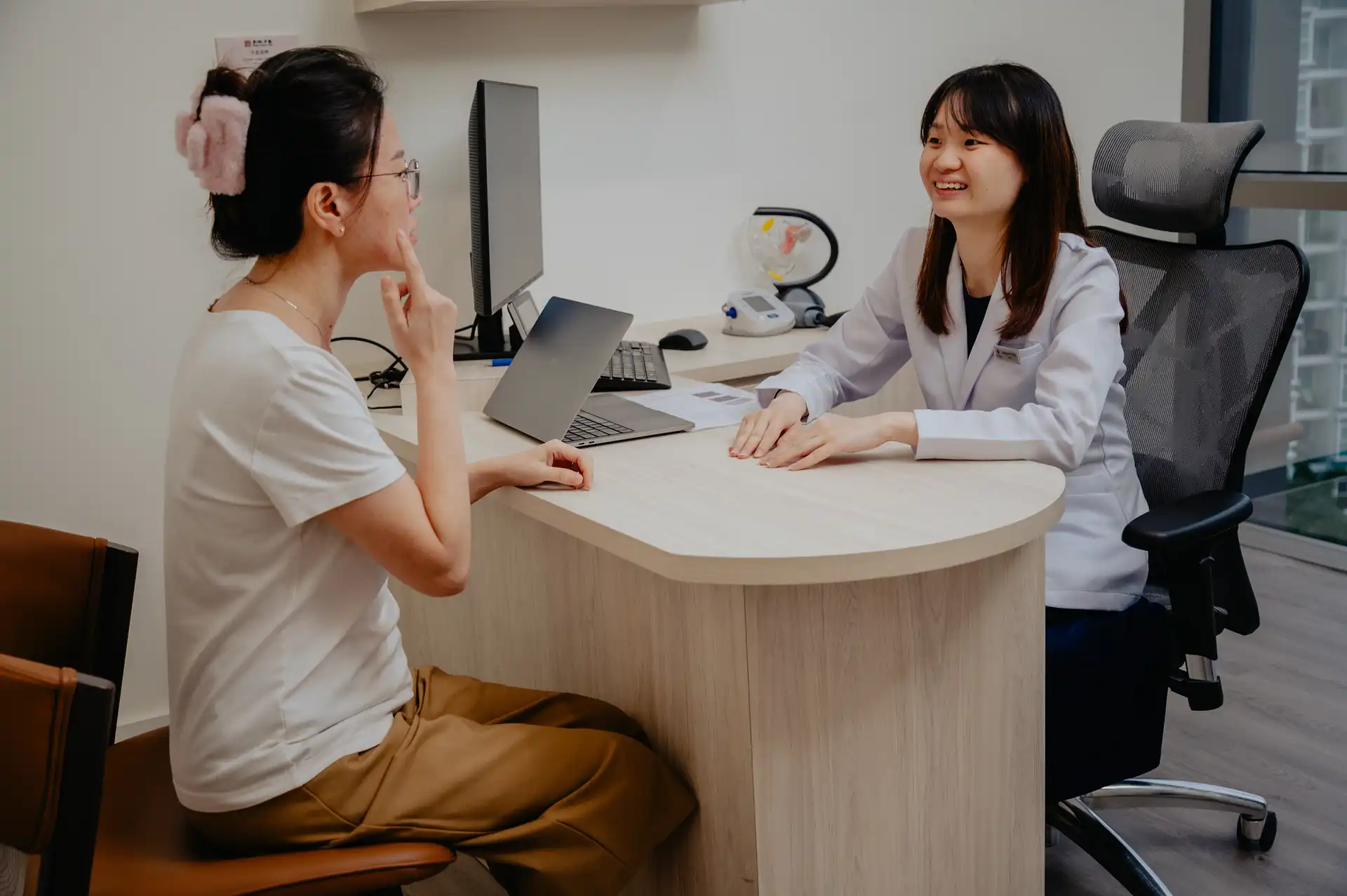
Your first consultation includes detailed pulse and tongue diagnosis to identify your specific pattern of disharmony. We create individualised treatment plans that may include Chinese herbal medicine in modern pill, powder, or syrup formulations. Our physicians provide dietary and lifestyle guidance tailored to your constitution, helping your body better support your pregnancy. All recommendations consider your Western medical care to ensure coordinated, safe treatment.
Safe and Holistic Wellness Plans
Safety is our absolute priority. Our practitioners are fully registered and experienced in pregnancy care within the Singapore healthcare landscape, ensuring that the wellness plan supports both maternal health and foetal development.
TCM-Approved Tips for Managing Spotting at Home
Supporting your pregnancy involves daily habits that foster a calm and nourished internal environment.
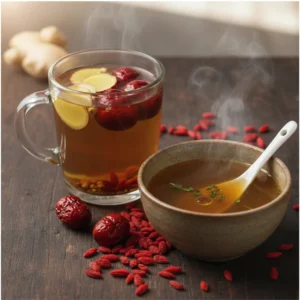
Nourishing Foods to Strengthen Qi and Blood
Dietary therapy is a cornerstone of TCM. We recommend focusing on warming, cooked foods that are easy to digest.
- Red Date and Ginger Tea: A traditional remedy to gently replenish blood and warm the uterus.
- Bone Broths: Rich in nutrients to support Qi.
- Goji Berries: Known for supporting Kidney and Liver health.
Rest and Emotional Regulation
In TCM, the heart and uterus are deeply connected. High levels of emotional distress can create “Heart Fire” which descends and disturbs the womb. Prioritising physical rest and “Mental Quietness” is vital. Avoid strenuous exercise if you notice spotting and focus on deep breathing to keep the Blood cool and stable.
When to Seek Immediate Medical Attention
While TCM provides excellent supportive care, certain symptoms require the immediate intervention of an emergency medical team or your obstetrician.
Red Flag Symptoms Requiring Emergency Care

- Heavy bleeding that soaks a pad in under an hour.
- Severe, sharp pain in the pelvis or abdomen.
- Passing large clots or tissue.
- Feeling faint, dizzy, or experiencing pain in the tip of your shoulder.
- Developing a fever or chills alongside spotting.
When to Contact Your Obstetrician
You should call your doctor for any spotting that occurs after the first trimester or if the spotting is persistent and accompanied by persistent dull cramping. If you notice a change in your baby’s movement patterns or have a history of previous complications, a quick check-up is the safest path forward.
The TCM Approach: Supportive, Not Replacement Care
At Wo.men Matters, we believe in a collaborative approach. TCM should work alongside your Western medical treatments. Always share your ultrasound and lab results with your TCM physician. This coordinated care ensures that we are working in harmony with your obstetrician’s plan for the best possible outcome.
FAQs About Spotting During Pregnancy
Can pregnancy survive after spotting?
Yes, many pregnancies continue successfully. Roughly 50% of women who experience first-trimester spotting have healthy babies.
What colour is normal pregnancy spotting?
It ranges from light pink to brown. Brown usually means older blood, while pink is fresh. Bright red with flow is concerning.
Does spotting mean high-risk pregnancy?
Not always. While it requires investigation, many low-risk pregnancies involve occasional light spotting.
How do I know the difference between spotting and miscarriage?
Spotting is light and often stops. Miscarriage bleeding is heavier, persistent, and usually accompanied by intense cramping.
Is TCM safe during pregnancy?
Yes, when performed by registered practitioners who avoid prohibited points. At Wo.men Matters, we specialise in safe, pregnancy-specific protocols.
Why Choose Wo.men Matters for TCM
Wo.men Matters is dedicated to providing a sanctuary for women throughout their motherhood journey. Our practitioners combine deep traditional knowledge with a modern understanding of pregnancy health to offer care that is both effective and comforting. We pride ourselves on a patient-centric approach that puts your safety and peace of mind first.
If you are concerned about spotting and wish to explore how TCM can support your pregnancy, our team is here to help. Book a consultation with Wo.men Matters today to receive a personalised wellness plan.