
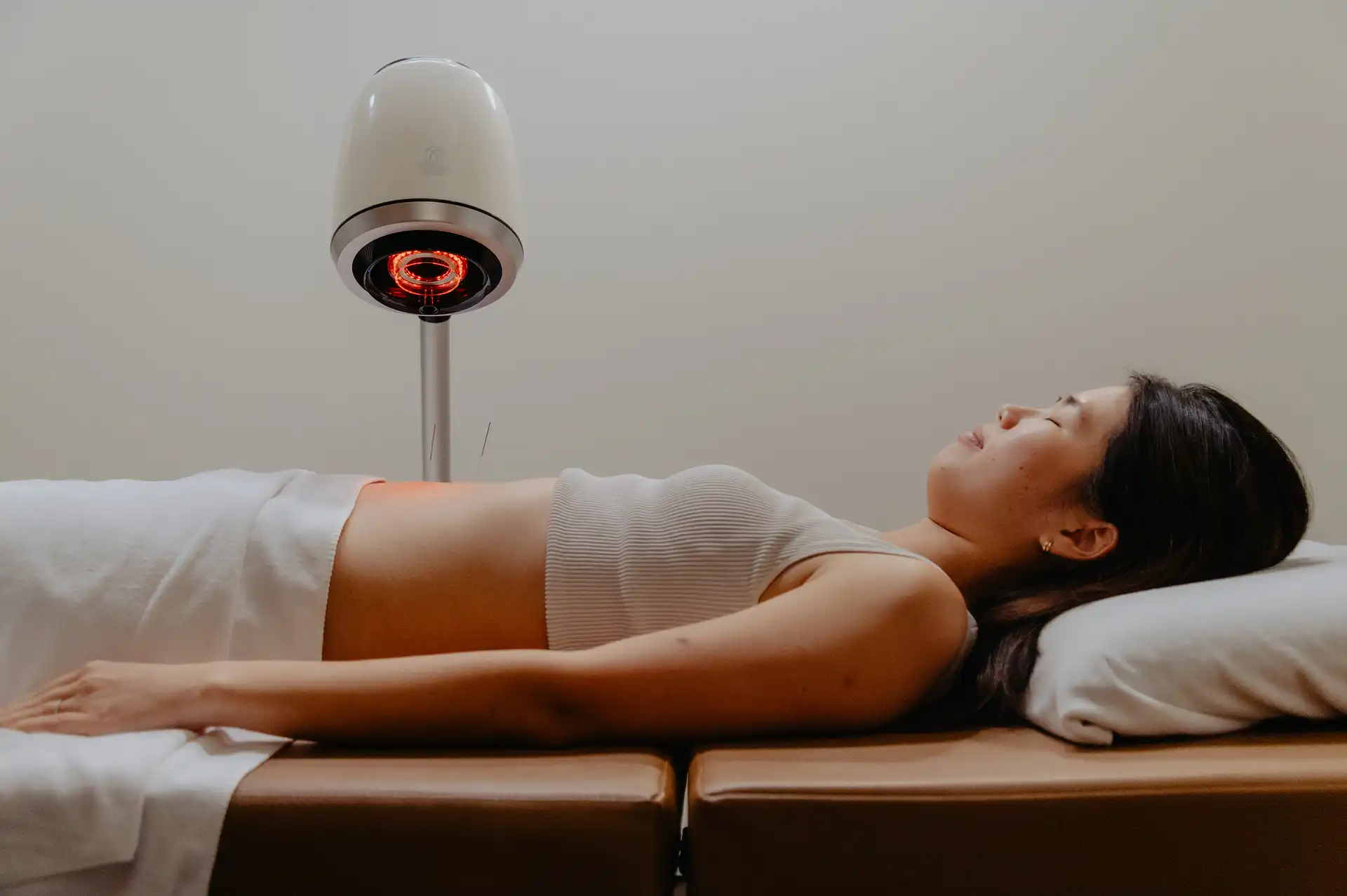
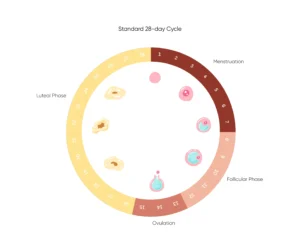
For many women trying to conceive, the luteal phase is the most anxious part of the month. The luteal phase is the final stage of your menstrual cycle. It begins immediately after ovulation and lasts until the first day of your next period, typically spanning days 15 to 28 of a standard 28-day cycle. During this time, the body enters a waiting period, focused entirely on preparing the uterus for a potential pregnancy. Supporting your body during this critical window can be a turning point in your fertility journey.
At Wo.men Matters, we focus on warming the womb and balancing hormones through TCM to support your luteal phase and optimise your body for natural pregnancy.
Understanding the Luteal Phase: Your Body’s Waiting Period
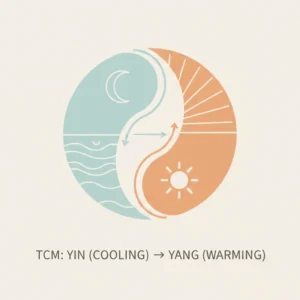
The luteal phase acts as the bridge between ovulation and pregnancy. While Western medicine focuses on the rise of progesterone, TCM looks at the shift from the cooling Yin energy of the first half of your cycle to the warming Yang energy of the second half.
Identifying Common Luteal Phase Symptoms
As progesterone rises, you may notice several physical and emotional changes. These symptoms are often the body’s way of communicating its hormonal state:
- Physical: Bloating, breast tenderness, fatigue, and changes in appetite (cravings for sweets or carbohydrates).
- Emotional: Heightened sensitivity, mild mood swings, or brain fog.
- Skin and Digestion: Hormonal breakouts along the jawline or changes in bowel movements.
In TCM, the severity of these symptoms tells us about your internal balance; for instance, extreme breast pain often indicates that your Liver Qi is not flowing as smoothly as it should during this Yang-dominant phase.
Western Understanding: Progesterone, the Corpus Luteum, and Implantation
After ovulation, the empty follicle becomes the corpus luteum, a temporary yellow body that acts as a hormone gland, which produces the vital hormone progesterone. This hormone prepares your body for pregnancy by:
- Thickening the Uterine Lining: It transforms the endometrium into a nutrient-rich, spongy environment.
- Supporting Implantation: It ensures the lining is stable enough for an embryo to attach and grow.
- Preventing Early Shedding: Sufficient levels prevent a luteal phase defect, where the lining sheds before a pregnancy can take hold.
The TCM View: The Transition from Yin to Yang
In Traditional Chinese Medicine, the luteal phase is defined by Kidney Yang. While the first half of your cycle focuses on building Yin and blood, this phase relies on movement and metabolic heat.
- The Metabolic Spark: Yang energy provides the warmth required for cell division and a receptive uterus.
- Maintaining Temperature: Robust Yang energy ensures your basal body temperature stays high enough to support a pregnancy.
- Sustaining Life: If Yang is weak, the body may lack the necessary energy to sustain a pregnancy after fertilisation.
Decoding Your Basal Body Temperature (BBT) to Confirm Luteal Phase
Tracking your Basal Body Temperature is one of the most effective ways to know exactly when you have entered your luteal phase. Because progesterone is thermogenic (heat-producing), your resting temperature will shift upwards once ovulation is complete. After ovulation, your resting temperature should ideally rise by 0.3°C to 0.5°C and stay elevated for at least 12 days.
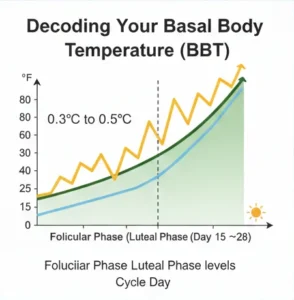
- A steady high temperature: Indicates strong Yang energy and healthy progesterone levels.
- An unstable or saw-tooth pattern: Often suggests Liver Qi (energy) stagnation or hormonal fluctuations.
- A slow rise: May indicate a struggle for the corpus luteum to produce enough hormones.
Is Your Luteal Phase Healthy? Signs to Watch For
A healthy luteal phase is the hallmark of a balanced reproductive system. However, many women experience subtle red flags that indicate their body may need extra support to optimise for conception.
Identifying Luteal Phase Defect (Short Luteal Phase)
A luteal phase that lasts fewer than 10 days is often classified as a luteal phase defect. This shortened timeframe is problematic because it does not allow the embryo enough time to travel to the uterus and implant securely. In TCM, we often trace this back to Spleen and Kidney Qi (energy) deficiency. The body simply lacks the holding energy required to maintain the uterine lining, leading to an early period and missed conception opportunities.
Spotting Before Your Period: A Sign of Kidney Yang Deficiency
Noticing brown discharge or light spotting before your period is a common sign of Kidney Yang deficiency. In Traditional Chinese Medicine, Yang energy acts as a force that holds blood within the vessels and the lining within the uterus.
Managing PMS, Bloating, and Mood Swings
While often dismissed as normal, intense symptoms like irritability and breast tenderness are signs of Liver Qi (energy) Stagnation. The luteal phase requires a smooth flow of energy to move blood to the uterus effectively.
How TCM Optimises the Luteal Phase for Conception
TCM does not just look at hormone numbers on a lab report; we look at the quality of the soil in which the seed will grow. By focusing on warmth and circulation, we help your body perform its natural functions more efficiently.

Warming the Womb: Tonifying Kidney Yang
A cold womb is a common diagnosis in TCM for women struggling with fertility. In Singapore’s air-conditioned environments and with the frequent consumption of iced drinks, internal cold can easily settle in the reproductive organs. This cold constricts blood vessels and slows down the metabolic processes needed for implantation.
- TCM Goal: Use Traditional Chinese Medicine with warming properties and therapies to nourish increase blood flow and circulation to the womb.
- Result: A more receptive uterine environment that is warm enough to support life.
Invigorating Blood and Smoothing Qi (energy)
For an embryo to thrive, it needs a constant supply of fresh, oxygenated blood. If your Qi (energy) is stagnant, blood flow to the ovaries and uterus may be suboptimal. TCM treatments work to invigorate the blood, ensuring that the endometrium is not just thick, but also highly vascularised and receptive. This smooth flow also helps reduce the tension in the uterus that can cause early cramping or discomfort.
Wo.men Matters Treatments for Luteal Phase Support
At Wo.men Matters, we offer a range of treatments designed to support women through the two-week wait. Our approach is always personalised to your unique body constitution.
Fertility Acupuncture for Hormonal Balance
Acupuncture is a cornerstone of our fertility support. By stimulating specific points on the body, we can help regulate the hypothalamic-pituitary-ovarian axis, which controls your hormone production.

- Improves blood flow: Specifically to the uterine arteries.
- Reduces stress: Lowering cortisol levels that can interfere with progesterone.
- Balances hormones: Helping to sustain the temperature rise needed for the luteal phase.
Professional TCM Consultation & Diagnosis
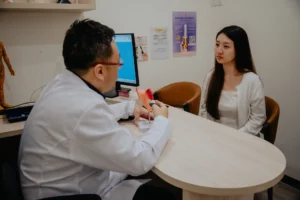
Every journey begins with an in-depth consultation. Our TCM physicians use the Four Examinations (looking, listening, asking, and feeling the pulse) to identify the root cause of cycle irregularities. By observing these unique markers, we can pinpoint the specific imbalances affecting your fertility and overall health. We don’t just treat the symptoms; we look at your lifestyle, diet, and emotional well-being to create a holistic plan that fits your needs.
Lifestyle & Nutrition: The TCM Luteal Phase Syncing Guide
What you do daily has a profound impact on your hormonal health. Cycle syncing your lifestyle to the luteal phase can significantly support your body’s Yang energy.
Diet for a Warm Uterus
During the luteal phase, your body’s internal temperature is naturally higher. Support this by eating warm and neutral foods.
- Include: Ginger, cinnamon, walnuts, dried longan, and red dates.
- Avoid: Raw salads, sashimi, and iced bubble tea, which can introduce damp-cold into the system.
- Cooking Method: Favour soups, stews, and steamed dishes over fried or raw foods.
Stress Management and Sleep Hygiene
In TCM, the Liver and Heart are closely tied to your emotional state. High stress causes Qi stagnation, which chokes the flow of energy to the uterus. Furthermore, sleep is when your body restores its Essence (Jīng).
- The 11 PM Rule: Try to be in bed by 11 PM. This is the time when the Gallbladder and Liver meridians are most active in regenerating blood and balancing energy. In TCM, the Gallbladder is responsible for decision-making and the repair of muscle tissue. More importantly, it is the pivot point where Yin energy transitions into Yang. If you are awake during this time, you scatter the energy needed for cellular repair.
Gentle Movement vs. Intense Exercise
The luteal phase is a time for conservation, not depletion. While regular exercise is great, avoid high-intensity interval training (HIIT) or heavy lifting during the two-week wait. These can divert blood away from the uterus and towards the muscles. Instead, choose:
- Gentle Yoga or Pilates
- Brisk walking in nature
- Stretching that focuses on the pelvic area
Frequently Asked Questions
Navigating the complexities of the menstrual cycle can lead to many questions. Here are some of the most common concerns we hear at our clinic.
Can I get pregnant during the early luteal phase?
Yes, but the window is very small. An egg is only viable for about 12 to 24 hours after it is released. If you ovulate and have intercourse in the very early hours of your luteal phase, pregnancy is possible. However, the most fertile days remain the 2-3 days leading up to and including ovulation.
Why is my luteal phase longer than 17 days?
If your luteal phase extends past 18 days and your temperature remains high, it is a very strong indicator of pregnancy. If you are not pregnant, a consistently long luteal phase may point towards a hormonal imbalance, such as a persistent corpus luteum cyst or conditions like PMOS (Polyendocrine Metabolic Ovarian Syndrome, formerly known as PCOS), which require a professional evaluation.
How can I naturally improve my luteal function?
TCM approaches this by strengthening the source of your hormones—the Kidneys and Spleen. Through a combination of acupuncture to stimulate the endocrine system and warming foods to support metabolic heat, we help your body produce its own progesterone more effectively. Reducing caffeine and managing stress also prevents the progesterone steal, where your body uses progesterone to make stress hormones instead.
Why Choose Wo.men Matters for TCM
If you are navigating the complexities of your cycle or are actively planning for pregnancy, professional guidance can transform your experience. Understanding the nuances of your body’s signals is essential for those looking into the luteal phase and its role in successful conception.
At Wo.men Matters, our physicians bridge traditional TCM wisdom with modern reproductive science to enhance hormonal balance and uterine receptivity. We specialise in correcting imbalances like Kidney Yang deficiency and Liver Qi stagnation that can shorten your cycle or affect implantation. Our holistic approach prepares your body not only to conceive but to sustain a healthy pregnancy.
Book a consultation today to start your journey with us towards better menstrual health and dedicated fertility support.