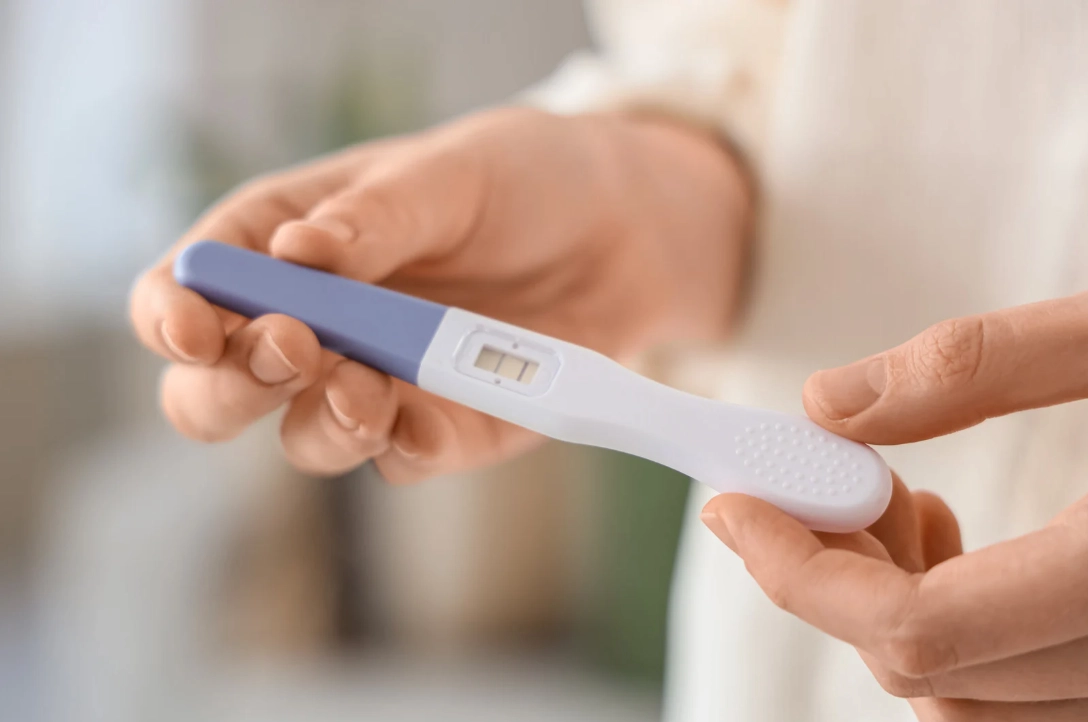
If you’re on the trying-to-conceive (TTC) journey, you’ve likely heard the advice: get a fertility test first. And it’s good advice. But what happens after the results come in? For many women, a sheet of numbers (including AMH levels, FSH readings, and antral follicle counts) raises more questions than it answers.
At Wo.men Matters, we believe a fertility test isn’t just a diagnostic checkpoint. It’s the beginning of a conversation between your body and your care team, one that draws from both Western science and Traditional Chinese Medicine (TCM) to give you the fullest picture possible.
Why Fertility Testing Is Central to the TTC Journey
Getting pregnant can feel deeply personal and, when it doesn’t happen quickly, deeply confusing. A fertility test removes the guesswork. It tells you what is happening in your body so that you and your practitioner can decide what to do next.
At Wo.men Matters, fertility testing isn’t a box to tick before treatment begins. It’s woven into every stage of care. Our TCM physicians don’t just read the results you bring in: they interpret them through a dual lens, combining biomedical understanding with TCM pattern differentiation. That means your AMH level doesn’t just tell us about your egg reserve, it informs us about your Kidney energy. Your FSH reading doesn’t just measure hormonal efficiency; it reflects the state of your Qi and Blood.
What Your Fertility Test Actually Covers
A comprehensive fertility test typically includes several key investigations. Here’s what each one measures and what it can mean through a TCM lens.
AMH (Anti-Müllerian Hormone)
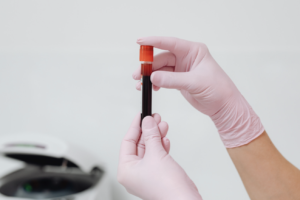
Anti-Müllerian Hormone (AMH) is produced by small follicles (tiny pouches containing immature eggs) growing in the ovary. Measured via a simple blood test, the level of AMH reflects the number of growing follicles, providing a reliable indication of your current egg supply.
While it is a powerful marker, it is important to remember:
- Correlation, not Exact Count: AMH levels are correlated with, but not equal to, the total number of eggs present.
- Age-Related Decline: The number of eggs naturally declines as we age until menopause, when the supply runs out.
- IVF Predictor: AMH is the most reliable tool to predict how strongly the ovaries will respond to hormones during an IVF cycle.
Understanding Low AMH: The Western vs. TCM Perspective A low AMH result often brings women through our doors feeling anxious. In Western medicine, this signals a diminished ovarian function that may affect IVF response or natural conception timelines. However, TCM offers a different lens on this result.
- In Western Medicine: Low AMH identifies the need to adapt hormone dosages to optimise treatment outcomes.
- In TCM: Low AMH is closely associated with Kidney Deficiency, specifically a depletion of Kidney Yin or Essence. The Kidneys govern reproduction and fundamental vitality. When Essence is depleted by age, chronic stress, or overwork, the body has less energy to sustain robust egg development.
Nourishing the Internal Environment
A low AMH count does not mean conception is impossible; it means the soil needs more nourishment. We use a multi-pronged approach to support follicular development and egg quality:
- Acupuncture: Tonifies Kidney Yin and improves blood flow to the ovaries.
- Baliao Massage + Herbal Paste: Applied between Day 5 and ovulation to warm the womb and clear stagnation.
- TCM Herbal Formulas: Custom-tailored to replenish Kidney Essence and support the body alongside Western medical pathways.
FSH (Follicle-Stimulating Hormone)
FSH is measured on Day 2 or Day 3 of your menstrual cycle and tells us how hard your pituitary gland is working to stimulate egg production. A high FSH reading often indicates that the body is compensating for a declining ovarian reserve, meaning it is pushing harder to get the same result.
In TCM, elevated FSH is often read alongside signs of Yin Deficiency with Heat: a pattern where the cooling, nourishing aspects of the body are insufficient, causing the system to overwork. Women with this pattern may notice night sweats, a shorter menstrual cycle, or a light period. Treatment focuses on enriching Yin and clearing deficiency heat to bring the system back into balance.
Antral Follicle Count (AFC) via Pelvic Ultrasound
A transvaginal ultrasound allows your doctor to count the small, resting follicles visible in your ovaries at the start of your cycle. This number, the Antral Follicle Count, is another indicator of ovarian reserve and is typically interpreted alongside your AMH result.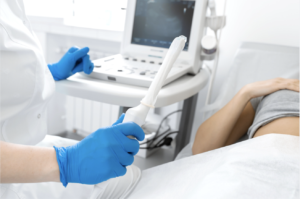
The ultrasound also examines the uterine lining and checks for conditions like fibroids, polyps, or ovarian cysts, which are structural factors that can affect the chances of conception.
In TCM terms, concerns like thin endometrium are often linked to Blood Stasis or Kidney-Yang Deficiency: conditions where circulation to the uterus is poor and the uterine environment lacks the necessary nourishment to sustain a pregnancy.
Hormonal Panel: Oestrogen, Progesterone, LH, Prolactin, Thyroid
A full hormonal panel paints a picture of your entire cycle, from ovulation to implantation. Common findings include:
- Elevated prolactin, which can suppress ovulation and is linked in TCM to Liver Qi Stagnation: a pattern often triggered by stress and emotional tension.
- Low progesterone, associated with a short luteal phase and difficulty sustaining early pregnancy. TCM views this through the lens of Kidney Yang Deficiency, where the warming, activating energy needed to support implantation is insufficient.
- Irregular LH surges or absent ovulation, commonly seen in PMOS (Polyendocrine Metabolic Ovarian Syndrome, formerly known as PCOS), which TCM often attributes to Phlegm-Dampness obstructing the reproductive system.
- Oligo-ovulation (Infrequent or irregular ovulation): Beyond PMOS, other clinical factors can delay or prevent ovulation. High stress, thyroid disorders, hyperprolactinemia (high prolactin levels), excessive exercise, and perimenopause are all common contributors to irregular cycles.
Semen Analysis
Semen analysis evaluates sperm count, motility (movement), and morphology (shape), which are the three key indicators of male fertility. Poor results in any of these areas can significantly affect the chances of natural conception or IVF success.
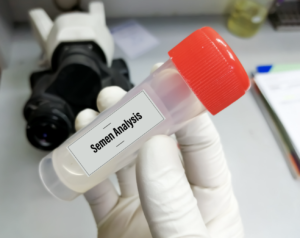
In TCM, male fertility is also rooted in the Kidneys. Low sperm count or poor motility is frequently associated with Kidney Yin or Yang Deficiency, while poor morphology can indicate accumulated heat in the reproductive system, often linked to lifestyle factors like alcohol, heat exposure, or chronic stress.
For a more comprehensive assessment, two additional specialised tests are available to evaluate sperm quality beyond basic parameters:
- DNA Fragmentation Test: This measures the percentage of sperm with damaged genetic material. High levels of DNA fragmentation can hinder fertilisation, increase the risk of miscarriage, and reduce the success rates of assisted reproductive treatments.
- Sperm Hyaluronan-binding Assay (HBA): This test assesses the maturity and binding ability of sperm. It determines the proportion of sperm capable of binding to hyaluronan, a substance found around the egg, which serves as a marker for a sperm’s readiness to fertilise naturally.
Sperm Motility Test: How Well Sperm Can Travel
Motility is assessed as part of semen analysis but deserves its own attention, as it is one of the most common findings in male fertility assessments. The test measures what percentage of sperm are moving and, more importantly, how well they are moving. Sperm motility is classified into two key categories:
- Progressive motility: sperm swimming in a straight line or in large circles, which is the movement pattern most likely to reach and fertilise an egg.
- Non-progressive motility: sperm that are moving but not travelling effectively forward.
A result below 32% progressive motility is considered below the normal threshold and may significantly reduce the chances of natural conception.
From a TCM perspective, poor sperm motility is most commonly linked to Kidney Yang Deficiency, a lack of the warming, activating energy that drives movement and vitality. Men with this pattern often present with other signs of cold and fatigue: feeling cold easily, low energy, a pale or puffy tongue, and a deep, slow pulse.
Treatment focuses on warming and invigorating Kidney Yang through targeted herbal formulas and acupuncture, with the goal of improving the vigour and forward momentum of sperm over a treatment cycle of three to four months, which is roughly the time it takes for a new generation of sperm to mature.
HSG (Hysterosalpingogram)
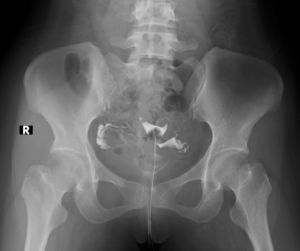
An HSG is an X-ray procedure that checks whether the fallopian tubes are open or blocked. Blocked tubes are a common and significant cause
of infertility, often the result of past infections, endometriosis, or prior surgery.
At Wo.men Matters, we fully support our patients in undergoing this test where recommended, and we work alongside the results. If tubes are clear but conception remains difficult, our TCM assessment helps identify subtler internal barriers. If tubes are affected, we discuss the appropriate pathway forward, including how TCM can support the body through the IVF process.
What Happens After Your Fertility Test
Receiving your fertility test results is a starting point. At Wo.men Matters, we review your test findings in the context of your full health picture: your menstrual history, sleep, stress levels, diet, digestion, and emotional wellbeing. Your TCM physician will also conduct a tongue and pulse assessment, two diagnostic tools that reveal patterns of imbalance invisible to blood tests alone.
From there, a personalised treatment plan is built. This typically includes:
- Acupuncture to regulate the hypothalamic-pituitary-ovarian (HPO) axis, improve blood flow to the uterus and ovaries, and reduce stress hormones like cortisol. For patients undergoing assisted reproduction, we usually begin acupuncture two weeks before the start of IVF stimulation or a Frozen Embryo Transfer (FET).
- Baliao Massage + Herbal Paste: To specifically optimise the uterine environment. This targeted therapy aims to improve pelvic circulation and uterine receptivity before ovulation to increase the chances of conception.
- Traditional Chinese Medicine tailored to your specific TCM body constitution: whether that’s nourishing Kidney Yin, warming Kidney Yang, moving Liver Qi, or resolving Phlegm-Dampness.
- Cycle tracking and lifestyle guidance to time interventions effectively and support the body at each phase of the menstrual cycle.
Tailoring Care to Your Conception Goals
Your treatment plan is heavily shaped by how you plan to conceive. We work alongside your specific goals to maximise your chances of success:
- If you are trying to conceive naturally: Our focus is on building a strong internal foundation over time. This means working through your menstrual cycle systematically, addressing the root patterns identified in your TCM assessment, and giving your body the conditions it needs to conceive without intervention. Depending on your lab test results and constitution, this process typically spans three to six months, with regular review points along the way to track progress and refine your protocol.
- If you are using assisted reproductive methods (IVF/IUI): TCM is a powerful, evidence-based adjunct to Western fertility treatments. We work to support your body through the demands of hormone stimulation, help improve egg retrieval yields, mitigate medication side effects, and prepare your uterine lining for a successful embryo transfer.
If you are preparing for an IVF cycle, we strongly recommend starting TCM treatment at least 3 months before your cycle begins. Because it takes approximately 90 to 120 days for an egg to fully mature, working with us during this crucial window allows targeted Traditional Chinese Medicine, Baliao Massage and Acupuncture treatments to positively influence egg quality and optimise your baseline fertility before medical interventions even begin.
Why Choose Wo.men Matters for TCM?
At Wo.men Matters, we focus in female reproductive health with a deep understanding of the Singapore lifestyle. We don’t just look at symptoms; we look at the woman behind them. Our physicians provide tailored TCM prescription, Baliao Massage and Acupuncture protocol to harmonise your body. These treatments effectively prepare you for the transition into motherhood.
Western fertility testing gives you precise, measurable answers about what is happening. TCM gives you a framework for understanding why: a path to gently and systematically restore balance.
Your fertility test is just the beginning of the conversation. Let’s have it together.
Ready to prepare your body for the next chapter? Book a Consultation with Wo.men Matters today to discover how we can support your fertility journey.