Published on: 02 October 2026
Many women experience cycle variations at some point, whether that means managing monthly cramps or navigating unpredictable bleeding. While minor fluctuations can happen, persistent cycle disruptions are worth investigating. Understanding the common types of menstrual disorders in Singapore, their underlying medical causes, and how holistic care can support your body helps you make informed choices about your reproductive health. Below is a guide to the main menstrual disorders, key local risk factors, and how Traditional Chinese Medicine works alongside conventional gynaecological care.
Key Takeaways
- The four primary categories of menstrual disorders are irregular periods (oligomenorrhoea), heavy periods (menorrhagia), painful periods (dysmenorrhoea), and absent periods (amenorrhoea).
- Local lifestyle factors such as high-stress work environments, prolonged air-conditioning exposure, and cold dietary habits can aggravate symptoms alongside underlying hormonal conditions.
- Severe pain or heavy bleeding that disrupts daily life is a clinical sign that should be evaluated rather than endured.
- Traditional Chinese Medicine (TCM) evaluates menstrual imbalances through patterns such as Qi and Blood stagnation or Spleen and Kidney deficiency.
- Integrative care combining customised TCM and Western gynaecological assessment offers a comprehensive, complementary approach to long-term wellness.
What Are the Signs of a Menstrual Disorder?
A menstrual disorder is any pattern of bleeding, timing, or pain that falls outside what is typical for you and interferes with daily life. The four main classifications include:
- Irregular Periods (Oligomenorrhoea): Cycles that consistently run shorter than 21 days or longer than 35 days, or fluctuate unpredictably from month to month.
- Heavy Periods (Menorrhagia): Bleeding that requires changing a pad or tampon every hour for several consecutive hours, periods lasting longer than seven days, or passing large blood clots. Unmanaged heavy bleeding increases the risk of iron deficiency anaemia.
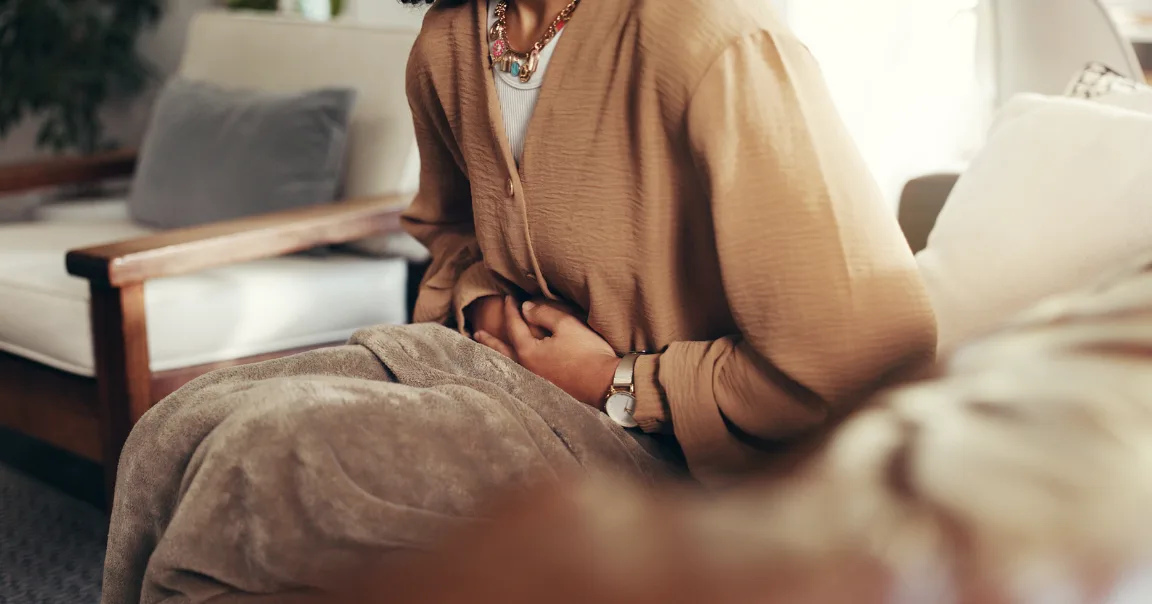
- Painful Periods (Dysmenorrhoea): Menstrual cramping severe enough to cause missed work, school, or daily activities. Dysmenorrhoea that worsens markedly over time can indicate underlying structural conditions such as uterine fibroids or endometriosis.
- Absent Periods (Amenorrhoea): Missing periods for three or more consecutive months in non-pregnant women (secondary amenorrhoea). This warrants medical evaluation to check for hormonal disruptions, excessive exercise, severe calorie restriction, or elevated stress levels.
Common Causes of Menstrual Disorders in Singapore
Menstrual disruptions usually stem from a combination of physiological, medical, and environmental factors. In Singapore, specific urban lifestyle dynamics frequently contribute to cycle symptoms:
Stress and Work Culture
Chronic psychological stress triggers dysfunction along the hypothalamic-pituitary-ovarian (HPO) axis, suppressing gonadotropin-releasing hormone (GnRH) and disrupting normal ovulation. The demanding pace of Singapore’s working culture makes stress-induced ovulatory dysfunction a frequent underlying factor in irregular or delayed cycles.
Prolonged Air-Conditioning and Cold Exposure
From a TCM perspective, spending long hours in heavily air-conditioned office environments combined with consuming cold drinks can encourage Cold stagnation in the lower abdomen. Cold causes contraction and slows microcirculation in the pelvic cavity, which many women notice as heightened cramping or darker, clotty menstrual flow.
Underlying Hormonal and Structural Conditions
Underlying medical conditions must be ruled out by a physician. These include Polyendocrine Metabolic Ovarian Syndrome (PMOS, formerly known as PCOS), thyroid dysfunction, endometriosis, uterine fibroids, and early perimenopausal hormonal shifts. Addressing these conditions directly is essential rather than managing symptoms in isolation.
When Should I See a Doctor About Irregular Periods?
You should schedule a medical evaluation if your cycle is shorter than 21 days or longer than 35 days, if you miss three consecutive periods, or if bleeding is heavy enough to saturate protection hourly. Severe pain that does not respond to over-the-counter pain relief, or any sudden, unexpected change in a previously stable cycle, should also be assessed by a doctor.
The TCM Perspective on Menstrual Imbalances
Traditional Chinese Medicine does not view menstrual disorders solely as isolated organ conditions, but as reflections of systemic balance. Treatment is tailored according to specific diagnostic patterns:
- Qi and Blood Stagnation: Characterised by sharp menstrual pain, abdominal distension, and dark blood with clots. Stagnation occurs when energy and blood flow are restricted rather than moving smoothly.
- Spleen and Kidney Deficiency: Frequently presents as pale or light flow, lengthened cycles, absent periods, and persistent fatigue. This pattern reflects a lack of foundational vitality and nourishment required to sustain a regular cycle.
TCM physicians use pulse and tongue analysis alongside a thorough history of your cycle, sleep, and lifestyle to identify your specific pattern before prescribing treatment.
How TCM Supports Menstrual Health
Customised Traditional Chinese Medicine approaches menstrual regulation through multiple complementary modalities:
- Acupuncture: Systematic research demonstrates that acupuncture may assist in reducing pain intensity in primary dysmenorrhoea by supporting local blood circulation and modulating pain signals.
- Customised Traditional Chinese Medicine Formulations: Tailored herbal prescriptions nourish Blood, strengthen Spleen and Kidney function, and clear Cold or Heat stagnation based on your individual pattern.
- Womb Care Therapy: Gentle, heat-based therapies help warm the meridians, improve circulation to the pelvic region, and ease cold-type menstrual cramping.
Why Choose Wo.men Matters
Navigating menstrual disruptions requires a balanced approach that respects both Western medical diagnosis and holistic well-being. Identifying the root causes behind your symptoms ensures you receive care that is safe, effective, and tailored to your body.
At Wo.men Matters, we focus on providing customised Traditional Chinese Medicine care alongside your existing gynaecological treatments. Whether you are managing painful cramps, irregular cycles, or conditions like PMOS, our practitioners create individualised plans combining acupuncture, herbal support, and womb care therapy to gently support your reproductive wellness. Connect with our team to discover how an integrative approach can help bring balance back to your cycle, step by step. Your matter, our matter.