
Published on: 17 August 2026
Starting IVF can be a deeply personal and physically demanding experience. To manage expectations, many couples look first at the data. According to the Ministry of Health (MOH) Singapore, the average IVF success rate Singapore couples experience varies by age. While Western medicine manages the clinical interventions, Traditional Chinese Medicine (TCM) focuses on a holistic approach to supporting the body.
Key Takeaways:
- The average live birth rate in Singapore ranges from 26.6% for women under 30 to 6.7% for those aged 40 and above.
- Male-factor fertility contributes to nearly 50% of conception challenges. Improving sperm motility and morphology is equally vital for a successful transfer.
- To effectively support egg and sperm maturation cycles, a tailored TCM pre-conception prep program should ideally begin 3 to 6 months before starting hormonal stimulation.
- Integrated TCM fertility support is designed to work safely alongside Western IVF protocols, focusing on pelvic blood flow, endometrial receptivity, and stress management.
What is the Average IVF Success Rate in Singapore? (By Age Group)
According to Ministry of Health (MOH) statistics, the average IVF success rate in Singapore is closely tied to maternal age. Live birth outcomes vary from 24% for women under 30 down to 6.4% for those aged 40 and above. While clinical pregnancy rates measure initial positive outcomes, long-term success hinges on these official live birth statistics published by the MOH across public and private centres.
Official MOH ART Success Rates vs. Clinic Pregnancy Rates
There is an important distinction between a positive clinical pregnancy test and a successful live birth. Data released by the Ministry of Health outlines that cumulative live birth success rates per cycle drop progressively across age bands.
- Women under 30 years old: ~26.6% live birth rate
- Women aged 30 to 34 years old: ~24.6% live birth rate
- Women aged 35 to 39 years old: ~17.1% live birth rate
- Women aged 40 years old and above: ~6.7% live birth rate
Public vs. Private Fertility Clinics in Singapore
Couples often wonder whether to choose public hospitals or to opt for a private fertility centre. While the overall IVF success rate medical teams achieve remains highly comparable across both sectors, the day-to-day experience differs. The primary deciding factors are your budget, waiting times, and personal care preferences.
Here is how the two pathways compare:
| Feature | Public Hospitals | Private Fertility Centres |
|---|---|---|
| Cost & Subsidies | Government co-funding available for eligible citizens, making it more cost-effective. | Higher out-of-pocket costs; government co-funding does not apply. |
| Wait Times | Longer waiting lists for initial appointments and procedures. | Faster appointment turnarounds and flexible scheduling. |
| Care Model | Care is managed by a rotating team of specialists on duty. | Consistent care with a single designated specialist throughout your entire cycle. |
The Biological Reality: Is 37 or 40 Too Late for IVF?
No, conceiving at 37 or 40 remains entirely possible, though the odds shift. As women approach these milestones, questions like “Is 37 too late for IVF?” or “Is 40 too old to have a baby via IVF?” become highly pressing. Ovarian reserve, which represents both the quantity and quality of remaining eggs, experiences an accelerated decline after age 35. While conceiving at 37 or 40 remains entirely possible, the statistical probability of chromosomal abnormalities rises. Focusing heavily on egg quality rather than pure egg quantity becomes the vital clinical target during these later reproductive stages.
Why Does IVF Sometimes Fail? Understanding the Root Causes
IVF failures are rarely caused by a single isolated event; they are typically the result of intricate biological mismatches between the embryo and the uterine environment. Identifying these underlying variables helps clinicians refine future treatment protocols.
Why IVF is Rarely 100% Successful on the First Attempt
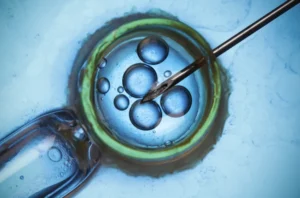
A first-cycle negative outcome is incredibly common during fertility treatments. Successful embryo implantation relies on an exact biological alignment between embryo quality and uterine readiness. The primary biological hurdles affecting IVF success include blastocyst quality and underlying chromosomal anomalies that can prevent an embryo from developing normally.
Furthermore, the endometrial receptivity is how ready the uterine lining is to accept an embryo. If the uterine lining lacks optimal thickness, cellular readiness, or adequate blood flow, the embryo cannot attach successfully, even if it is genetically healthy.
The Overlooked Factor: Boosting Sperm Quality for Overall Success
Fertility discussions often focus primarily on the female partner, yet male factors contribute to nearly half of all conception challenges. Sperm motility (how well sperm move) and morphology (the structural shape of the sperm) play an equal role in achieving high fertilisation rates and creating healthy blastocysts. Poor sperm quality can lead to weak embryo development, even if the retrieved eggs are highly viable. Focusing on lifestyle improvements and systemic support to improve sperm quality in Singapore represents an essential step in balancing the overall success equation.
How Integrating TCM Optimises Your IVF Success Rate
Integrating Traditional Chinese Medicine with Western reproductive protocols creates a comprehensive pathway focused on full-body wellness. By adopting an integrative methodology, couples can systematically prepare the internal environment across distinct medical phases.
Phase 1: Pre-Cycle Preparation (3 to 6 Months Prior)
The follicular development cycle takes approximately 90 to 120 days for an egg to mature before ovulation, while spermatogenesis requires around 74 days. Entering a pre-cycle preparation phase 3 to 6 months before stimulation begins is highly advantageous. TCM focuses on balancing your internal constitution, clearing internal dampness or heat, and encouraging healthy pelvic blood circulation. This foundational work aims to support the natural maturation cycles of both eggs and sperm, optimising the biological material before corporate medical intervention starts.
Phase 2: During Ovarian Stimulation & Down-Regulation
When the Western IVF cycle initiates, high doses of hormones are administered to stimulate the ovaries to produce multiple follicles. This sudden chemical shift can sometimes trigger uncomfortable physical side effects, including severe bloating, pelvic discomfort, hot flashes, and elevated emotional anxiety. During this active medical phase, targeted acupuncture is administered to improve blood flow and Qi circulation in your pelvic area, while also easing emotional tension and harmonising the stomach to reduce physical distension and nausea caused by injections.
Phase 3: Around Embryo Transfer (Uterine Receptivity)
The days surrounding the embryo transfer are critical for successful implantation. Utilising targeted acupuncture sessions immediately before and after the transfer procedure is a well-documented practice. Medical literature, including the widely cited Paulus Study (2002), indicates that acupuncture performed around the time of embryo transfer can support a welcoming endometrial environment. From a physiological perspective, this complementary care helps modulate the nervous system, manages systemic stress hormones, and encourages local blood flow to the uterine arteries to support lining receptivity.
Collaborative Fertility Care at Wo.men Matters
At Wo.men Matters, our practice is built on supporting your primary fertility treatments safely and transparently. We believe that the path to parenthood thrives when Eastern and Western medical perspectives work in harmony.
Personalised Traditional Chinese Medicine Tailored to Your Cycle
Every individual possesses a unique energetic and physical constitution. Our certified physicians prescribe targeted TCM formulations that are meticulously tailored to your specific body type and current preparation phase. These premium Traditional Chinese Medicine formulations focus on nourishing the kidneys, moving stagnant blood, and strengthening the spleen to support foundational vitality.
Targeted Fertility Acupuncture for Stress and Cortisol Management
The emotional anxiety associated with fertility tracking can elevate cortisol levels, which may disrupt normal reproductive functions. Our IVF acupuncture sessions focus on regulating the autonomic nervous system, triggering the release of endorphins, and reducing systemic stress. This provides a calm, grounded mental space during this intense period of time.
Safe, Complementary Practice Alongside Your IVF Specialist
Safety remains our absolute priority throughout your care. Our treatments are specifically designed to complement your Western protocols without causing any medical interference. We carefully select Traditional Chinese Medicine and schedule acupuncture sessions to ensure there are no contraindications with the down-regulation or stimulation drugs prescribed by your Western OBGYN.
Frequently Asked Questions (FAQs)
Can I do acupuncture and take Traditional Chinese Medicine while actively undergoing an IVF cycle?
Yes, acupuncture is highly encouraged as a safe, complementary therapy throughout your active IVF cycle to support uterine blood flow and manage stress.
However, we usually stop Traditional Chinese Medicine during IVF stimulation to avoid any potential contraindication.
How early should I start TCM treatments before my scheduled IVF cycle in Singapore?
Ideally, you should begin your targeted TCM preparation at least 3 to 4 months before your scheduled IVF cycle begins. This timeline is directly dictated by human reproductive biology:
- The Egg Maturation Cycle: A resting follicle takes approximately 90 to 120 days to fully develop before ovulation.
- The Sperm Development Cycle: Spermatogenesis requires roughly 74 days to produce new, mature sperm.Starting three months early ensures that the Traditional Chinese Medicine and TCM treatments can optimise the blood flow and energetic balance surrounding the exact eggs and sperm that will be used for your laboratory fertilisation
Can TCM help with natural conception if a previous IVF cycle has failed?
Yes, many couples successfully conceive naturally following an unsuccessful IVF cycle by using a restorative course of TCM.
A failed Western cycle often leaves the body physically exhausted and hormonally depleted. TCM focuses heavily on post-cycle recovery by clearing residual stagnation, nourishing systemic blood deficiency, and re-establishing a regular menstrual rhythm. By restoring optimal pelvic circulation and resting the nervous system, the internal reproductive environment might become more receptive to natural conception attempts.
Why Choose Wo.men Matters for TCM
Managing your fertility requires a dedicated team that values safety, clinical transparency, and genuine empathy. At Wo.men Matters, our practitioners are experienced in balancing Traditional Chinese Medicine with Western fertility protocols. We do not make unrealistic promises; instead, we focus on highly customised, evidence-based care to optimise your physical health and emotional resilience. By working alongside your primary medical specialists, we ensure your body receives coordinated, well-rounded support at every stage of your conception journey.
If you are preparing for an IVF cycle or want to see how complementary care can support your wellness, we invite you to take a proactive step. Book a fertility consultation with us today to receive a personalised wellness roadmap tailored to your body’s needs.