
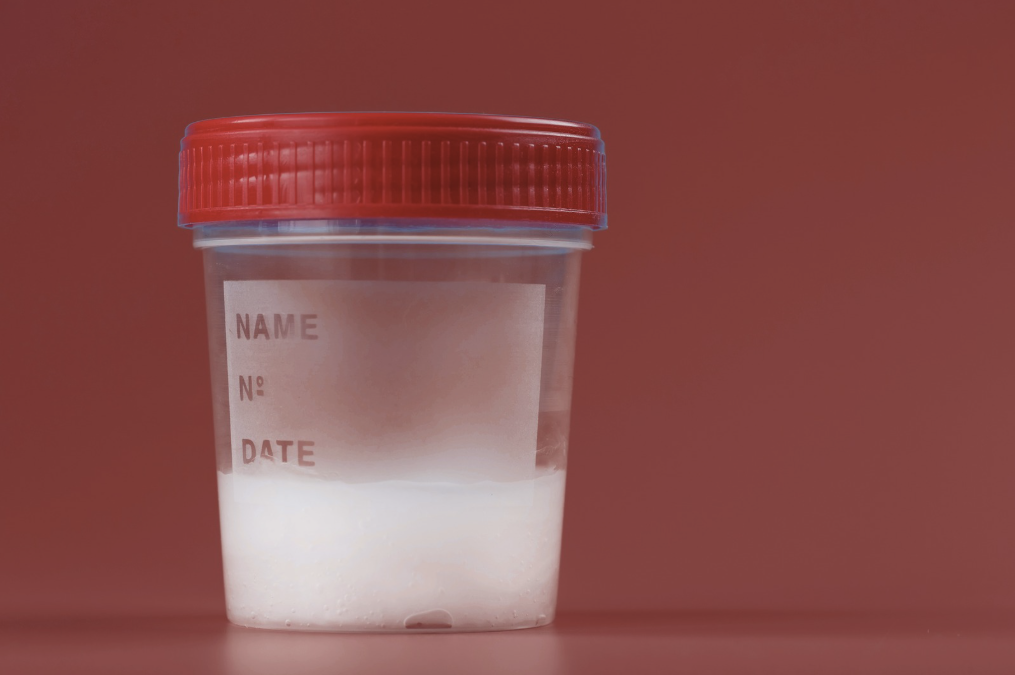
Fertility is a two-way street, but men’s health often gets ignored. If you’re looking to improve your sperm quality, Traditional Chinese Medicine (TCM) is a practical way to do it. Instead of just looking at the symptoms, TCM focuses on fixing internal imbalances through acupuncture, herbs, and lifestyle changes. By nourishing the body’s internal organs, you can improve sperm count and motility while boosting your overall energy.
What is Semen? Understanding the Basics of Male Reproductive Health
Before addressing fertility, you need to know how your body works and how long it takes to make healthy sperm. This helps manage expectations when starting any natural wellness programme.
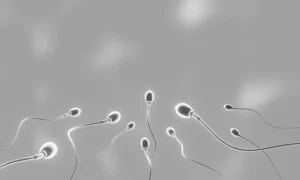
Composition and Function: More Than Just Protein
Semen is a complex biological fluid produced by the male reproductive glands. It contains sperm cells alongside secretions from the seminal vesicles, prostate, and bulbourethral glands. These secretions include:
- Fructose: an energy source for sperm motility
- Enzymes: such as prostate-specific antigen (PSA), which liquefy semen after ejaculation
- Zinc, citric acid, and prostaglandins: which support sperm function and cervical penetration
Contrary to popular belief, semen is not 100% protein. Protein makes up only a small fraction of its composition. The majority is water, with sugars and minerals forming the bulk.
What Defines a Healthy Semen?
Semen volume, consistency, and colour are all indicators of reproductive health.
| Parameter | Healthy Range |
|---|---|
| Volume | 1.5 to 5 ml per ejaculate |
| Colour | Whitish-grey to slightly yellow |
| Consistency | Thick initially, liquefying within 15 to 30 minutes |
The Timeline of Spermatogenesis
Sperm production, or spermatogenesis, takes approximately 74 days. This means any lifestyle changes you make today will only be reflected in semen quality roughly two to three months later. The body continuously produces new sperm, but replenishment after ejaculation takes around seven days for optimal concentration to be restored.
The Western Perspective: Parameters of Sperm Health
Western medicine evaluates male fertility through a standardised semen analysis. Understanding these benchmarks helps you know what you are working towards.
Measuring Success: Count, Motility, and Morphology
The World Health Organisation defines the following reference values for fertile semen:
- Sperm concentration: at least 16 million per ml
- Total motility: at least 42%
- Progressive motility: at least 30%
- Normal morphology: at least 4% (Kruger strict criteria)
All three parameters work together. A high sperm count with poor motility, for instance, still reduces the likelihood of natural conception.
Common Factors Affecting Male Fertility
Multiple factors influence semen quality:
- Chronic oxidative stress from smoking, alcohol, and poor diet
- Heat exposure (laptops, saunas, tight underwear)
- Environmental toxins and endocrine-disrupting chemicals
- Age: sperm DNA fragmentation increases progressively after 40
- Chronic stress, poor sleep, and sedentary habits
When to Seek Medical Advice
If a couple under 35 has been trying to conceive for 12 months without success, or six months if the female partner is over 35, a semen analysis is recommended. Do not wait. Early assessment allows time for intervention on both sides.
The TCM Perspective: Kidney Essence and Vitality (Jing)
TCM views male reproductive health through the lens of organ systems and vital substances. Semen quality is intimately tied to the concept of Jing, or Essence, stored in the Kidneys.
The Role of Kidney Essence (Jing) in Reproduction
In TCM, the kidney does not refer solely to the organ but to a broader system governing growth, development, sexual function, and reproduction. Kidney Jing is the foundational substance from which sperm is formed. When Jing is depleted, sperm production and quality suffer.
Common TCM Pathologies for Low Sperm Quality
- Kidney Deficiency is the most common pattern. Kidney Yang deficiency presents with low count and sluggish motility, often accompanied by cold limbs and fatigue. Kidney Yin deficiency may manifest as poor morphology with signs of internal heat, such as night sweats.
- Damp-Heat in the Lower Jiao refers to inflammation or infection in the pelvic region. This pattern is associated with abnormal morphology and may coincide with conditions such as varicocele or prostatitis.
- Liver Qi Stagnation arises from chronic emotional stress. The Liver governs the smooth flow of Qi and blood; when stagnant, blood flow to the reproductive organs is impaired, directly affecting sperm production.
The Importance of Balance and Moderation
From a TCM perspective, excessive ejaculation depletes Kidney Jing. A moderate frequency of every two to three days during fertile windows is considered optimal. This aligns loosely with Western guidance, which suggests abstaining for two to seven days before a semen analysis to allow sperm concentration to peak.
TCM Treatments at Wo.men Matters for Male Fertility
Wo.men Matters offers personalised TCM programmes to support male reproductive wellbeing. All approaches are tailored to the individual’s constitution and pattern diagnosis.
Fertility Acupuncture: Regulating the Body’s Energy
Acupuncture works by stimulating specific meridian points to regulate Qi flow and improve microcirculation. For male fertility and erectile dysfunction (ED), this includes points along the Kidney, Liver, and Governing Vessel meridians. Regular sessions may support blood flow to the reproductive organs to enhance fertility. Additionally, acupuncture helps manage stress and promotes the release of nitric oxide, which naturally relaxes and opens up blood vessels to help achieve and maintain erections.
Tailored Herbal Therapy for Sperm Health
Herbal formulas at Wo.men Matters are prescribed based on individual TCM pattern diagnosis. A formula contains wolfberry, dodder seed, raspberry, schisandra, and plantain seed. It is used in TCM to support general well-being and reproductive vitality.
Frequently Asked Questions About Semen and Male Fertility
How long does it take to see positive changes in semen quality?
Because a full cycle of sperm production and maturation takes approximately 75 days, it is recommended to maintain consistent TCM treatments, dietary improvements, and lifestyle adjustments for at least 2 to 3 months to observe measurable changes in a semen analysis.
Is it normal for a semen to look thin or watery?
While consistency can fluctuate, persistently watery semen often indicates a lower sperm count or a temporary depletion of the body’s resources. In TCM, this is frequently seen as a sign of Kidney Essence (Jing) Deficiency, where the body lacks the vital energy to produce a thick, concentrated “load.”
Does ejaculation frequency affect sperm quality?
Yes, to a degree. Abstaining for one to two days raises sperm concentration. However, abstaining beyond seven days may reduce motility as older sperm accumulate. During active conception efforts, every two to three days is generally optimal.
At what age do boys become fertile and when does it decline?
Boys begin producing sperm at puberty, typically between ages 11 and 14. Fertility does not have a hard cut-off in men, but sperm DNA fragmentation, reduced motility, and lower volume all increase progressively from the mid-40s onwards.
Can lifestyle changes really improve “load size”?
Volume and sperm concentration are distinct. Lifestyle changes such as hydration, zinc intake, and reduced alcohol consumption may modestly support volume. However, total sperm count depends more on testicular health and hormone levels. Consistent lifestyle improvements over a full spermatogenesis cycle (74 days) are needed before measurable changes appear.
Why Choose Wo.men Matters for TCM
Wo.men Matters is a Singapore-based TCM clinic dedicated to reproductive health for both men and women. Their practitioners are fully registered with the Traditional Chinese Medicine Practitioners Board (TCMPB) and use an integrated approach that combines classical diagnosis with contemporary understanding of reproductive medicine.
Whether you are just starting your fertility journey or want complementary support alongside Western treatment, Wo.men Matters provides a confidential, respectful environment tailored to your needs.
Ready to take the first step? Book a consultation with Wo.men Matters today.