

Experiencing sudden abdominal pain in pregnancy can be unsettling and leaves you wondering where to turn. While many cramps are a natural part of your body stretching to accommodate your baby, it is essential to always get checked by your Western doctor first to rule out any underlying medical conditions. Once your OB-GYN evaluates your health and confirms your pregnancy is stable, you can consider Traditional Chinese Medicine (TCM). It offers a supportive, natural way to manage minor discomforts and ease your body through your pregnancy journey.
Medical Disclaimer: Severe, sudden, or persistent abdominal pain requires immediate emergency medical care. If your pain is accompanied by vaginal bleeding, fever, chills, fluid leakage, or a noticeable decrease in foetal movement, please seek urgent medical assessment from your gynaecologist or proceed directly to the nearest hospital Accident & Emergency (A&E) department in Singapore.
What is Abdominal Pain in Pregnancy? A Trimester Guide
Abdominal pain in pregnancy manifests differently depending on your stage of gestation. Understanding the common physiological changes and warning signs across each trimester helps you identify when to rest and when to seek medical support.
| Trimester | Normal Physiological Causes | Critical Warning Signs |
|---|---|---|
| First Trimester (Weeks 1-12) | Implantation cramping, progesterone bloating | Ectopic pregnancy, Threatened miscarriage |
| Second Trimester (Weeks 13-26) | Round ligament stretching, mild digestive wind | Urinary Tract Infections, Acute appendicitis |
| Third Trimester (Weeks 27-40) | Braxton Hicks contractions, pelvic pressure | Placental abruption, Pre-eclampsia under ribs |
First Trimester: Early Changes and Immediate Risks
During the first twelve weeks, your body undergoes a rapid hormonal and structural shift.
- Normal Adjustments: You may feel mild, period like uterine cramping as the embryo implants and the uterus begins its gradual expansion. Elevated progesterone levels also slow your digestive tract, frequently causing trapped wind, abdominal bloating, and early pregnancy constipation.
- Warning Signs: Sharp, severe, or one sided pain in the lower belly demands urgent investigation. This can indicate an ectopic pregnancy, where the embryo implants outside the uterus, which is often accompanied by light headedness or shoulder tip pain. Persistent cramping combined with vaginal bleeding can also be a warning sign of an impending miscarriage.
Second Trimester: Structural Pains and Critical Infections
The second trimester is often the most comfortable phase, but rapid physical growth introduces new structural challenges.
- Normal Adjustments: As your uterus grows heavier, the round ligaments supporting it must stretch. This causes round ligament pain, which feels like sharp, sudden, shooting sensations in the lower abdomen or groin, typically triggered by coughing, sneezing, or moving too quickly.
- Warning Signs (Non-Obstetric): This period carries an increased risk of Urinary Tract Infections (UTIs), which can cause lower abdominal pressure, cramping, and painful or frequent urination. If left unmanaged, a UTI can trigger premature labour. Additionally, acute appendicitis remains a critical non-obstetric emergency. It is notoriously difficult to diagnose during pregnancy because your expanding uterus pushes the appendix higher up into the abdomen, altering the typical location of the pain.
Third Trimester: Practice Contractions and Late Complications
As you approach your due date, your body begins preparing actively for the birth process.
- Normal Adjustments: You will likely experience Braxton Hicks contractions. These are practice contractions that cause your abdomen to feel temporarily hard and tight. They are generally irregular, do not increase in intensity, and typically subside when you rest or change your position.
- Warning Signs: Constant, severe, and unyielding abdominal pain during these weeks can point to a life threatening emergency such as placental abruption, where the placenta separates prematurely from the uterine wall. This is typically accompanied by a persistently rigid uterus and dark vaginal bleeding. Upper right abdominal pain, located just under the ribs, is another critical warning sign linked to pre-eclampsia, a serious condition involving high blood pressure that requires immediate hospitalisation.
When to Seek Immediate Medical Attention
While many instances of abdominal pain in pregnancy resolve safely with rest and hydration, you must go to an emergency department if your pain is accompanied by any of the following symptoms:
- Vaginal bleeding or unusual fluid discharge
- Fever, chills, nausea, or persistent vomiting
- Pain or a burning sensation during urination
- A noticeable or sudden decrease in your baby’s movements
- Rhythmic, painful contractions or intense pelvic pressure before your full term
TCM’s Perspective on Abdominal Pain in Pregnancy in Singapore
Traditional Chinese Medicine (TCM) views abdominal pain in pregnancy as a sign that your body’s internal balance is slightly off. By looking at how your whole body works together, a registered TCM physician can help identify why things have shifted and work to get you back on track.
The Importance of Qi and Blood Circulation
In Traditional Chinese Medicine (TCM) theory, a comfortable pregnancy relies on a healthy abundance of Qi (vital energy) and Blood. Your body naturally channels these vital resources toward the uterus to nourish your growing baby. If your circulation becomes sluggish or encounters a blockage, discomfort can occur. TCM describes this through a classic principle, which means that where there is a smooth and sufficient flow of energy, there is no pain.
Root Causes: Deficiency and Stagnation
A licensed physician evaluates your specific presentation to determine which pattern of disharmony is causing your discomfort:
- Qi and Blood Deficiency: If your body lacks adequate reserves to nourish both your own organs and your growing baby, you may experience a dull, dragging ache in the lower abdomen. This is frequently accompanied by fatigue, mild dizziness, or a pale complexion.
- Kidney Weakness: In Chinese medicine, the Kidney system governs reproduction and is responsible for securely anchoring the foetus. A deficiency in Kidney Qi often manifests as a weak, sore sensation in your lower back paired with lower abdominal cramping.
- Qi Stagnation: Emotional stress, anxiety, or constitutional tendencies can cause your liver energy to stagnate. This leads to a distending, bloating, and fluctuating type of abdominal pain that frequently links to slow gastric emptying and severe pregnancy constipation.
Constitutional Balance Matters for Foetal Stability
Keeping your body calm, balanced, and well-nourished is essential for your comfort and your baby’s growth. When your internal systems work in harmony, your body relaxes, muscle tension eases, and blood flows smoothly to the placenta. Addressing minor issues like poor digestion or internal heat early on helps prevent constant discomfort, creating a stable, nurturing environment for your baby to grow.
TCM Treatments for Abdominal Pain in Pregnancy in Singapore
We approach prenatal wellness with gentle, thoughtful care. Our supportive therapies are non-invasive and carefully tailored to focus on maternal well-being, keeping your comfort in mind throughout your pregnancy.
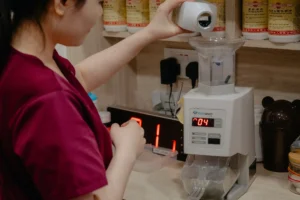
Personalised Traditional Chinese Medicine Formulas
When preparing herbal formulas for expectant mothers, our TCM physicians choose only mild, nourishing, and time-tested ingredients. These herbs help build blood reserves, soothe digestion, and stabilise energy, a practice traditionally known as An Tai (calming the foetus). We strictly avoid any potent herbs that could stimulate uterine activity. Please avoid self-medicating with over-the-counter or online products, as only a professional can customise a formula that is safe and appropriate for your stage of pregnancy.
Acupuncture for Discomfort and Digestion
Acupuncture is a gentle, drug-free option to help ease pelvic tension, reduce stress, and get a sluggish digestive system moving again. For prenatal sessions, our registered TCM physicians use a cautious and protective approach. We avoid your lower abdominal area and never touch specific points on the body known to stimulate contractions. Instead, we use gentle stimulation on your limbs or upper back to naturally relax your nervous system and support healthy blood flow.
Dietary Adjustments and Lifestyle Guidance
True recovery and comfort continue at home through your daily habits. Our TCM physicians provide tailored nutritional advice based on your specific body constitution:
- Focus on consuming warming, easily digestible meals such as slow-cooked soups, stews, and congees to support your Spleen and aid nutrient absorption.
- Incorporate gentle carminative ingredients like fresh ginger to warm your stomach and help disperse trapped abdominal wind.
- Avoid raw, icy-cold foods and chilled beverages, as they introduce external “Cold” into your digestive tract, which can worsen abdominal cramping, bloating, and stagnation.
Integrating Western Medicine and TCM for Maternal Health
Managing your health during pregnancy doesn’t mean you have to choose between one medical system or the other. By combining the precise diagnosis of Western medicine with the holistic support of TCM, you get a beautifully balanced care plan that looks after your total well-being.
Prioritising Your Baby’s Safety: Why a Gynaecologist’s Assessment Comes First
Your peace of mind is the priority when you feel any abdominal discomfort. Getting an initial checkup or ultrasound from your Western obstetrician ensures your pregnancy is stable and free from immediate risk. Establishing this clear baseline is exactly why Wo.men Matters requires a confirmed, stable pregnancy before we begin any prenatal care. Knowing your baby is safe allows you to truly relax and get the most out of TCM supportive, complementary therapies.
Easing Pregnancy Discomfort Safely: What You Gain from a Combined Approach
An integrated approach provides exceptional support for your daily quality of life. While your gynaecologist focuses on monitoring your foetal growth, blood pressure, and structural milestones, TCM steps in to manage your day-to-day physical comfort. Gentle holistic care works naturally to alleviate the chronic backaches, digestive spasms, and emotional anxiety that often accompany physical changes, helping you navigate your trimesters with greater ease and vitality.
Frequently Asked Questions about Abdominal Pain in Pregnancy in TCM
Is it Normal To Have Abdominal Pain While Pregnant?
Yes, experiencing mild, intermittent abdominal discomfort is relatively common. In most cases, it is caused by your body adapting to your growing baby, such as your ligaments stretching or your digestion slowing down. However, any pain that is severe, constant, or paired with concerning symptoms must be evaluated by a doctor.
Can Abdominal Pain Cause Miscarriage?
Abdominal pain itself does not cause a miscarriage, but severe, rhythmic cramping in early pregnancy can be a symptom of one. If you experience intense lower abdominal pain alongside vaginal bleeding or a loss of pregnancy symptoms, seek immediate emergency medical care.
Where is Pregnancy Pain Usually Located?
Normal structural pain, like round ligament stretching, is typically located in the lower abdomen, groin, or on either side of the belly. Digestive pain from bloating or wind can move around the stomach area. Pain located strictly in the upper right abdomen under your ribs or severe pain localised to one side requires immediate medical attention.
Is Acupuncture Safe During the First Trimester?
Yes, acupuncture is safe when administered by a licensed TCM physician who are well-versed in maternal health. During your first trimester, the treatment is highly modified to use only a minimal number of gentle, regulatory points on your limbs to help mitigate morning sickness, fatigue, and stress while avoiding the abdomen entirely.
Can TCM Herbs Prevent Pregnancy Complications?
TCM herbs cannot guarantee the prevention of acute medical or obstetric complications. Instead, their purpose is to safely optimise your constitutional health, correct underlying imbalances like Qi or Blood deficiencies, and support your body’s natural ability to maintain a stable, well-nourished environment for your baby.
Why Choose Wo.men Matters for TCM
Our clinic focuses on women’s health, prenatal care, and postpartum recovery, ensuring that your unique maternal needs are fully understood. We combine deep traditional wisdom with a modern understanding of maternal physiology, ensuring our treatments align seamlessly with your Western obstetric care. We pride ourselves on offering an incredibly gentle, conservative, and highly personalised environment where your safety always comes first.
If you are looking for gentle, natural ways to manage your physical discomforts and support your well-being, we welcome you to book a personal consultation with us.