

Published on: 17 August 2026
Are you picking up the pieces after an unsuccessful embryo transfer? If you’re searching for answers about IVF failure that couples face, you’re not alone; it’s one of the most common and least talked-about parts of the fertility journey. An unsuccessful cycle often stems from embryo quality, uterine receptivity, or lifestyle imbalances. By addressing these root causes through a combination of medical reviews and supportive therapies like TCM, you can prepare your body to receive and nourish your next embryo more effectively.
Key Takeaways
- Unsuccessful cycles often stem from maternal age, embryo quality issues, uterine receptivity, or overlooked male-factor issues like sperm DNA fragmentation.
- This preparation window aligns with the 90-day biological cycle of egg maturation, allowing your body to clear synthetic hormones and build a healthier foundation.
- Combining medical reviews with supportive TCM therapies, including acupuncture, personalised TCM formulas, and Ba Liao therapy, helps warm the womb, promote blood circulation, and reduce stress before your next transfer.
What Are the Common Reasons for IVF Failure in Singapore?
Unsuccessful cycles are rarely caused by a single issue; they usually come down to a combination of maternal age, embryo quality, uterine conditions, and male-factor health. Here’s a breakdown of each to help you identify potential areas of focus for your next attempt.
How Female Age Impacts IVF Success Rates
Maternal age remains the primary biological determinant of success in assisted reproduction. As women age, the quantity and quality of the remaining egg reserve naturally decline. This biological shift makes it progressively harder to cultivate viable, healthy embryos during an IVF cycle. For women over 40 in Singapore, chromosomal challenges in mature eggs become more prevalent. This often leads to higher rates of implantation failure or early loss. Understanding this natural decline helps frame why subsequent cycles require pre-conception preparation to maximise every available egg’s potential.
The Role of Embryo Quality and Genetic Factors
An embryo must possess the correct chromosomal structure to successfully implant and grow into a healthy pregnancy. Even when an embryo appears structurally perfect under a high-magnification microscope, underlying genetic abnormalities may still exist. These chromosomal issues often prevent the embryo from properly attaching to the uterine wall, leading to early cycle failure. This is a primary driver of unsuccessful IVF cycles, occurring even when the maternal environment is completely healthy. Advanced screening methods can help identify these issues, but improving basic cellular health beforehand remains key.
Lifestyle Choices and Underlying Medical Conditions
Underlying medical issues, such as endometriosis or pelvic inflammatory conditions, can alter the receptive environment of the uterine lining. Poor pelvic blood circulation can also prevent the endometrium from developing adequate thickness to support an embryo. Routine lifestyle factors, including high levels of physical fatigue or chronic stress, can affect the body’s vascular flow. Addressing these conditions is a crucial step toward optimising your pelvic environment. For more insights on general reproductive health challenges, you may explore our resource on infertility symptoms and causes.
The Overlooked Contributor: Sperm Quality & Male-Factor Infertility
Conception is a collaborative process requiring health from both partners. While clinical focus often centres on the maternal body, male-factor issues contribute to nearly half of all conception challenges. High levels of sperm DNA fragmentation (damage to the genetic material inside sperm cells, which standard semen analysis often misses) can compromise embryo development. This often causes the embryo to arrest during its early developmental phases, leading to a failed transfer. Supporting paternal health before the cycle is just as vital as maternal conditioning to ensure robust embryo formation and a higher chance of a successful pregnancy.
Unexplained IVF Failure: Why It Is a Unique Concern
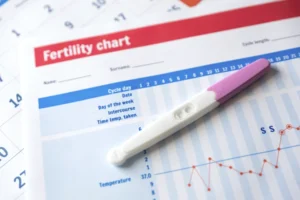
Unexplained fertility outcomes can be deeply confusing; here we look at the limitations of basic diagnostic tests and why a broader, holistic view helps.
Understanding the Limitations of Standard Fertility Testing
Standard fertility workups are designed to evaluate structural health and check basic hormone baselines at specific intervals. However, these diagnostic tests might overlook highly subtle micro-level challenges. Complex biological factors like localised pelvic inflammation, minor endometrial receptivity timing shifts, or micro-circulation imbalances in the uterine wall often go entirely undetected during routine clinical scans. This leaves many couples without clear answers as to why an otherwise promising cycle did not result in a pregnancy, causing deep confusion and emotional strain.
The Psychological Toll of Unexplained Fertility Challenges
Facing unexplained cycle outcomes places a massive emotional burden on hopeful parents. Navigating constant worry can trigger the sympathetic nervous system, causing the body to produce elevated levels of stress hormones. This continuous fight-or-flight response can direct blood flow away from reproductive organs toward vital survival organs. This physical response may lead to a cold, less receptive uterine lining. Addressing this nervous system tension is a foundational step in restoring natural physical equilibrium and preparing for your next attempt.
Why an Integrative Approach Offers New Perspectives
An integrative care approach combines modern diagnostic technology with traditional holistic health philosophies. While Western medical science focuses on microscopic embryo selection and anatomical measurements, TCM looks at systemic harmony. From a traditional viewpoint, successful conception depends on the harmonious flow of Qi and blood throughout the body. By restoring balance to these natural pathways, TCM aims to resolve subtle, subclinical imbalances that standard Western blood tests and scans may miss, offering a supportive path forward.
What to Do After an Unsuccessful IVF Cycle: Clinical Guidance and Next Steps
Learn about the clinical considerations following an unsuccessful IVF cycle, including necessary recovery periods, medical consultations, and preparing physiologically for future cycles.
Allowing Your Body and Mind Time to Heal
Your physical body requires a dedicated period of rest to process and eliminate synthetic hormones from your system. Pausing between cycles is necessary to allow your natural endocrine cycles to stabilise. Furthermore, giving yourself the space to process the emotional grief of a failed transfer is essential. Restoring your emotional wellness is not a delay; it is a necessary physical and mental reset that ensures you can approach your next treatment cycle with renewed strength and resilience.
Reviewing the Cycle with Your Fertility Specialist
Arrange a comprehensive post-cycle review with your reproductive specialist to evaluate every phase of your treatment. You can discuss whether modifying your medication protocol or trying advanced diagnostic options could help. Techniques such as Pre-implantation Genetic Testing (PGT-A) for embryos or an Endometrial Receptivity Analysis (ERA) for the uterine lining can provide valuable information. This collaborative review ensures your medical team can adjust their approach to improve the probability of success in your next transfer.
Why a 3-Month Window Is Critical for Pre-Conception Prep
The biological journey of an egg from its resting state to ovulation takes approximately 90 days. This three-month window represents a vital period where you can influence egg development. By dedicating this time to structured preconception care, you can optimise the cellular environment during follicle maturation. Utilising this preparatory window to nurture your health before starting your next round of medications can build a more resilient physical foundation for future implantation.
The Role of TCM as Complementary Support After an Unsuccessful IVF Cycle
Traditional Chinese Medicine (TCM) can serve as a complementary approach after an unsuccessful IVF cycle to support overall well-being, improve circulation, and assist with stress management. This holistic care focuses on physical recovery and emotional balance to support your body’s natural recuperation process.

Improving Womb Health and Endometrial Receptivity
In traditional philosophy, the womb is viewed as the soil that must nurture a seed. If the soil is cold or lacking nourishment, the seed cannot take root. TCM focuses on improving the receptive environment of the uterine wall. By using therapies designed to warm the lower abdomen, we help support a thicker and more receptive endometrial lining. This natural support complements modern reproductive protocols by preparing the optimal environment for your upcoming embryo transfer.
Enhancing Micro-Circulation to the Reproductive Organs
A robust supply of blood delivers oxygen and essential nutrients to the ovaries and uterine tissues. Supporting healthy pelvic micro-circulation helps the body nourish developing follicles and repair tissue after invasive procedures. This supportive role is highlighted in a retrospective study published in In Vivo (2025), which showed that integrating Traditional Chinese Medicine into a subsequent IVF cycle after a previous failure notably supported clinical pregnancy rates, demonstrating the potential of complementary therapies.
Calming the Nervous System and Balancing Hormones
TCM therapies help transition your body from a state of chronic stress into a restorative state. By down-regulating stress pathways, these treatments promote natural hormonal balance and support endocrine health. This physiological calm helps prevent minor uterine spasms that might otherwise interfere with implantation. Creating a tranquil physical environment helps support your body’s natural receptivity, making it easier to receive and maintain a pregnancy during your next clinical transfer.
Integrative TCM Treatments at Wo.men Matters
Our registered TCM practitioners offer complementary therapies alongside your medical treatments to support pelvic health and overall well-being, timed to fit your specific IVF phases such as egg retrieval and embryo transfer. Acupuncture sessions in Singapore are customised to target points that promote pelvic circulation and ease systemic stress, giving your body a calm, supported space to recover between clinical steps. For pelvic tension and what TCM describes as cold womb, many patients also benefit from Ba Liao therapy, a non-invasive meridian point treatment focused on the eight sacral points (Baliao points) on the lower back that supports circulation and eases muscle tension.
Alongside these hands-on therapies, our physicians prescribe personalised Traditional Chinese medicine in modern pill, powder, and syrup forms, so there’s no need to boil raw herbs at home; each formula is tailored to your body’s specific internal disharmonies. For those who prefer a gentler, needle-free approach, our womb care and needleless meridian therapy (Baliao therapy) and moxibustion treatments in Singapore use external warmth to encourage circulation in the lower abdomen, helping dispel cold and ease tension in the weeks around your next transfer.
Why Choose Wo.men Matters for TCM
At Wo.men Matters, we bridge the gap between traditional wisdom and modern medical science. Facing fertility challenges is a deeply personal experience, and we provide a comforting, steady anchor throughout your journey. Guided by extensive clinical experience and a deep understanding of both Western reproductive protocols and Traditional Chinese Medicine, our clinical team is dedicated to designing highly personalised, integrated support plans tailored to your unique body.