
Spotting the early signs of infertility can help you find answers and bring clarity to what often feels like an overwhelming journey toward having a baby. Clinically, this means not conceiving after 12 months of regular, unprotected intercourse, or six months if you are 35 or older. Beyond not getting pregnant, common cues include irregular periods, pelvic pain, or male reproductive changes. Recognising these signs allows couples in Singapore to seek a timely professional checkup while TCM complement your fertility journey by supporting overall reproductive wellness.
How Do You Know If You Have Infertility Symptoms?
Recognising the signs of infertility usually comes down to listening to your body, like noticing changes in your period, pelvic comfort, or male sexual function. Recognising these physical cues early lets you get the right reproductive support sooner rather than later.
Female Infertility Symptoms to Watch For
In women, potential signs are often linked to your period, ovulation, or pelvic health. Irregular cycles, where the days between periods change drastically each month, usually point to irregular ovulation. Absent periods will require you to seek professional help.
Additionally, severe pelvic pain, intense cramping, or heavy bleeding can indicate underlying conditions like endometriosis. It is also wise to watch for sudden hormonal shifts. Changes like severe acne, unexpected weight fluctuations, thinning hair, or excess facial and body hair are frequently associated with Polyendocrine Metabolic Ovarian Syndrome (PMOS), formerly known as Polycystic Ovary Syndrome (PCOS).
Male Infertility Symptoms
Fertility is a shared journey, but male symptoms are often subtle and can go unnoticed. Men should pay close attention to any physical shifts, such as a dull ache, swelling, or noticeable lumps in the scrotum, as well as changes in testicle size or firmness.
Functional changes are just as important to track. Continuous difficulty maintaining an erection can point to systemic or hormonal imbalances. Additionally, a noticeable drop in fluid volume during ejaculation warrants a professional evaluation, as it could indicate a structural blockage or other underlying health concerns.
How to Check Infertility at Home?
At-home tracking with ovulation kits and basal body temperature is a wonderful way to learn about your cycle and find your fertile window. However, these tools cannot diagnose structural blockages like blocked fallopian tubes, nor can they detect egg quality or male factor challenges like a low sperm count. To get a complete and accurate picture of your reproductive health, a professional fertility evaluation is usually the best next step.
Common Causes of Infertility in Singapore
Fertility challenges often stem from a combination of female structural issues, male semen abnormalities, and unexplained factors. Figuring out these root causes is helpful, as it guides couples toward the right support to help them conceive naturally.

Top 5 Female Factors Affecting Fertility
Female reproductive health is complex, and several distinct factors can hinder the conception process:
- Ovulation Disorders: Conditions like PMOS/PCOS disrupt the hormonal signals needed to release a mature egg.
- Endometriosis: This occurs when tissue similar to the uterine lining grows outside the uterus, which impacts the pelvic cavity and can cause physical scarring.
- Structural Issues: Blocked fallopian tubes or uterine fibroids can physically prevent sperm from reaching an egg or hinder a fertilised egg from implanting.
- Age-Related Decline: A woman’s egg quality and quantity naturally decline as she gets older.
- Primary Ovarian Insufficiency (POI): This happens when the ovaries stop functioning normally before age 40.
Common Male Factors Affecting Natural Conception
Male factors play a part in about one-third of all fertility challenges, and it often comes down to semen quality, such as a low sperm count or poor motility that makes it hard for sperm to swim effectively. Other common culprits include physical blockages in the reproductive tract or hormonal imbalances. Lifestyle habits like chronic stress, a poor diet, smoking, and alcohol can also significantly lower sperm health.
Unexplained Infertility and Combined Factors
Sometimes, lab work cannot find a definitive answer. In about one-third of cases, all standard lab work for both partners come back completely normal. In other instances, a combination of minor issues in both partners can create a cumulative barrier to conceiving. For example, a slight drop in sperm motility paired with mildly irregular ovulation can be enough to make matching difficult. When tests are inconclusive, looking at the body as a whole becomes incredibly valuable. TCM looks beyond isolated organs to identify and restore the subtle balances within your entire system.
Understanding Secondary Infertility
Secondary infertility is the struggle to conceive after previously giving birth to a child. It is a common challenge driven by age-related changes, new medical conditions, or structural shifts post-pregnancy.
What Is Secondary Infertility?
Secondary infertility is the inability to conceive or carry a pregnancy to term after already having a child naturally. It often comes as a deep shock to couples who assumed their next pregnancy would be just as straightforward. This form of infertility is common and carries a unique emotional weight. Many parents experience a quiet grief and denial because they already have a child, which can make it incredibly difficult to openly share their current struggles.
Why Does Secondary Infertility Happen?
Our bodies change over time, and secondary infertility is often driven by an age-related decline in egg or sperm quality since your last child. It can also stem from new medical conditions like PMOS or endometriosis that developed in the intervening years, or post-birth structural changes like uterine scarring from a previous difficult delivery or C-section. Research shows that this is incredibly common today, accounting for a large percentage of couples seeking fertility support in Singapore.
TCM Perspective on Fertility and Reproductive Health
Traditional Chinese Medicine views reproductive health through the lens of whole-body balance. TCM identifies systemic patterns like Kidney deficiency, Liver Qi stagnation, and Blood stasis to support natural conception.
| Western Diagnostic Focus | TCM Systemic Pattern | Impact on Reproductive Health |
|---|---|---|
| Diminished Ovarian Reserve | Kidney Yin or Yang Deficiency | Reduces egg quality and creates a cold, unreceptive uterine environment. |
| Stress-Induced Hormonal Shifts | Liver Qi Stagnation | Disrupts cycle regularity and halts predictable ovulation. |
| Endometriosis and Cysts | Blood Stasis and Dampness | Causes structural blockages and impairs vital pelvic circulation. |
Kidney Deficiency and Ovarian Reserve
Traditional Chinese Medicine views the Kidney system as the root of life because it stores reproductive essence (Jing), which directly shapes the quality of eggs and sperm. A depletion in this area can lead to a “cold uterus,” making it difficult for an embryo to implant. By gently nourishing this fundamental energy, TCM aims to cultivate a warm, receptive, and healthy environment to support your natural conception journey.
Liver Qi Stagnation and Menstrual Irregularities
The Liver plays a major role in regulating your emotional well-being and keeping your Qi (vital energy) and blood flowing smoothly. When chronic stress, anxiety, or emotional strain block this flow, it can directly affect your reproductive system, leading to irregular periods, painful PMS, and sporadic ovulation. By soothing the Liver and restoring a steady flow of energy, treatments can help ease emotional tension and encourage a regular, healthy ovulation cycle.
Blood Stasis and Pelvic Health Conditions
Terms like “Blood Stasis” and “Dampness” describe internal blockages within the body’s pathways. You can think of Dampness as a heavy fog that slows everything down, while Blood Stasis acts like a physical roadblock causing sharp, fixed pain. These patterns often correlate with Western diagnoses like endometriosis, pelvic inflammatory disease, or ovarian cysts. By focusing on improving pelvic circulation and clearing these blockages, the goal is to create a thick, nutrient-rich, and highly receptive uterine lining.
How Traditional Chinese Medicine Supports Natural Conception
TCM offers non-surgical therapies such as meridian point therapy (Baliao Therapy), acupuncture, herbal medicine, and moxibustion to nourish the reproductive system. These modalities regulate internal energy, improve pelvic blood flow, and prepare the body for pregnancy.
Baliao Therapy for Pelvic Circulation
Baliao therapy is a needleless meridian treatment targeting eight sacred points over the sacral foramina (tailbone area), known as the Gate to Women’s Health. Sitting at the intersection of the Bladder Meridian and Du Mai channel, applying deep, rhythmic pressure here stimulates the lower body’s Original Qi and redistributes vital heat. This effectively addresses the pattern of “upper warmth and lower cold,” where stress causes upper-body tension while poor circulation leads to a cold uterus. The core benefits for natural conception support include:
- Boosting Pelvic Blood Flow: Increases vital circulation to the uterus and ovaries to support a highly receptive endometrial lining.
- Regulating Menstrual Cycles: Clears internal blood stasis to alleviate painful cramps and promote a predictable monthly cycle.
- Encouraging Hormonal Balance: Calms and balances the endocrine system by clearing the Bladder meridian through the sacrum.
Acupuncture for Blood Flow and Hormonal Balance
Acupuncture uses ultra-thin, sterile needles at specific points to boost blood flow directly to the reproductive organs and balance reproductive hormones. By lowering cortisol, it also eases the intense stress that often accompanies fertility struggles. Regular sessions can help improve endometrial thickness, creating a more supportive environment for a fertilised egg to thrive.
Customised Chinese Herbal Medicine for Reproductive Health
Herbal medicine provides daily internal support tailored entirely to your unique body, avoiding generic, one-size-fits-all formulas. These customised blends use carefully selected roots, barks, and flowers to encourage a regular ovulation window and support healthy cervical mucus. Prescribed safely by licensed practitioners in Singapore, they comply strictly with local health regulations while gently supporting your path to conception.
Moxibustion and Dietary Therapy for a Warm Uterus
Moxibustion is a deeply soothing therapy that warms specific points on your lower abdomen and back with dried mugwort, bringing vital heat to a “cold uterus” and encouraging healthy circulation for embryo implantation. Pairing this with a TCM diet of cooked, warming foods while avoiding iced drinks and raw foods protects your digestion. This simple shift preserves your everyday energy, which directly fuels and supports your reproductive vitality.
When to Seek Professional Help for Infertility in Singapore
The decision on when you should seek professional help for fertility issues mostly depends on your age and health history, but early intervention can make a meaningful difference in your fertility journey. By integrating TCM with conventional medical care, you can create a supportive, dual-pronged approach that significantly improves your chances of a healthy conception.
Age Guidelines for Fertility Consultations
The right time to seek fertility support depends largely on your age and health history. Here are the general guidelines for when to reach out:
- Under 35: Seek advice after one year of trying naturally.
- Aged 35 to 39: Reach out after six months of trying.
- 40 or older: Schedule a consultation right away.
- Known Conditions: Seek immediate advice if you have irregular cycles or existing reproductive issues.
Integrating TCM with Conventional Fertility Treatments
TCM works beautifully alongside conventional treatments like IVF or IUI. For instance, having targeted acupuncture around the time of an embryo transfer can soothe uterine spasms and support pregnancy rates. Going through assisted fertility treatments is also incredibly taxing, and TCM serves as a gentle anchor that provides both emotional and physical relief throughout your medical journey.
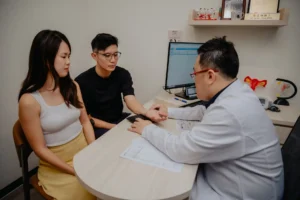
What to Expect at Your First Fertility Consultation
Knowing what to expect can help ease your anxiety. Your initial visit is simply an in-depth conversation covering your lifestyle, menstrual cycles, and medical history, alongside a traditional tongue and pulse check. This thorough, gentle evaluation allows your practitioner to map out your unique body constitution and tailor a treatment plan aligned with your specific needs from the very start.
Frequently Asked Questions About Fertility and Conception
What is the best age for fertility?
A woman’s peak reproductive years naturally occur in her 20s and early 30s. From age 35 onward, both egg quantity and quality begin a more rapid, biological decline. However, a decline does not equal an impossibility. Healthy, successful pregnancies are highly achievable in your late 30s and early 40s with early, proactive care, lifestyle adjustments, and systemic health optimisation.
How do I know if I am completely infertile?
True clinical sterility is the total, irreversible inability to conceive. This is actually quite rare and typically stems from severe structural realities, such as absent reproductive organs or a complete, untreatable fallopian tube occlusion. Most couples experiencing fertility challenges are actually dealing with sub-fertility. This means conception is merely delayed due to underlying imbalances that can be effectively addressed through natural TCM means or other forms of medical interventional such as IVF.
Can you have regular periods and still be infertile?
Yes. Having a regular monthly period indicates that your uterine lining is shedding on a predictable schedule. However, it does not guarantee that healthy ovulation is occurring. You could be experiencing anovulatory cycles, or the eggs released may lack viability. Regular periods also do not rule out other major physical issues like blocked fallopian tubes, hostile cervical mucus, or male factor infertility.
Does stress cause infertility?
While stress alone is rarely the sole cause of absolute infertility, chronic stress heavily impacts reproductive success. High stress levels prompt the body to release elevated cortisol and adrenaline. These stress hormones can disrupt the delicate hormonal signals required for regular ovulation. In TCM terminology, chronic stress leads directly to Liver Qi Stagnation, which impairs blood flow to the uterus and can completely disrupt the timing of your menstrual cycle.
How do I increase my fertility naturally as a woman?
You can boost your natural fertility by focusing on comprehensive, full-body wellness.
- Maintain a consistent sleep schedule to support vital hormonal production.
- Eat warm, cooked whole foods to preserve your body’s metabolic energy.
- Find effective, daily stress-relief outlets.
Why Choose Wo.men Matters for TCM
At Wo.men Matters, we focus on providing a supportive, professional space dedicated entirely to women’s health in Singapore. We understand how the unique stresses of modern life show up in your body, and we combine traditional wisdom with a deep understanding of female physiology to offer care that is both compassionate and effective. Whether you are navigating PMOS (formerly known as PCOS), secondary infertility, or irregular cycles, our goal is to look at the root cause to help you regain your vitality, restore your internal harmony, and simply feel like yourself again.
Are you ready to take a proactive, natural step toward balancing your reproductive health? Book a comprehensive fertility assessment.