Published on: 27 October 2026
An IVF diet is a balanced, steady way of eating that supports egg development before treatment and helps your body cope through each stage of the cycle. The most important window is the three months before ovarian stimulation, because that is roughly how long an egg takes to mature. During this time, a diet rich in vegetables, whole grains, healthy fats, legumes and fish gives developing eggs a good nutritional environment.
Key Takeaways
- The three months before stimulation matter most, since eggs take around 90 days to mature.
- A pre-IVF diet built on vegetables, whole grains, healthy fats, legumes and fish is linked to better IVF outcomes in research, though it cannot guarantee a result.
- Nutrients such as folic acid, vitamin D and iron are best checked with your doctor rather than guessed.
- TCM herbs and herbal soups are paused during stimulation, unless your IVF doctor and TCM physician both agree.
- During stimulation and after retrieval, small protein-rich meals and steady fluids help with bloating and recovery.
What Is an IVF Diet?
An IVF diet focuses on sustainable nourishment rather than strict restrictions or detoxes. It is an eating pattern that supports your body before and during assisted reproduction, with three simple goals: giving developing eggs good nutrition, supporting a healthy uterine lining (endometrium, the tissue an embryo attaches to), and helping you feel steady through hormone treatment.
In Traditional Chinese Medicine (TCM), the same period is about building Qi and Blood and protecting Kidney Jing (Essence), your reproductive reserve, so your body enters treatment feeling as strong as possible.
Why Do the 3 Months Before IVF Matter Most?
Because that is when your eggs are growing, and when your diet before IVF can do the most. An egg takes around 90 days to develop from an early follicle to one ready for retrieval, so the food, sleep and stress levels you have now shape the environment those eggs grow in. A gradual change over three months also lasts longer than a rushed overhaul in the week before injections. Our guide to how long IVF takes in Singapore shows where this window sits in your full treatment timeline.
What Does a Pre-IVF Diet Plan Look Like?
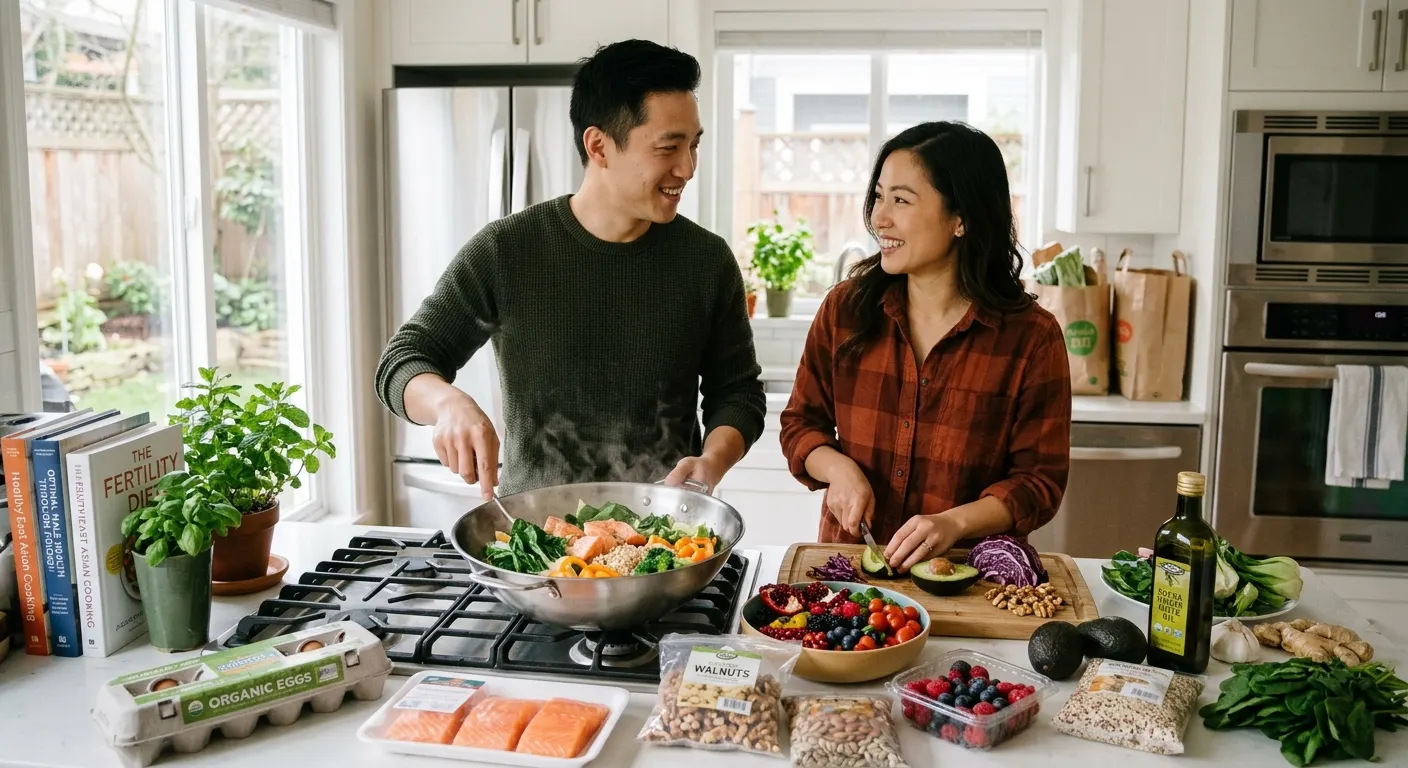
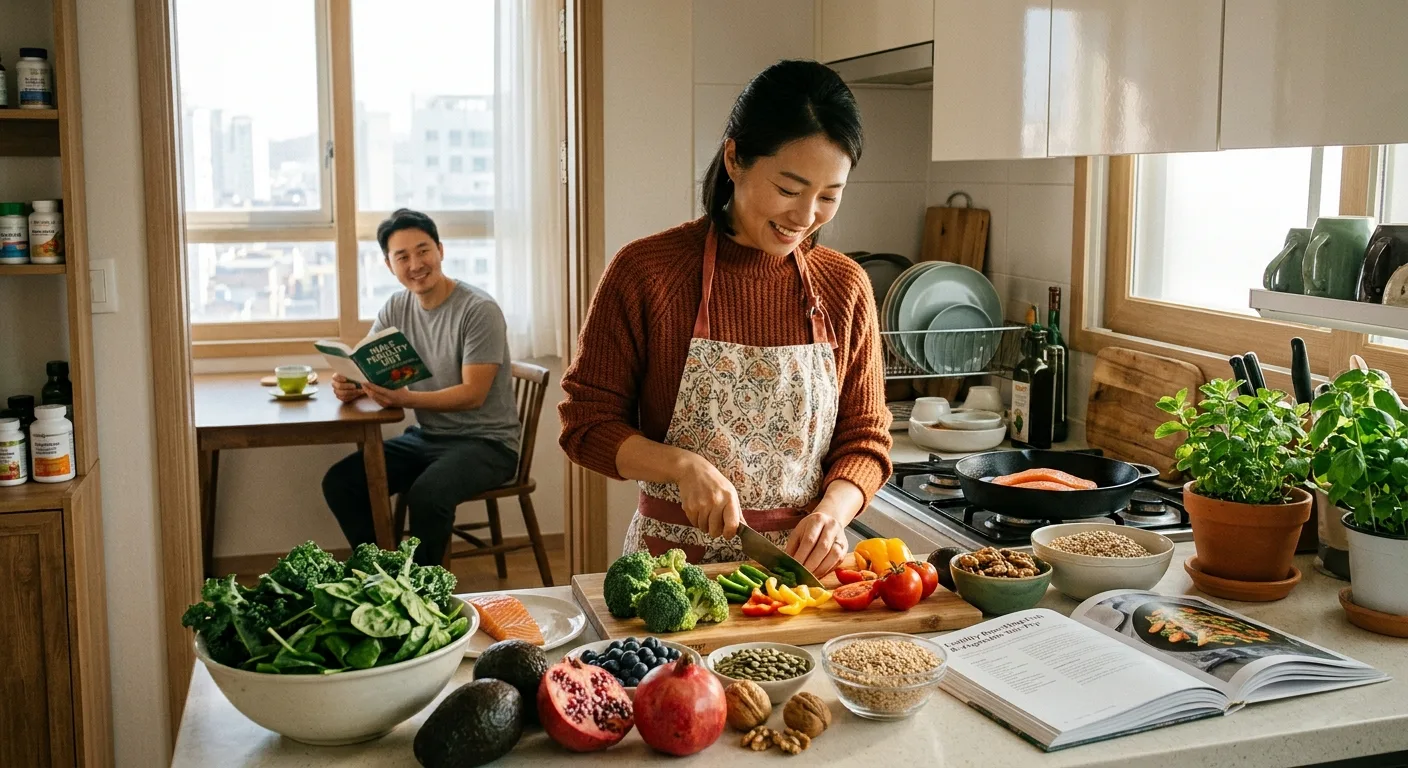
A simple rule is to fill half your plate with cooked vegetables, a quarter with protein and a quarter with whole grains. Across the week, a good IVF diet plan includes:
- Protein at every meal: eggs, tofu, chicken, fish, beans or lentils.
- Vegetables and fruit: five or more portions a day, with leafy greens most days.
- Whole grains: brown rice, oats, wholemeal bread or brown rice bee hoon.
- Healthy fats: olive oil, avocado, nuts and seeds.
- Oily fish: two servings a week of low-mercury types such as salmon and sardines.
Cut back on sugary drinks, fried snacks, processed meat and alcohol. Many clinics also suggest keeping caffeine to around one to two cups of coffee a day. Weight matters too, as being well under or over a healthy weight can affect how your ovaries respond, so ask your doctor what range is right for you.
Easy Swaps for Singapore Meals
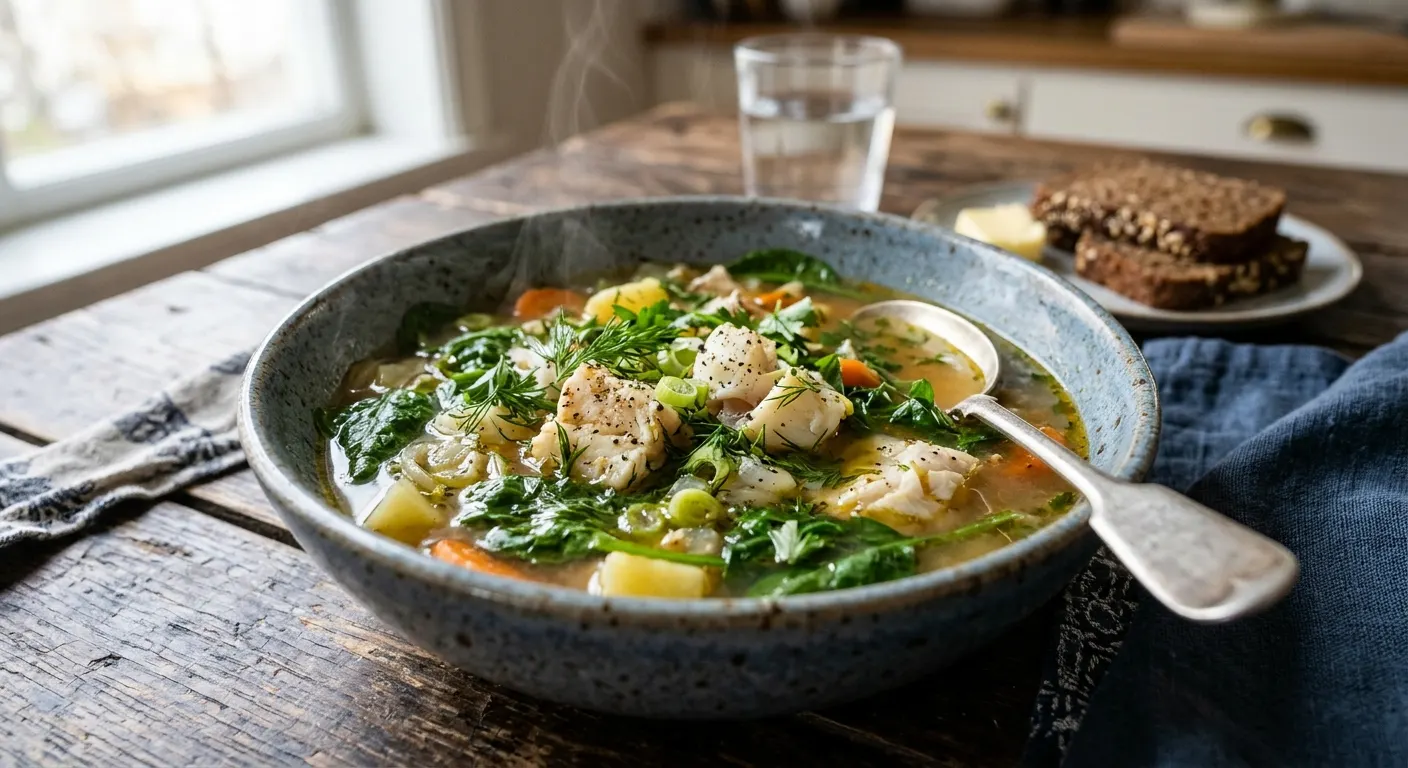
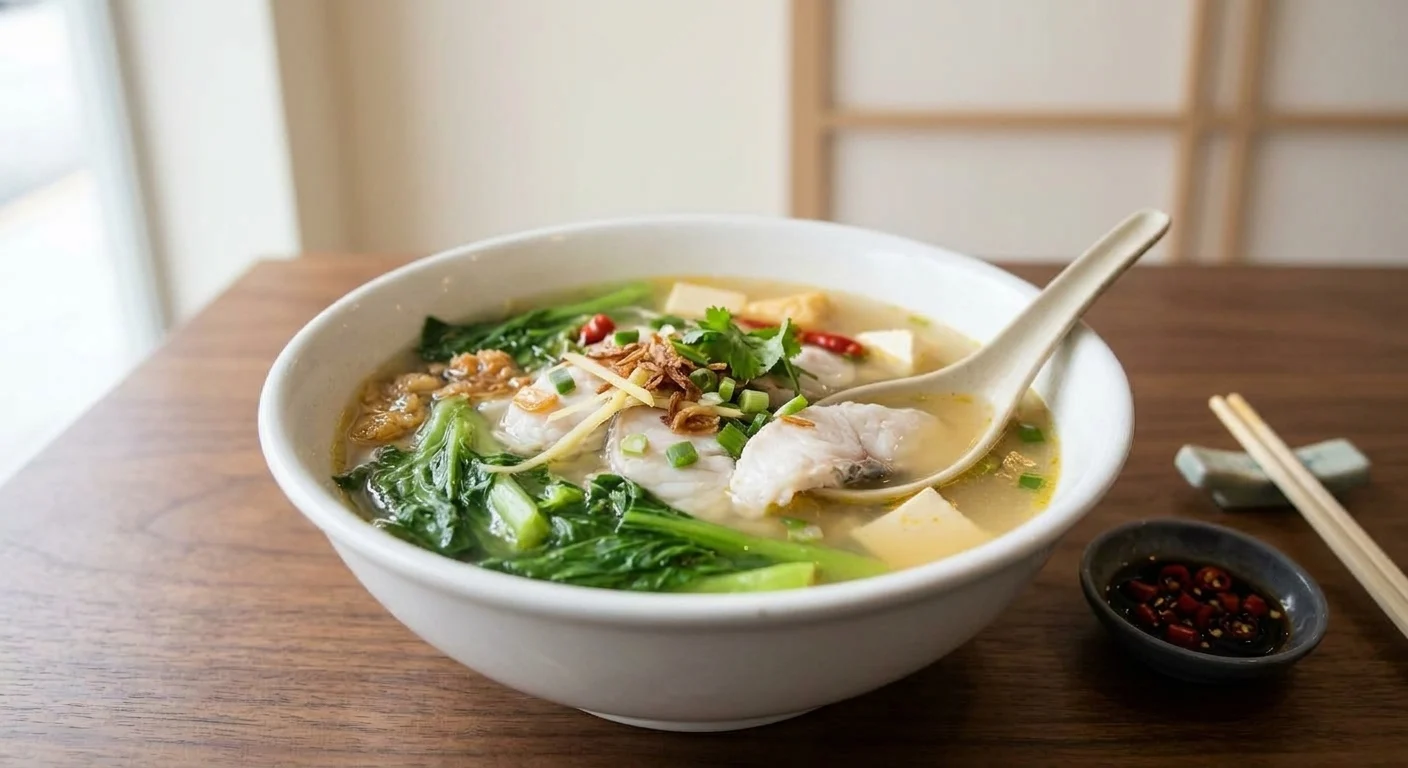
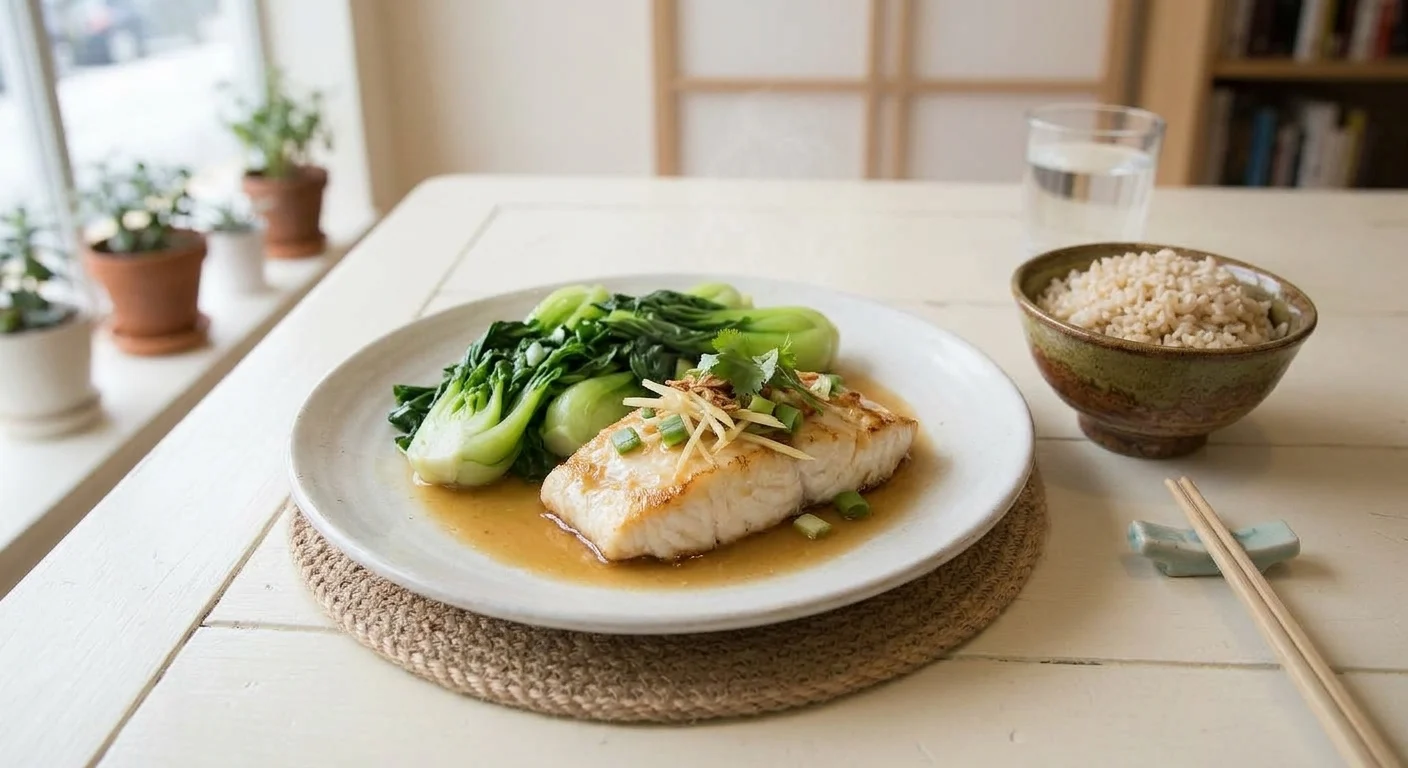
Choose sliced fish soup or yong tau foo in clear soup over fried noodles, ask for brown rice at the economy rice stall, and order your kopi or teh kosong or siew dai. These small swaps cut refined carbohydrates and sugar without changing your whole routine.
Nutrients to Check With Your Doctor
Folic acid and vitamin D are commonly recommended before conception, and vitamin D is especially worth discussing if you spend most of your day indoors with little sun exposure. Ask your doctor which doses suit you, and whether your iron and vitamin B12 levels should be checked as well.
Does Diet Affect IVF Outcomes?
Yes, research suggests that diet can influence IVF outcomes, though it remains one factor alongside age and medical history. A study of 244 non-obese women undergoing their first IVF cycle found that those who closely adhered to a Mediterranean-style diet had higher clinical pregnancy and live birth rates, particularly among women under 35. The researchers noted that these findings show an association rather than direct proof of cause and effect. Age, egg reserve and the cause of infertility still play a much bigger role, as our guide to the IVF age limit in Singapore explains.
What Should You Eat at Each Stage of IVF?
Once treatment begins, the goal shifts from building reserves to keeping you comfortable and well nourished.
During Ovarian Stimulation
Over the 10 to 14 days of injections, your ovaries grow larger and many women may feel bloated. Small, frequent meals with protein are easier on the stomach, and fibre from vegetables and oats helps with constipation. Drink fluids steadily, as your clinic advises. Skip herbal soups, TCM herbs and tonic teas during this phase, as they may interact with your medication.
Around Egg Retrieval
Follow your clinic’s fasting rules before sedation exactly. Afterwards, start with light meals such as congee, soup or steamed fish with rice, and keep fluids and protein steady. If bloating, pain or nausea grows worse instead of easing, contact your clinic, as this can be a sign of ovarian hyperstimulation syndrome (OHSS) after egg retrieval.
After Embryo Transfer
The focus shifts to steady nourishment and food safety, since you may be pregnant. Keep meals warm and balanced and avoid raw or undercooked foods.
The TCM Perspective on Preparing for IVF
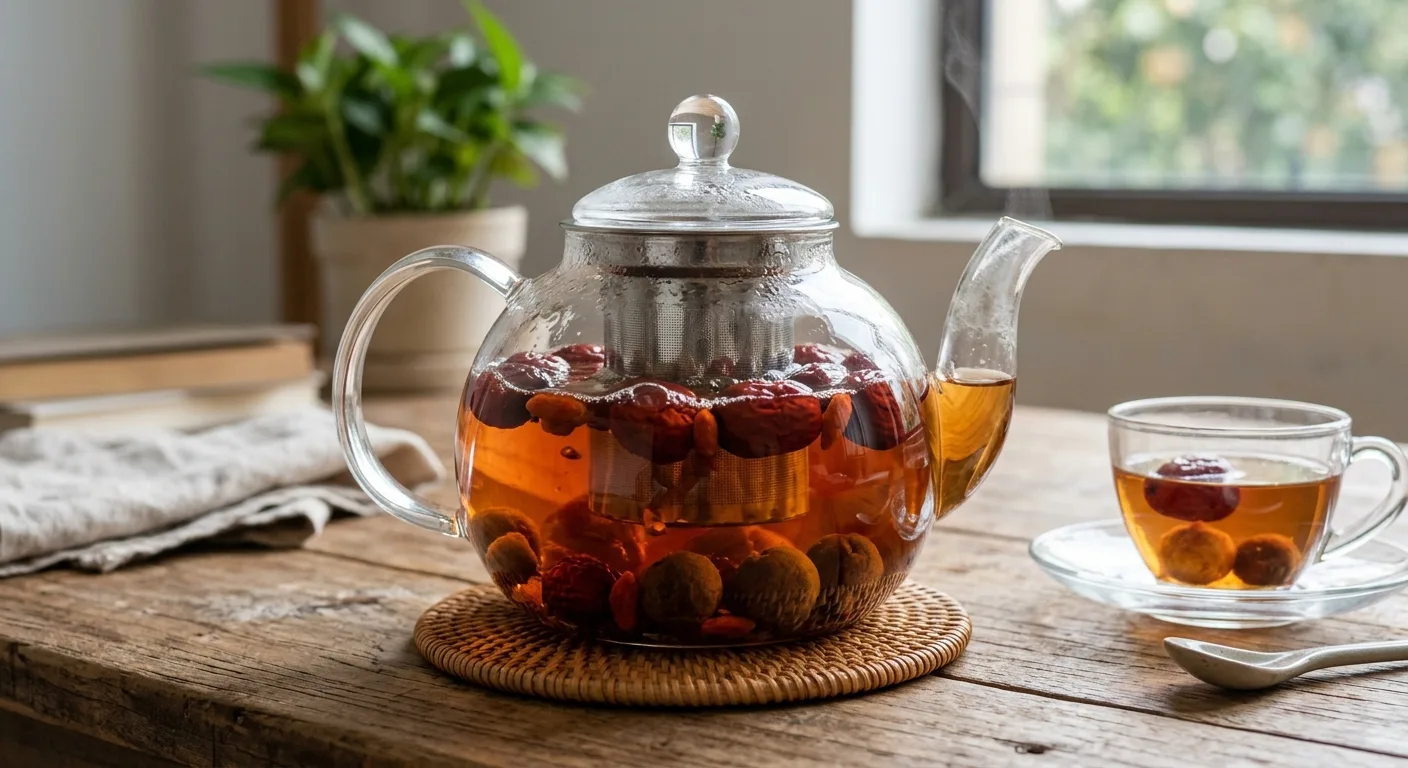
TCM sees IVF preparation as building a strong foundation before the body is asked to work hard. A TCM physician usually starts by identifying your body pattern, such as Blood deficiency, Kidney deficiency or a Cold uterus, and may then suggest matching foods, for example black sesame, red dates and goji berries for Blood, or warm soups for a cold-type body.
At Wo.men Matters, we often recommend starting TCM preparation around 3 months before your IVF cycle, with weekly acupuncture usually beginning 2 to 3 weeks before stimulation. Traditional Chinese Medicine is typically paused during stimulation to avoid interactions with fertility medication, while acupuncture can be planned around egg retrieval and embryo transfer. Our guide to IVF success rates with TCM support explains each phase in more detail, and our team communicates with your fertility clinic when appropriate.
Why Choose Wo.men Matters
Preparing for IVF works best with a clear, coordinated plan. At Wo.men Matters, our physicians review your health profile, blood work and IVF schedule alongside a full Traditional Chinese Medicine assessment, then build a food and treatment plan that fits around your fertility clinic’s timeline, never in place of it.
Our bilingual team is here to make sure every step is clearly communicated and understood. Connect with our team to plan your three months before IVF, and bring your latest results along. Your matter, our matter.