Published on: 10 November 2026
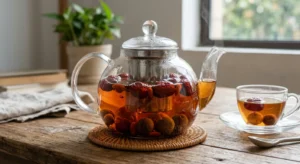
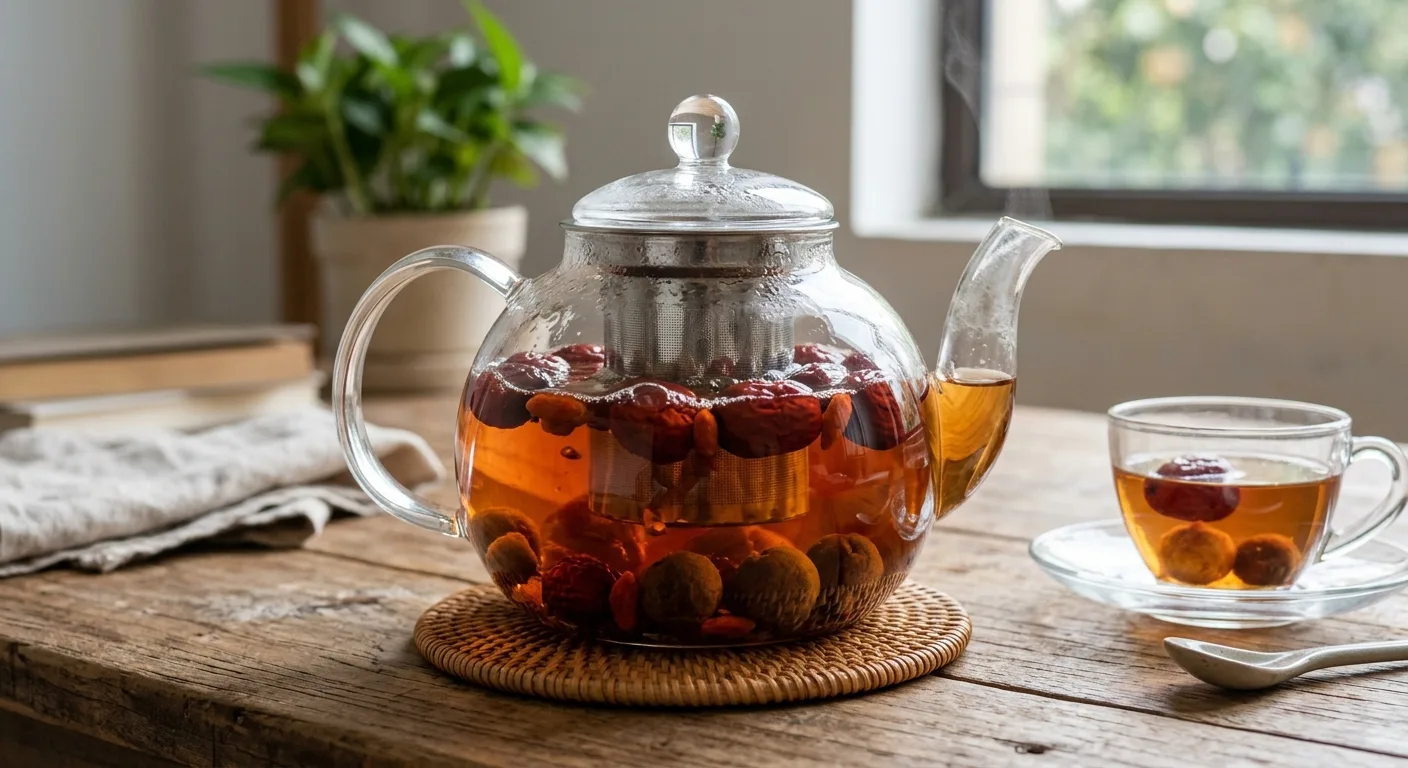
Red dates tea is a warm drink made by simmering dried red dates (jujubes, or hong zao) in water, often with dried longan or goji berries. In Traditional Chinese Medicine (TCM), red dates are used to strengthen digestion, replenish Qi and nourish Blood, which is why the tea is a familiar part of confinement and women’s health routines in Singapore. Modern research shows that jujubes contain vitamin C, potassium and plant antioxidants, although most of the health effects studied so far come from laboratory and animal work rather than human trials.
Key Takeaways
- Red dates tea benefits in TCM centre on supporting digestion, replenishing Qi and nourishing Blood, which makes it a traditional choice for women after periods, during preparation for pregnancy and after childbirth.
- Jujubes provide vitamin C, potassium and antioxidants, but human research is limited, so the tea is best seen as a nourishing drink rather than a treatment.
- When you are trying to conceive, red dates tea can be part of a balanced, warm diet, but it does not treat infertility on its own.
- Red date and longan tea is more warming and sweeter than plain red dates tea, so it may not suit people prone to “heatiness” or watching their sugar intake.
- Women who are pregnant, have gestational diabetes or take regular medication should check with a doctor or TCM physician before drinking it daily.
What Is Red Dates Tea?
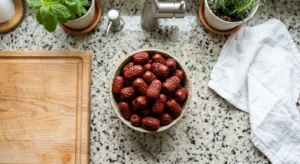
Red dates tea is a simple infusion of dried jujube fruit, the fruit of the Ziziphus jujuba tree. Dried jujubes are mostly natural carbohydrate, and they also provide potassium, vitamin C and plant compounds called polyphenols.
In TCM, red dates are classed as sweet and warm in nature and act on the Spleen and Stomach. Hong Kong Polytechnic University’s Chinese herbal database lists their traditional uses as strengthening the Spleen, replenishing Qi, nourishing Blood and calming the mind.
What Are the Benefits of Red Dates Tea?
Red dates tea is traditionally valued for supporting energy, digestion and Blood, and it is a caffeine-free alternative to sweetened kopi or bubble tea. Its main traditional benefits include:
- Nourishing Blood: TCM uses red dates for Blood deficiency, which may show up as tiredness, pale skin or light periods. Jujubes contain only a modest amount of iron, so they are not a substitute for iron-rich foods or prescribed iron.
- Supporting digestion: In TCM terms, red dates strengthen the Spleen and Stomach, which is why they are often added to soups and congee for people with a weak appetite.
- Calming the mind: Red dates are traditionally used to ease restlessness and support sleep.
- Antioxidant content: Laboratory studies show jujube extracts have antioxidant activity, but a 2020 research review notes there are no human trials yet on jujube for Blood deficiency.
Red dates tea is a nourishing, comforting drink with a long traditional history, but it should sit alongside a balanced diet and medical care.
Can Red Dates Tea Support You When Trying to Conceive?
Red dates tea can be part of a fertility-friendly diet, but there is no evidence that it improves fertility on its own. From a TCM view, well-nourished Blood and a strong Spleen support a regular cycle and a healthy uterine lining, so physicians often include red dates in warm, cooked diets for women with signs of Blood deficiency.
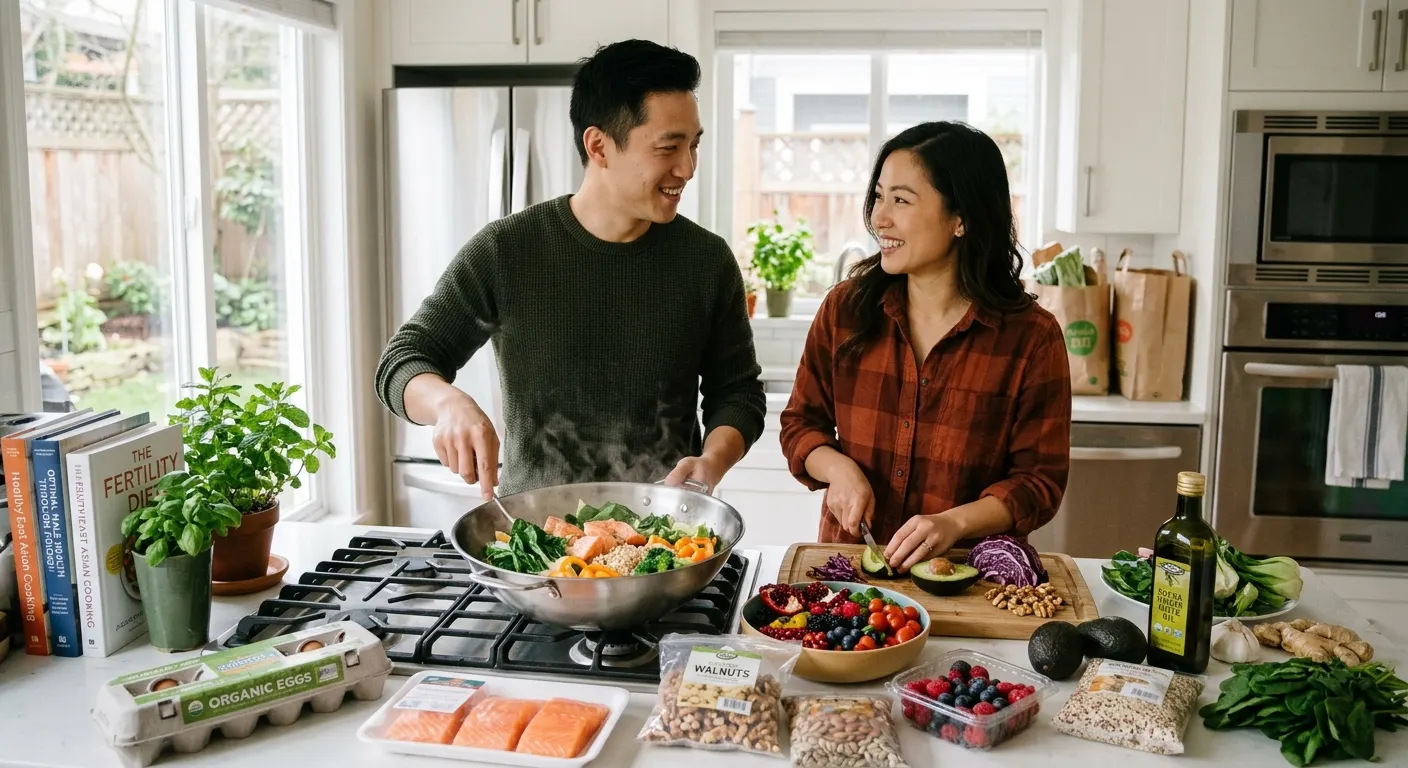
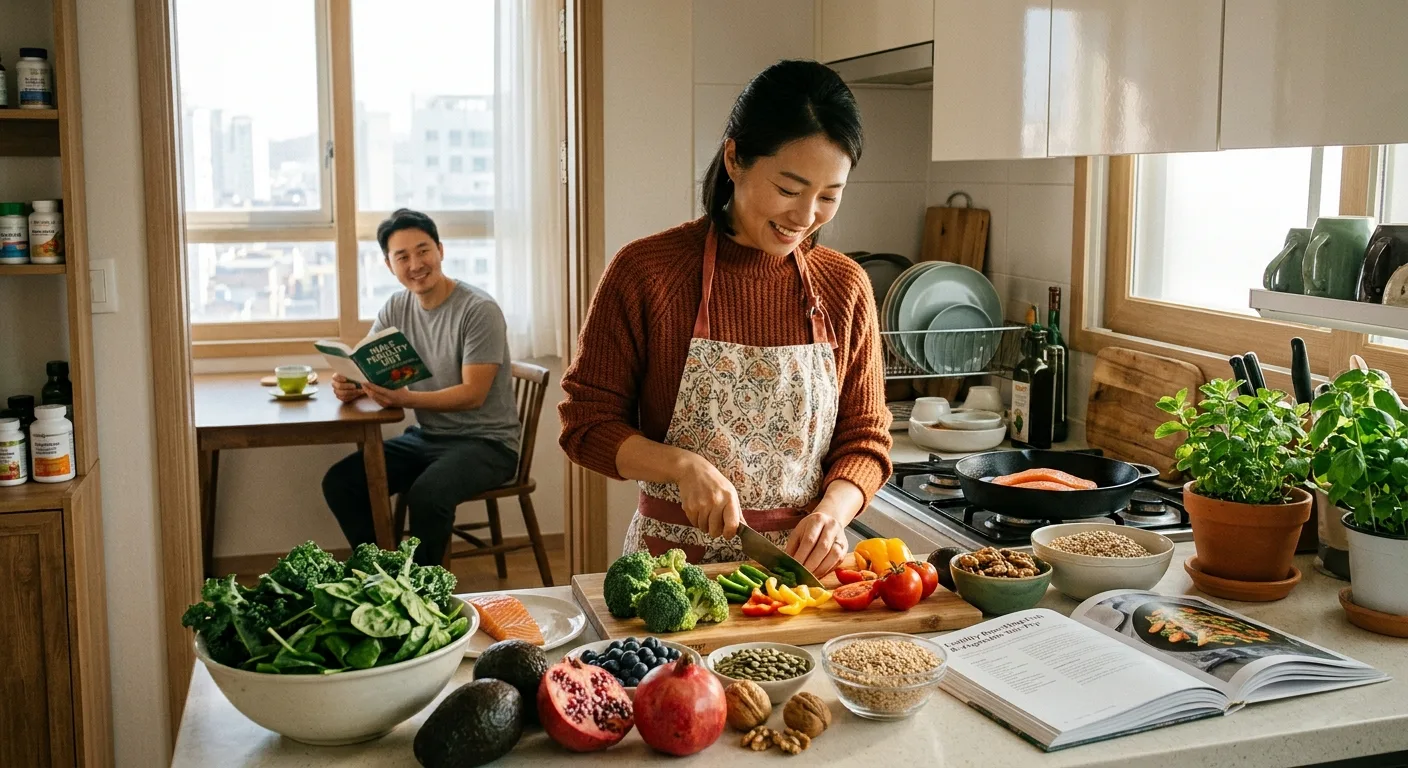
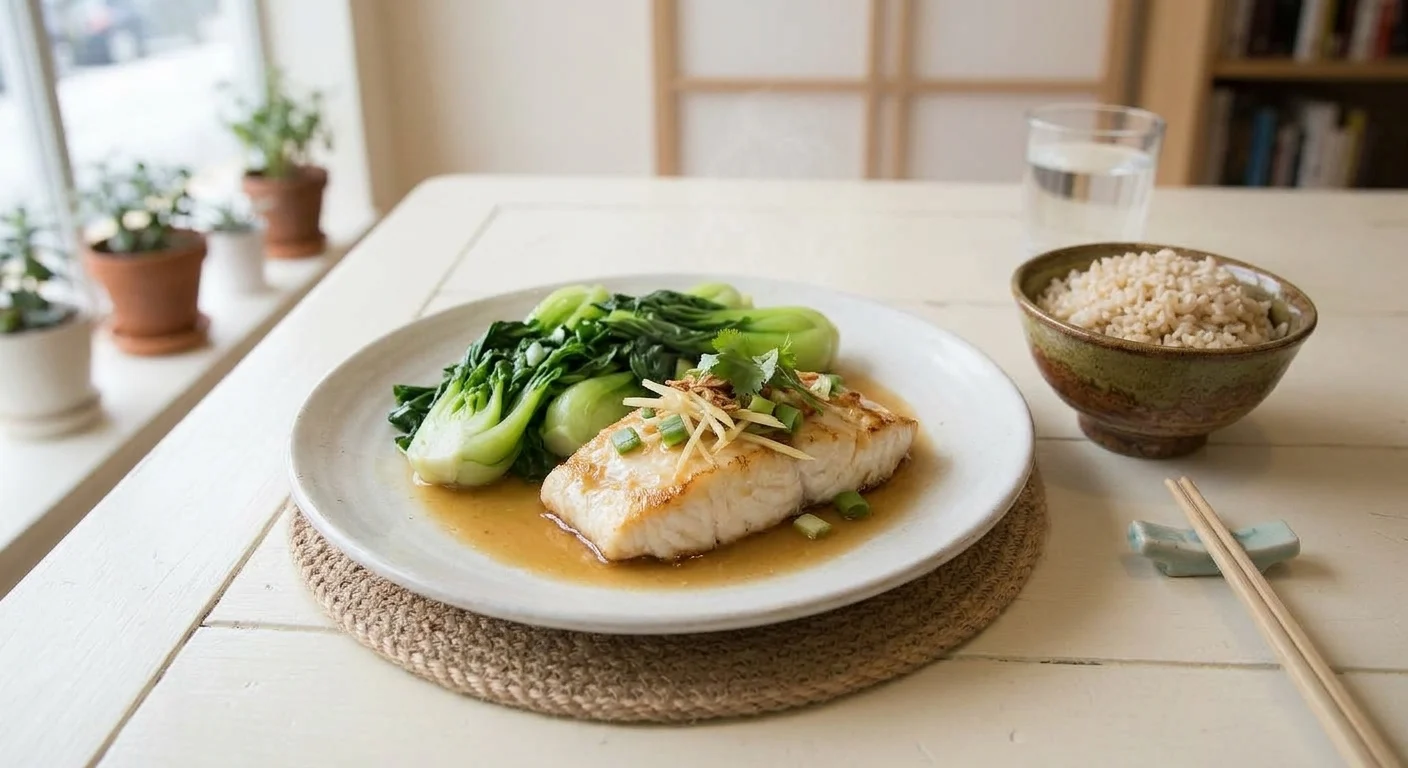
Some women choose to drink red dates tea in the days after their period ends, when TCM focuses on rebuilding Blood. It is best taken without added sugar, as part of a varied diet with leafy greens, eggs, fish and whole grains. Our guide to the TCM fertility diet explains how to build meals around your cycle, and our page on TCM support for fertility covers when to seek a full assessment.
Red Date and Longan Tea: What Does Longan Add?
Red date longan tea combines red dates with dried longan flesh (long yan rou), another sweet, warm ingredient used in TCM to nourish Blood and calm the mind. Longan red date tea benefits are therefore similar to plain red dates tea, with a stronger warming and calming effect.
The trade-offs are worth knowing:
- More warming: People who tend towards “heatiness”, such as frequent mouth ulcers, sore throats, acne flare-ups or constipation, may find longan aggravates these signs.
- Sweeter: Dried longan is much higher in natural sugar than the fresh fruit, so the tea is noticeably sweeter even without added sugar.
- Smaller amounts work best: A small handful of longan per pot is usually enough.
Red Dates Tea During Confinement

Red dates tea is one of the most common confinement drinks in Singapore, traditionally taken in the first month after childbirth to replenish Blood and Qi. In TCM, the first 40 days after birth are seen as an important window for warmth and nourishment, which our page on postpartum massage and TCM recovery also explains.
Who Should Be Careful With Red Dates Tea?
Red dates tea is safe for most people in moderate amounts, but a few groups should take extra care:
- Pregnant women: Moderate amounts as part of a normal diet are generally considered fine, but check with your TCM physician before adding other herbs.
- Gestational diabetes or high blood sugar: About one in five pregnant women in Singapore develop gestational diabetes, according to NUH. Red dates and longan are naturally sugary, so portions matter, and added sugar should be avoided.
- Heatiness: Those with a warm body constitution may find red date longan tea worsens dryness, ulcers or acne. Plain red dates tea in small amounts is gentler.
- Regular medication: Tell your doctor about herbal drinks if you take blood-thinning, diabetes or blood pressure medicine.
How to Make Red Dates Tea
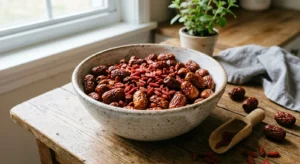
A simple, low-sugar red dates tea takes about 30 minutes to make:
- Rinse 8 to 10 dried red dates and cut a slit in each, or remove the seeds if you prefer.
- Add them to 1 litre of water with 5 to 6 pieces of dried longan or a spoon of goji berries if desired.
- Bring to the boil, then simmer gently for 20 to 30 minutes.
- Drink it warm, without added sugar, as the fruit is naturally sweet.
The TCM Perspective on Red Dates
In TCM, no single food suits everyone. A TCM physician considers your body pattern, such as Blood deficiency, Qi deficiency or a tendency towards heat, before suggesting how often you should drink red dates tea and what to add to it.
At Wo.men Matters, our TCM physicians offer dietary and lifestyle guidance alongside acupuncture, Chinese herbal medicine, moxibustion and Womb Care Therapy, tailored to your pattern after a full assessment.
Frequently Asked Questions
Can I drink red dates tea every day?
Most healthy adults can drink one to two cups of unsweetened red dates tea a day. If you are pregnant, have high blood sugar or tend towards heatiness, check with your doctor or TCM physician about the right amount for you.
Is red dates tea heaty?
Red dates are classed as warm in TCM, so the tea is mildly warming. Adding longan makes it more warming, while plain red dates tea in small amounts is usually well tolerated.
Can I drink red dates tea while pregnant?
Moderate amounts as part of a balanced diet are generally considered safe, but avoid adding other herbs without advice. Speak with your physician, especially if you have gestational diabetes.
Why Choose Wo.men Matters
Everyday foods like red dates tea work best when they suit your body and fit into a wider plan. At Wo.men Matters, our TCM physicians review your cycle, energy and medical history alongside a full Traditional Chinese Medicine assessment, then give food and lifestyle advice that fits around your modern medical care.
Our bilingual team is here to make sure every step is clearly explained and easy to follow. Connect with our team to find out which nourishing foods and treatments suit your body. Your matter, our matter.