Published on: 10 November 2026
Good foods for periods are warm, balanced meals that include iron-rich protein, leafy greens, whole grains, fruit, healthy fats and plenty of fluids, while limiting salty, sugary, oily and heavily processed food. Research suggests that some foods, such as ginger and oily fish, may help ease period cramps, and that eating more fruit, vegetables and whole grains is linked to milder period pain. Traditional Chinese Medicine (TCM) adds another layer, recommending warm, cooked food and fewer iced drinks to keep Blood flowing smoothly. Below, you will find what food to eat during periods, how ginger and brown sugar tea, cold food and spicy food fit in, and which foods not to eat on your period.
Key Takeaways
- Good period food includes iron-rich protein, leafy greens, whole grains, fruit, nuts and oily fish, along with plenty of water.
- Ginger has the strongest evidence among foods for easing period cramps, with several clinical trials showing reduced pain.
- Diets high in fruit, vegetables and whole grains are linked to milder period pain, while processed meat, refined grains and sugar are linked to worse pain.
- Some research links frequent cold food and drinks to worse period pain in Asian women, which matches TCM advice, but the evidence is still limited.
- Very painful or heavy periods are not something to manage with diet alone and should be checked by a doctor.
Why Does Food Matter During Your Period?
Food matters during your period because it can affect inflammation, energy levels and how much iron you replace. Period cramps are caused by prostaglandins, hormone-like substances that make the uterus contract, and some foods may influence how strongly these act.
A 2024 study of 505 women found that women with severe period pain ate more refined grains, processed meat, sugar and animal fat, while women with mild pain ate more whole grains, fruit and vegetables. This shows a link rather than proof, but it supports eating well throughout the month, not only during your period.
What Food to Eat During Periods
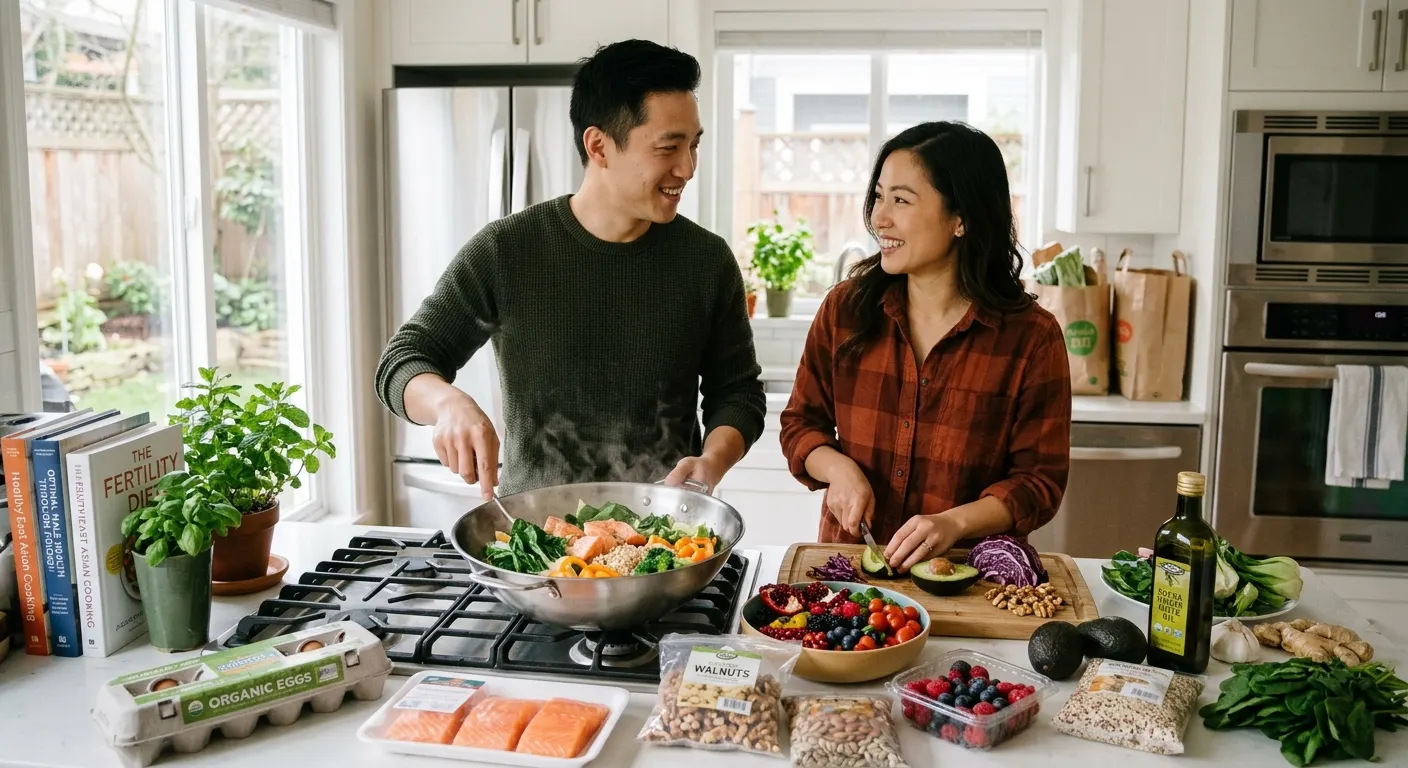
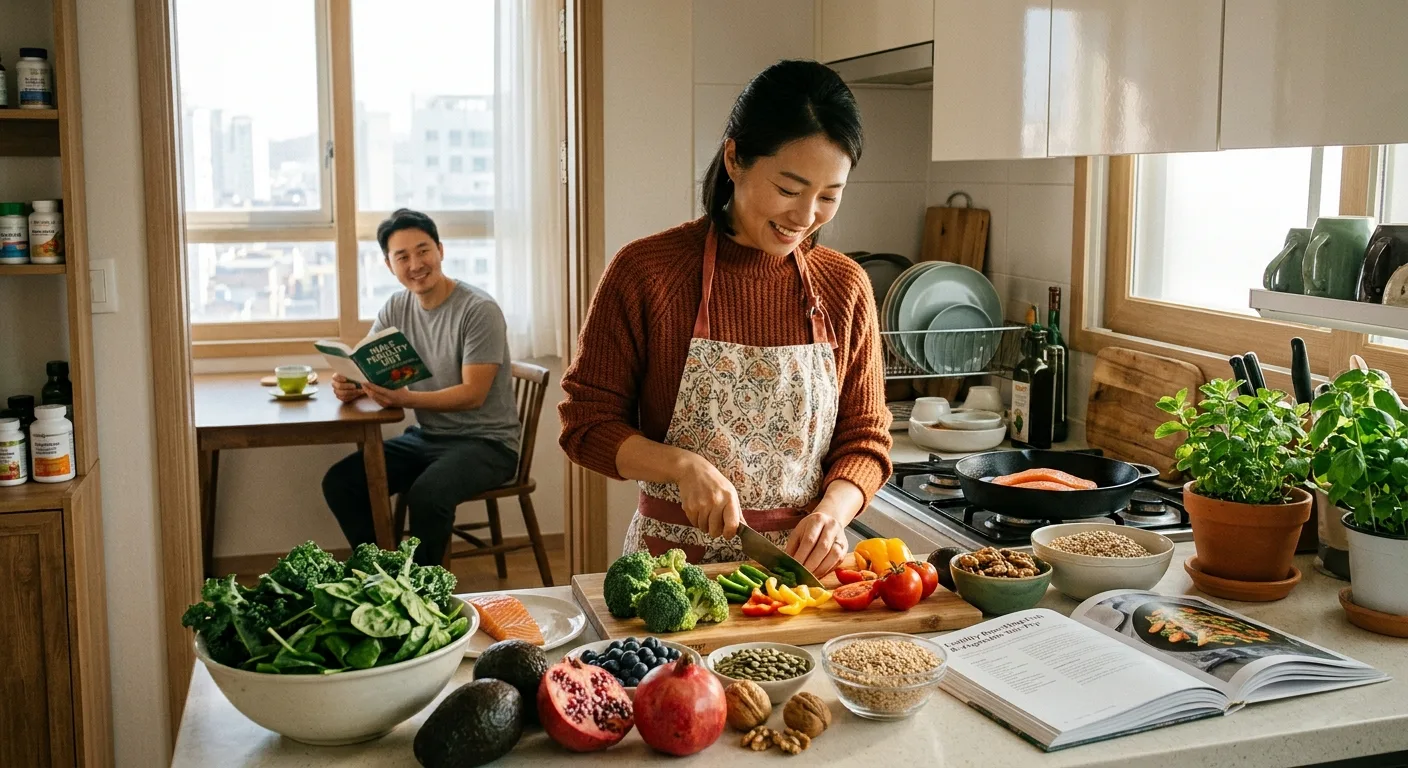
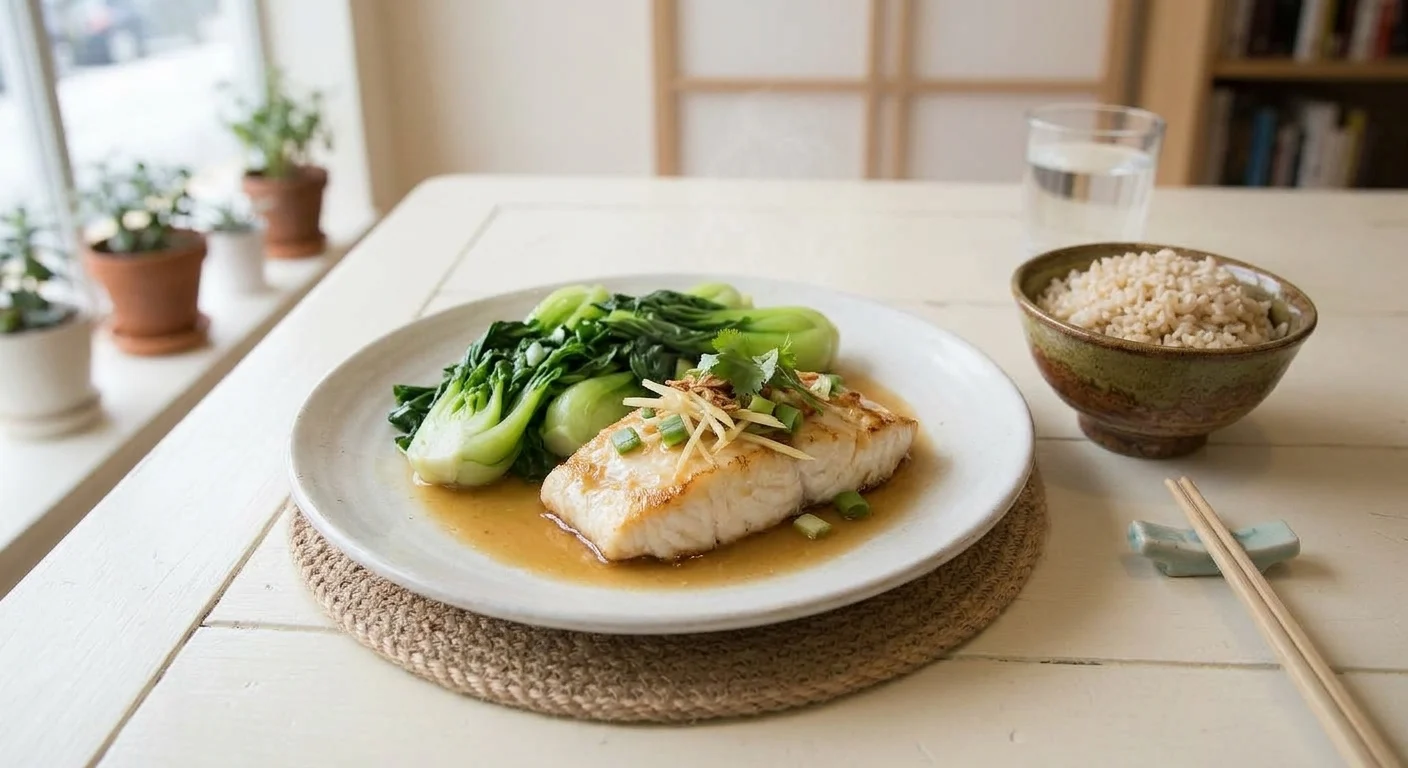
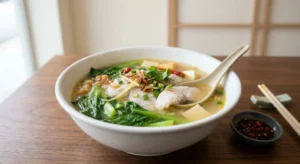
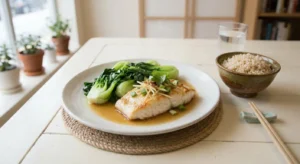
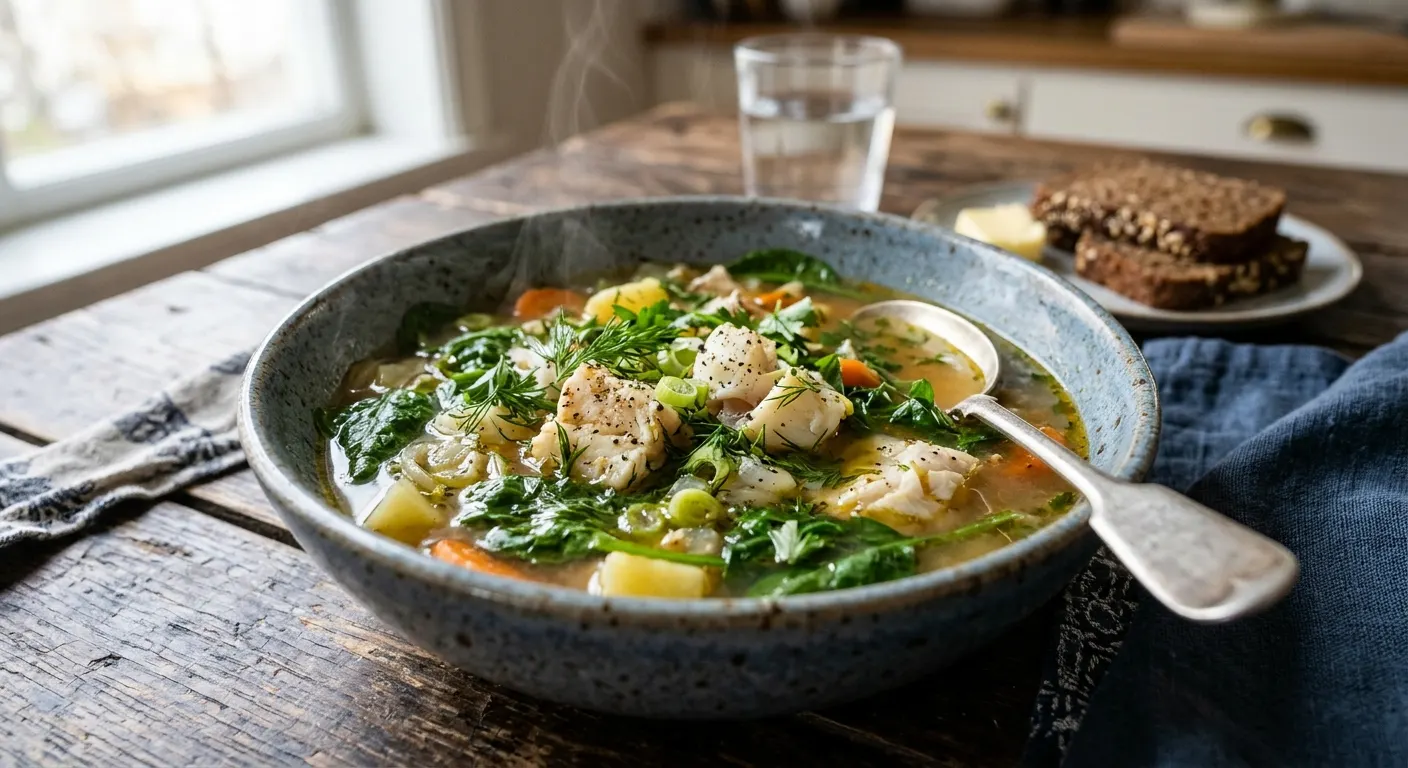
A balanced plate with warm, cooked food is the simplest way to support your body during your period. Good period food includes:
- Leafy greens: spinach, kailan and chye sim provide iron, folate and magnesium.
- Oily fish: salmon, sardines and mackerel provide omega-3 fats, which may help reduce inflammation.
- Lean protein: chicken, fish, eggs and tofu help keep energy steady.
- Whole grains: brown rice and oats provide fibre and B vitamins.
- Fruit: bananas and oranges provide potassium and vitamin C, which helps the body absorb iron.
- Nuts and seeds: almonds, walnuts and pumpkin seeds provide magnesium and healthy fats.
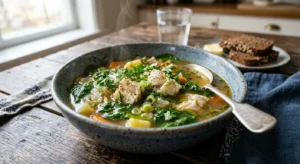
- Fluids: warm water, soups and herbal teas help with bloating and tiredness.
Food for Period Cramps and Period Pain
Ginger is the food with the most research behind it for period pain. A systematic review and meta-analysis of clinical trials found that ginger taken during the first three to four days of the period reduced pain more than a placebo, although the number of trials was small. Oily fish, nuts and seeds may also help, and Singapore General Hospital doctors suggest eating more protein, potassium and omega-3 foods while limiting salty food to reduce bloating.
Iron-Rich Foods for Heavier Periods
Heavy periods are a common cause of low iron. Iron-rich foods include lean red meat, chicken, fish, eggs, tofu, lentils, beans and dark leafy greens. Pair them with vitamin C foods such as oranges, papaya or broccoli, and avoid drinking tea with iron-rich meals, as it reduces absorption. If you often feel tired, dizzy or breathless during your period, ask a doctor to check for anaemia.
Does Ginger and Brown Sugar Tea Help Period Pain?
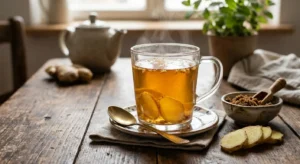
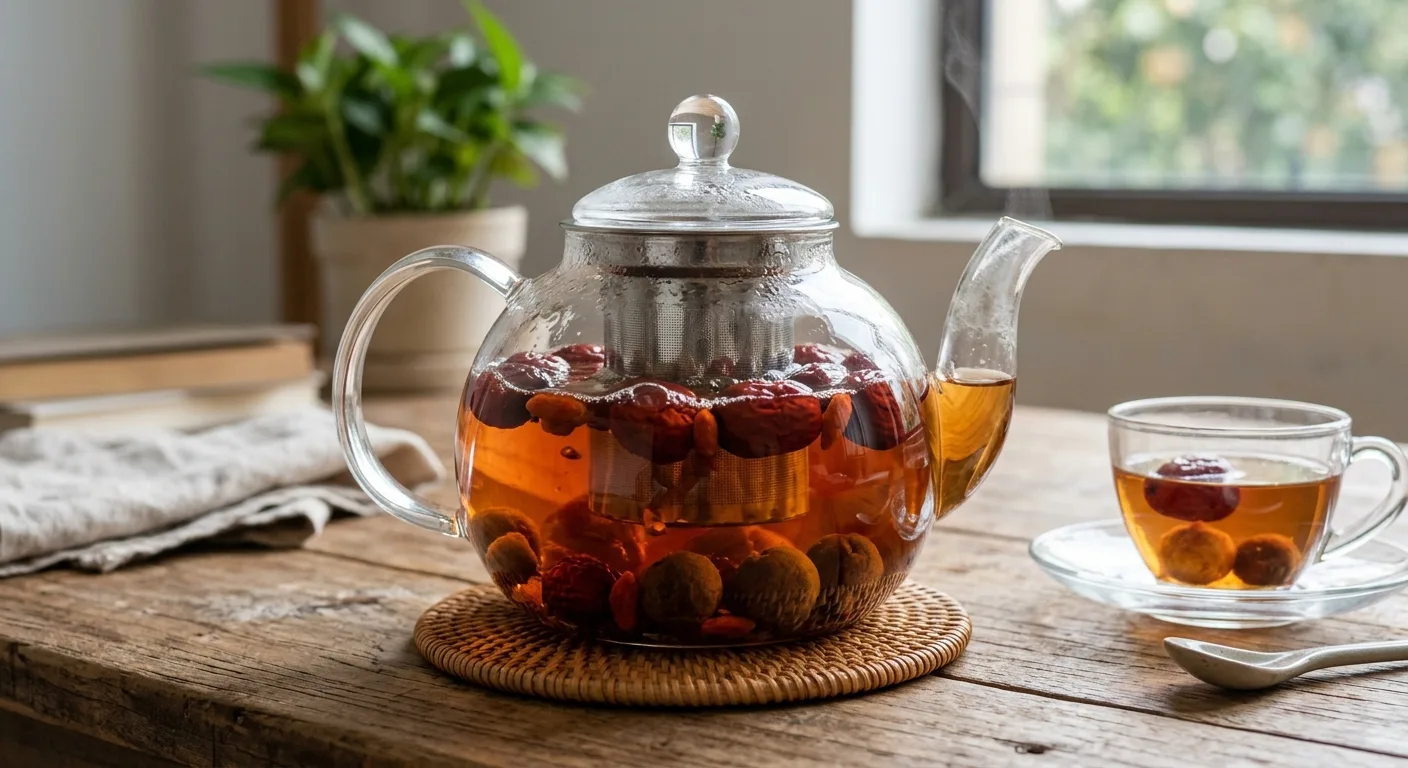
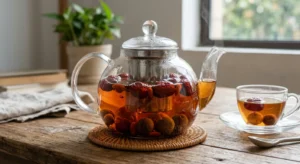
Ginger and brown sugar tea may help ease period pain, mainly because of the ginger. There are no studies on this exact drink, but the ginger research above suggests it can reduce cramps. In TCM, ginger is warming and brown sugar is believed to warm the body and move Blood, which is why the tea is a traditional remedy for cold-type cramps.
To keep it healthy, use fresh ginger generously and only a small spoon of brown sugar. Brown sugar is still sugar, so this tea is best kept to the first few days of your period.
Can You Eat Cold Food on Your Period?
You can eat cold food on your period, but some women find that iced drinks and cold desserts make their cramps worse. A study of Asian and white women found that Asian women who ate ice cream more than three times a week in winter reported worse period pain. This was a small survey, so it shows a link rather than proof.
TCM has long advised against eating cold food during your period, as cold is believed to slow circulation and cause Blood stagnation. Wo.men Matters’ guide to period cramps explains this in more detail. If you notice your cramps worsen after iced drinks, switching to warm or room-temperature drinks is an easy change to try.
Is Spicy Food OK During Your Period?
Spicy food is not harmful during your period, but it may upset your stomach and worsen bloating, nausea or loose stools in some women. There is little research linking spicy food directly to period pain. Singapore General Hospital doctors suggest limiting spicy and oily food during your period, and women who already get diarrhoea during their period may find milder food more comfortable.
Foods Not to Eat on Your Period
The foods not to eat on your period are mostly those that worsen bloating, energy dips or inflammation:
- Salty food: instant noodles, chips and processed snacks can increase water retention.
- Sugary food and drinks: bubble tea, cakes and soft drinks can cause energy crashes.
- Processed meat: sausages, luncheon meat and bacon.
- Alcohol: can worsen dehydration, headaches and mood changes.
- Too much caffeine: doctors often suggest cutting back on coffee and energy drinks when periods are painful.
- Very oily or deep-fried food: may worsen bloating and digestive discomfort.
The TCM Perspective on Eating During Your Period

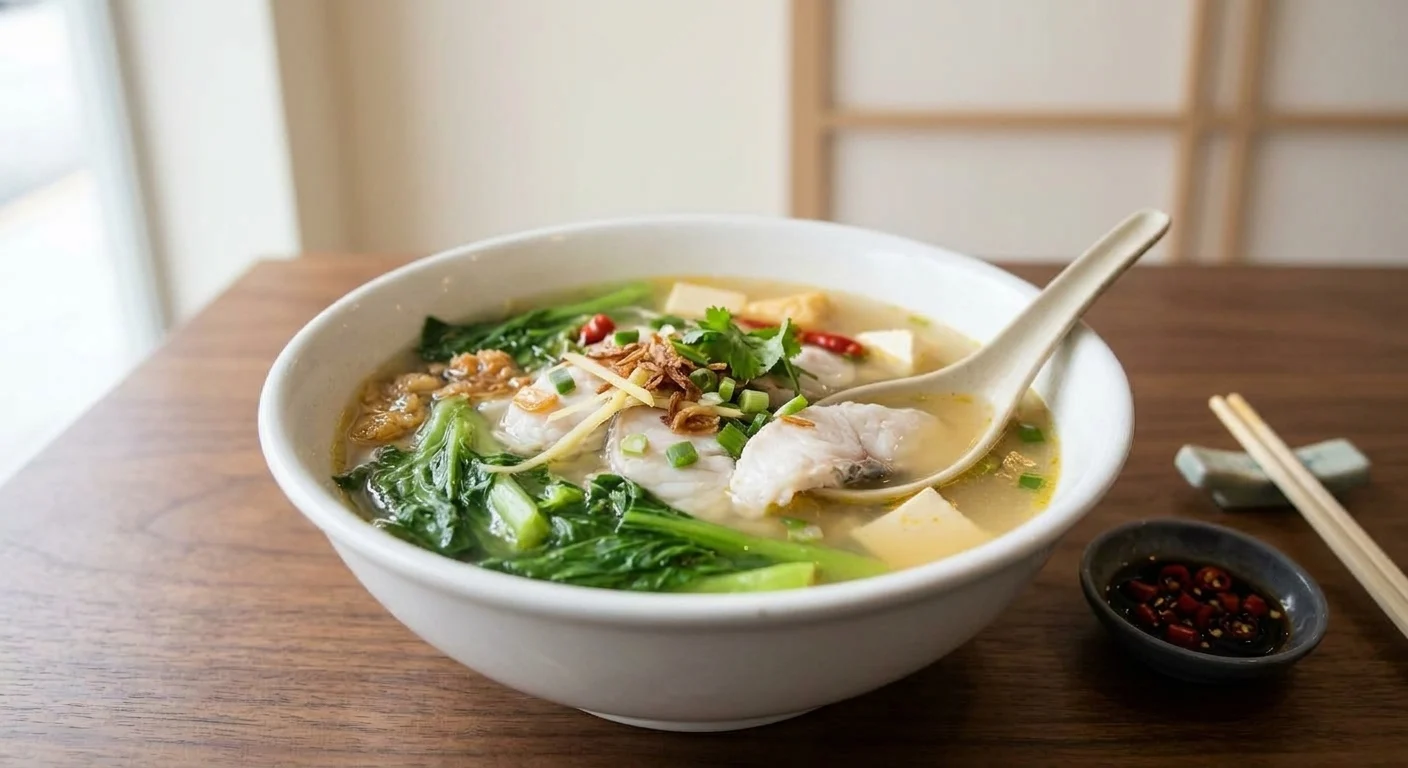
TCM sees the period as a time when the body is losing Blood and is more sensitive to cold. Warm, cooked, easy-to-digest meals are recommended to support smooth flow and avoid Cold and Blood stagnation, which TCM links to sharp cramps and dark, clotted blood.
TCM physicians tailor food advice to your pattern. Women with Cold and Blood stasis may be advised to add ginger and warm soups, those with Liver Qi stagnation may benefit from regular meals and less caffeine, and those with Spleen and Kidney weakness may need more nourishing foods such as eggs, red dates and black sesame. At Wo.men Matters, our TCM physicians combine dietary and lifestyle guidance with herbal formulas, acupuncture, moxibustion and Womb Care Therapy. Our guide to menstrual disorders in Singapore explains when period symptoms need medical attention.
Frequently Asked Questions
What should I drink during my period?
Warm water, ginger tea, chamomile tea and clear soups are good choices. Limit alcohol, soft drinks and very strong coffee, which can worsen bloating and dehydration.
Is chocolate good for period cramps?
A small piece of dark chocolate provides magnesium and can be a reasonable treat, but sugary milk chocolate in large amounts may worsen energy dips.
When is period pain not normal?
Pain that stops you from working or studying, gets worse over time, or does not improve with regular pain relief should be checked by a doctor. It can be a sign of conditions such as endometriosis or fibroids.
Why Choose Wo.men Matters
Period symptoms are common, but they are not something you have to simply put up with. At Wo.men Matters, our TCM physicians review your cycle history and symptoms alongside a full Traditional Chinese Medicine assessment, then build food, lifestyle and treatment advice that fits around your modern medical care.
Our bilingual team is here to make sure every step is clearly explained and easy to follow. Connect with our team to find out which approach suits your body. Your matter, our matter.