
Published on: 10 November 2026
Foods to improve egg quality are whole, nutrient-rich foods that support the environment your eggs grow in, such as leafy greens, oily fish, legumes, whole grains, nuts, seeds and colourful fruit. Research has not shown that any single food directly improves egg quality, but large studies link healthier eating patterns, such as the Mediterranean diet, with better ovulation and fertility outcomes. In Traditional Chinese Medicine (TCM), the same foods are used to nourish Blood and Kidney Jing (Essence), which TCM links to reproductive health.
Key Takeaways
- No single food is proven to improve egg quality, but a balanced, plant-rich eating pattern is consistently linked to better fertility in research.
- Food for egg quality includes leafy greens, oily fish, legumes, whole grains, nuts, seeds, eggs and colourful fruit and vegetables.
- Trans fats, sugary drinks, heavily processed food and alcohol are the foods most often linked to poorer fertility outcomes.
- Eggs take around three months to mature, so changes to your diet need time to show any effect.
- TCM views egg quality through Kidney Jing and Blood, and tailors food advice to your body pattern.
Can Food Really Affect Egg Quality?
Diet can influence the health of the environment your eggs develop in, although age remains the strongest factor in egg quality. A review of diet and fertility research found that women who followed a “fertility diet” pattern most closely had a 66% lower risk of infertility caused by ovulation problems, and that Mediterranean-style eating was linked to better outcomes. These studies show associations, not proof that food alone improves eggs.
Eggs take around 90 days to mature before ovulation, so the way you eat now shapes the eggs released in about three months. Our guide to improving egg quality and follicle growth with TCM explains this window in more detail.
What Foods Support Egg Quality?
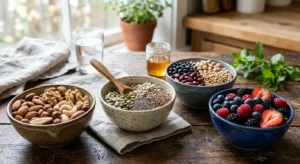
The foods most often linked to healthy fertility are whole, minimally processed and rich in healthy fats, antioxidants and plant protein. Egg growth food is not about rare ingredients; it is about everyday foods eaten consistently:
- Leafy greens: spinach, kailan, chye sim and broccoli provide folate, iron and antioxidants.
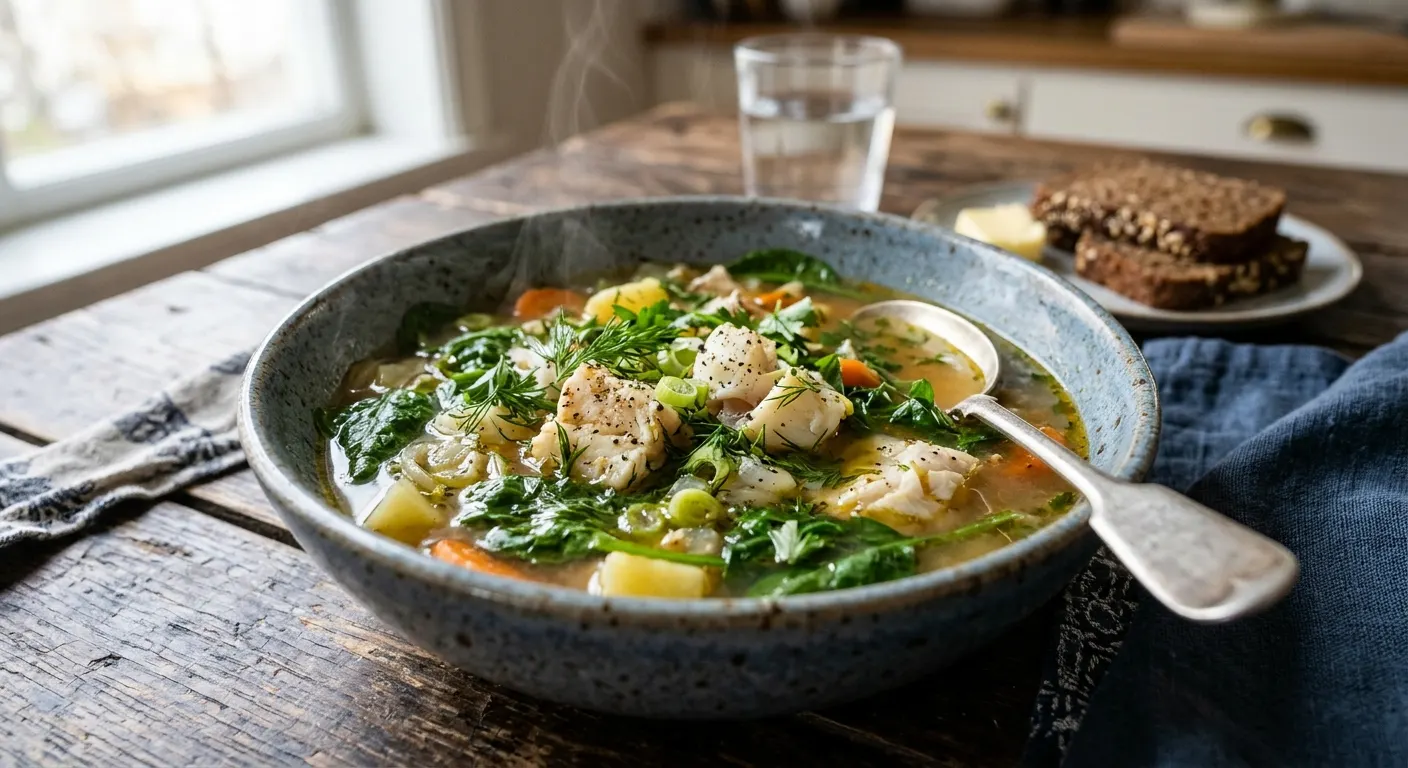
- Oily fish: salmon, sardines and mackerel provide omega-3 fats. Choose low-mercury fish and limit shark, swordfish and marlin.
- Legumes and soy: lentils, chickpeas, beans, tofu and tempeh offer plant protein, which research links with lower ovulatory infertility risk than some animal proteins.
- Whole grains: brown rice, oats, wholemeal bread and brown rice bee hoon help keep blood sugar steady.
- Nuts and seeds: walnuts, almonds, flaxseed and black sesame provide healthy fats and vitamin E.
- Colourful fruit and vegetables: berries, oranges, papaya, carrots and capsicum add a wide range of antioxidants.
- Eggs and lean protein: eggs, chicken and fish provide protein, iron and vitamin B12.
- Healthy fats: olive oil and avocado in place of deep-fried food.
How to Build an Egg Quality Diet

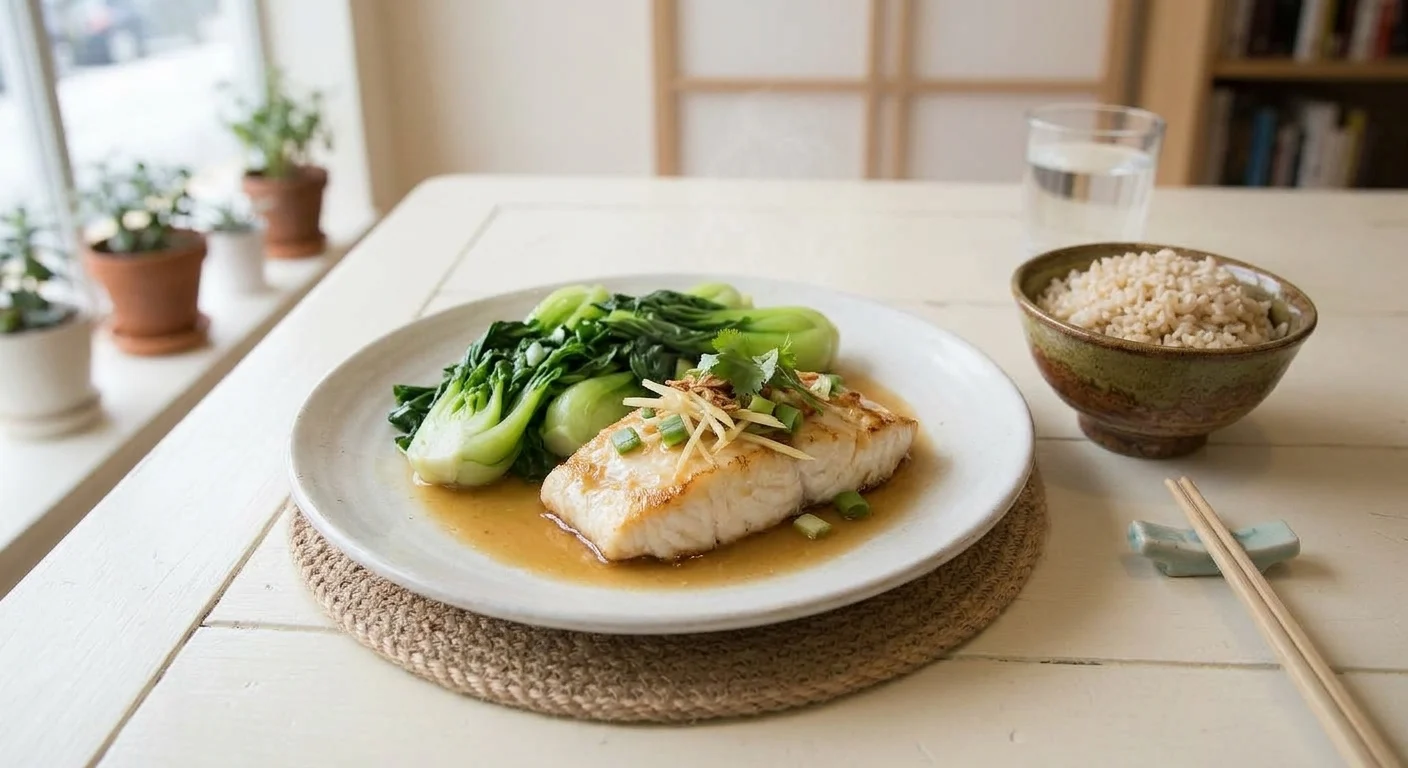
An egg quality diet works best as a steady pattern rather than a short detox. Singapore’s My Healthy Plate guide is a simple template: fill half your plate with vegetables and fruit, a quarter with whole grains and a quarter with protein such as fish, tofu, eggs or chicken.
Local swaps that make this easier include:
- Brown rice or a half-and-half mix at the economy rice stall
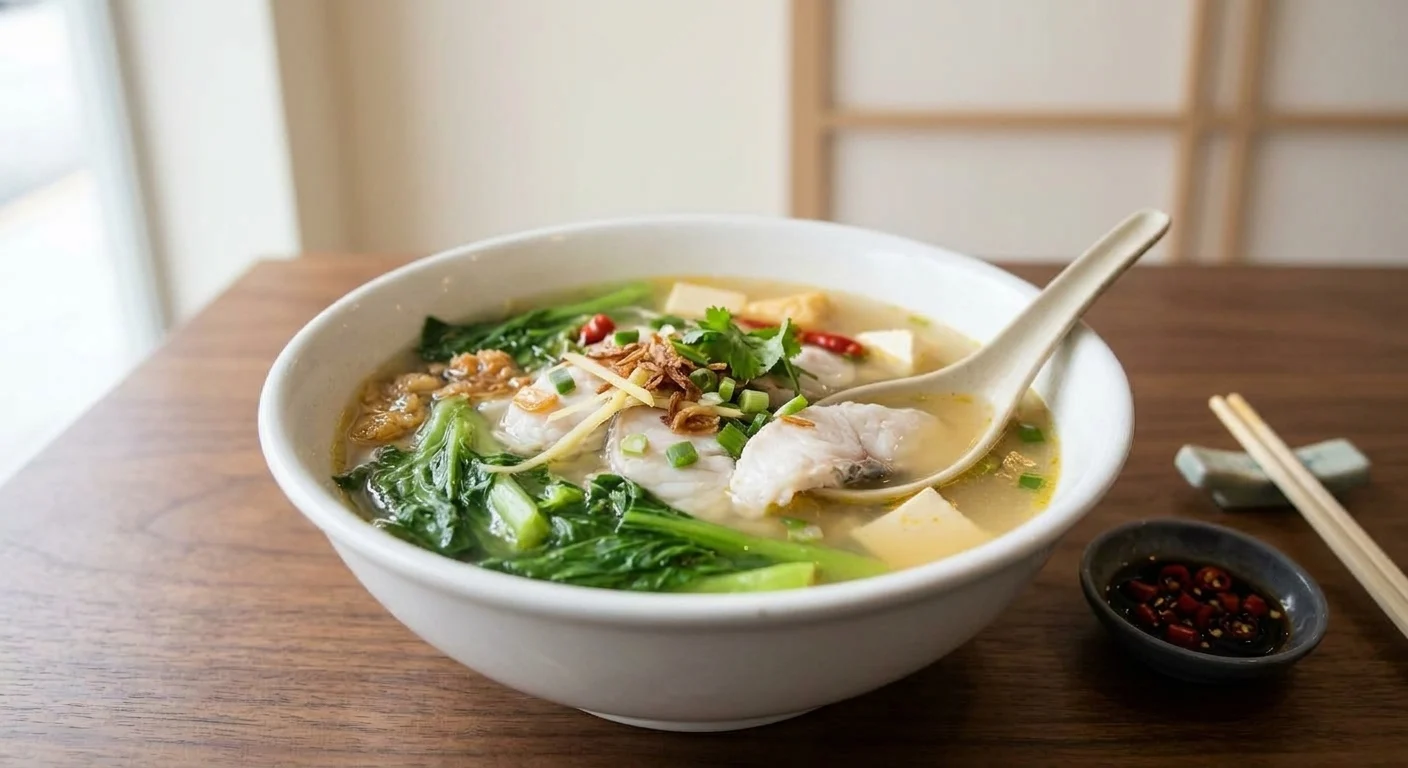
- Sliced fish soup or yong tau foo in clear soup instead of fried noodles
- A handful of nuts or fruit instead of kueh or biscuits
- Kopi or teh kosong or siew dai instead of full-sugar drinks
- Steamed, grilled or stir-fried dishes instead of deep-fried ones
HealthHub’s guide to planning meals with My Healthy Plate suggests choosing wholegrains such as brown rice or wholemeal bread, and filling the protein quarter of your plate with options like poultry, seafood, eggs, beans or tofu.
Which Foods May Work Against Egg Quality?
Some foods are consistently linked with poorer fertility outcomes, so it helps to limit them while you are preparing to conceive:
- Trans fats: found in some fried snacks, pastries and baked goods made with hydrogenated oils. Research links a small daily increase in trans fats with a higher risk of ovulatory infertility.
- Sugary drinks and refined carbohydrates: bubble tea, soft drinks and large portions of white rice or noodles can cause blood sugar spikes.
- Heavily processed meat: sausages, luncheon meat and bacon.
- Alcohol: best avoided while trying to conceive.
You do not need to cut out every treat. Small, steady changes that you can keep for three months or more matter more than a strict short-term plan.
The TCM Perspective on Egg Quality
TCM links egg quality to Kidney Jing (Essence), the body’s reproductive reserve, and to Blood, which nourishes the uterus and ovaries. When Jing or Blood is depleted, through age, stress or long-term overwork, TCM believes the body has fewer resources to support healthy follicle growth.
Food therapy in TCM focuses on nourishing these reserves while keeping digestion strong. Black foods such as black sesame and black beans are traditionally used to support the Kidneys, while eggs, red dates and dark leafy greens are used to nourish Blood. Warm, cooked meals are preferred over large amounts of raw or iced food, which TCM believes can weaken the Spleen’s ability to turn food into Blood. A TCM physician tailors these choices to your pattern after a full assessment. Our guide to the TCM fertility diet covers this approach across the menstrual cycle.
Frequently Asked Questions
What is the most important food for egg quality?
No single food stands out. The research supports an overall pattern built on vegetables, fruit, whole grains, legumes, fish and healthy fats, rather than any one “superfood”.
How long does it take for diet to affect egg quality?
Eggs mature over about three months, so it is worth keeping dietary changes in place for at least that long. If you are preparing for IVF, our IVF diet guide explains how to plan this window.
Can diet improve egg quality after 35?
Diet cannot reverse age-related changes in egg quality, but a healthy eating pattern supports your overall reproductive health at any age. If you are over 35, speaking to a doctor about tests such as AMH is a sensible step. Our page on the signs of low AMH explains when testing helps.
Why Choose Wo.men Matters
Eating well for fertility is easier with advice that suits your body. At Wo.men Matters, our TCM physicians review your cycle history and any blood test results alongside a full Traditional Chinese Medicine assessment, then build food and treatment advice that fits around your modern medical care.
Our bilingual team is here to make sure every step is clearly explained and easy to follow. Connect with our team and bring along any recent test results so we can help guide your next steps. Your matter, our matter.