
Published on: 27 October 2026
OHSS (ovarian hyperstimulation syndrome) is a complication of fertility treatment where the ovaries over-respond to stimulation medication, causing swelling and fluid to shift into the abdomen. Some bloating after egg retrieval is common, and most cases of OHSS after egg retrieval are mild and settle within 7 to 10 days. A small number become more serious and need urgent medical care. Below, you will find how to tell normal recovery from OHSS, which red flags need A&E, and how your clinic works to prevent it.
Key Takeaways
- OHSS happens when the ovaries over-respond to fertility medication, causing swelling and fluid build-up in the abdomen.
- Mild OHSS is common after retrieval and usually settles within 7 to 10 days if you are not pregnant.
- Severe abdominal pain, breathlessness, chest pain, very little urine or a swollen leg need urgent hospital care.
- OHSS prevention is clinic-led, through careful dosing, close monitoring, trigger choice and sometimes freezing all embryos.
- Traditional Chinese Medicine (TCM) is not a treatment for OHSS, but it can support recovery once your IVF doctor agrees.
What Is OHSS?
OHSS is a complication of ovarian stimulation, most often during IVF. The hormones used to grow many follicles can make the ovaries swell. Fluid can then leak from blood vessels into the abdomen, causing bloating, nausea and, in more severe cases, dehydration.
KK Women’s and Children’s Hospital (KKH) guidance on OHSS notes that some 6% to 8% of women having IVF develop mild OHSS, while the severe form affects less than 1%. Modern stimulation protocols have also made it rarer than in the past.
What Are the Symptoms of OHSS?
OHSS symptoms are usually grouped by severity:
- Mild OHSS: abdominal bloating, mild tummy pain and feeling sick.
- Moderate OHSS: the above, plus worsening swelling, vomiting or diarrhoea and a tight, full feeling in the abdomen.
- Severe OHSS: extreme thirst, dehydration, passing very little urine, rapid weight gain, a growing waistline and difficulty breathing.
When Do Symptoms Start, and How Long Do They Last?
Symptoms often appear a few days after egg retrieval. If you are not pregnant, they usually settle within 7 to 10 days, often once your period arrives. If you become pregnant, OHSS can get worse and last several weeks or longer, as explained in the Royal College of Obstetricians and Gynaecologists (RCOG) patient guide on OHSS.
When Should You Go to A&E?
Go to the nearest hospital Emergency Department (A&E), or call for an ambulance, if you have any of the following:
- Severe or rapidly worsening abdominal pain: this always needs urgent assessment.
- Shortness of breath or chest pain: fluid can build up around the lungs in severe OHSS.
- Very little or dark urine: a sign of dehydration and strain on the kidneys.
- A painful, swollen or red leg: this can signal a blood clot.
- Sudden, sharp one-sided pain with vomiting: this can signal a twisted ovary (ovarian torsion).
- Fainting or being unable to keep fluids down: you may need fluids through a drip.
Tell the hospital team that you recently had egg retrieval and bring your medication list. For milder concerns, call your IVF clinic early rather than waiting.
Who Is More Likely to Develop OHSS?
Women who respond strongly to stimulation carry a higher risk. Your clinic watches for this through monitoring scans and blood tests. Risk factors include:
- PCOS: women with PCOS often grow many follicles at once.
- High AMH or many small follicles: both point to a large ovarian response.
- Younger age and lower body weight.
- A previous episode of OHSS.
- High oestrogen levels during stimulation, or pregnancy after a fresh transfer.
How to Prevent OHSS
OHSS prevention is led by your IVF clinic. If you are at higher risk, your doctor may lower your medication dose, use an antagonist protocol, choose a different trigger injection, or freeze all embryos and transfer them in a later cycle. Some clinics also prescribe medication such as cabergoline for women at higher risk, and women who develop OHSS may be given blood-thinning injections to lower the risk of clots. Your part is to attend every monitoring appointment, report symptoms early, and never change your medication without your doctor’s advice.
How Is Mild OHSS Managed at Home?
Most mild cases can be managed at home with your clinic’s guidance:
- Fluids: drink as your clinic advises, without forcing large amounts, and track how much you drink and pass.
- Daily checks: weigh yourself and measure your waist each morning, and report sudden increases.
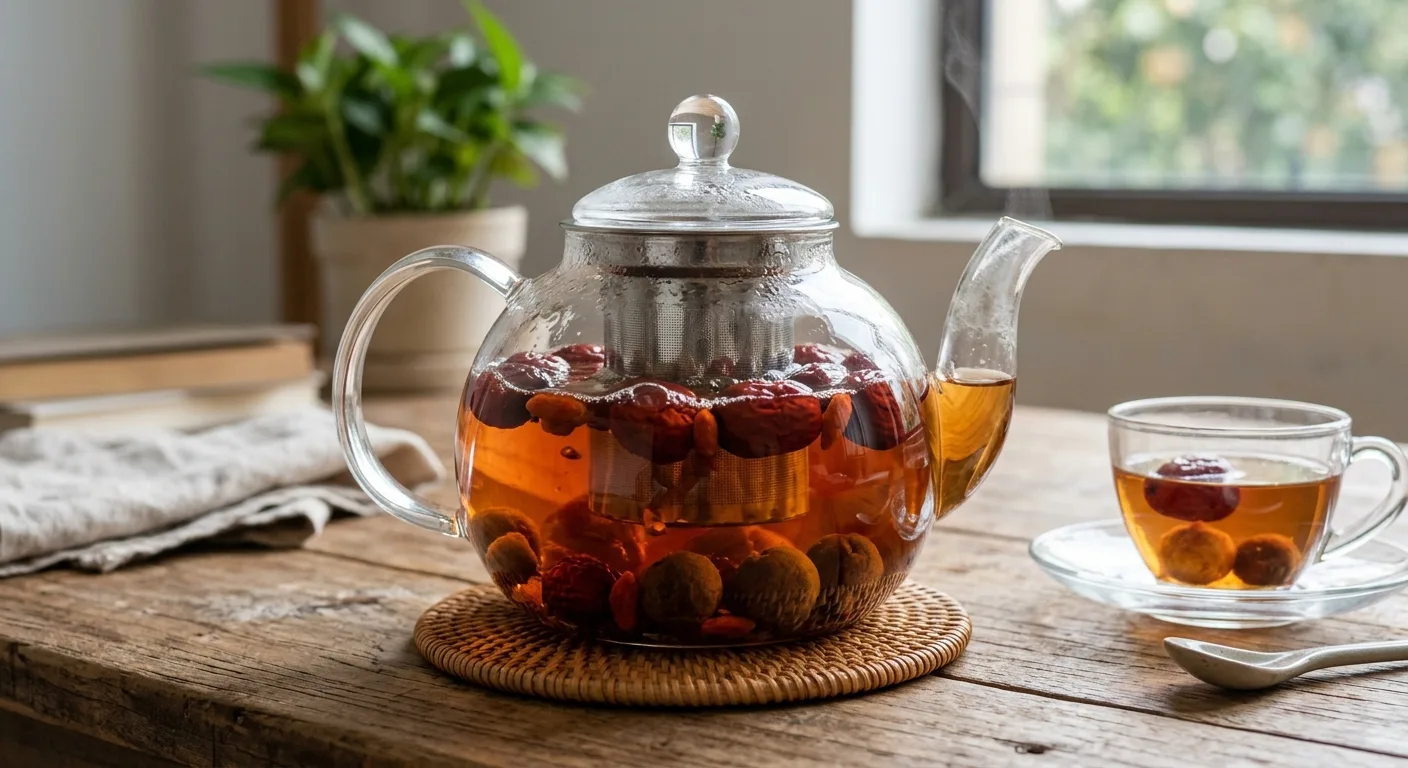
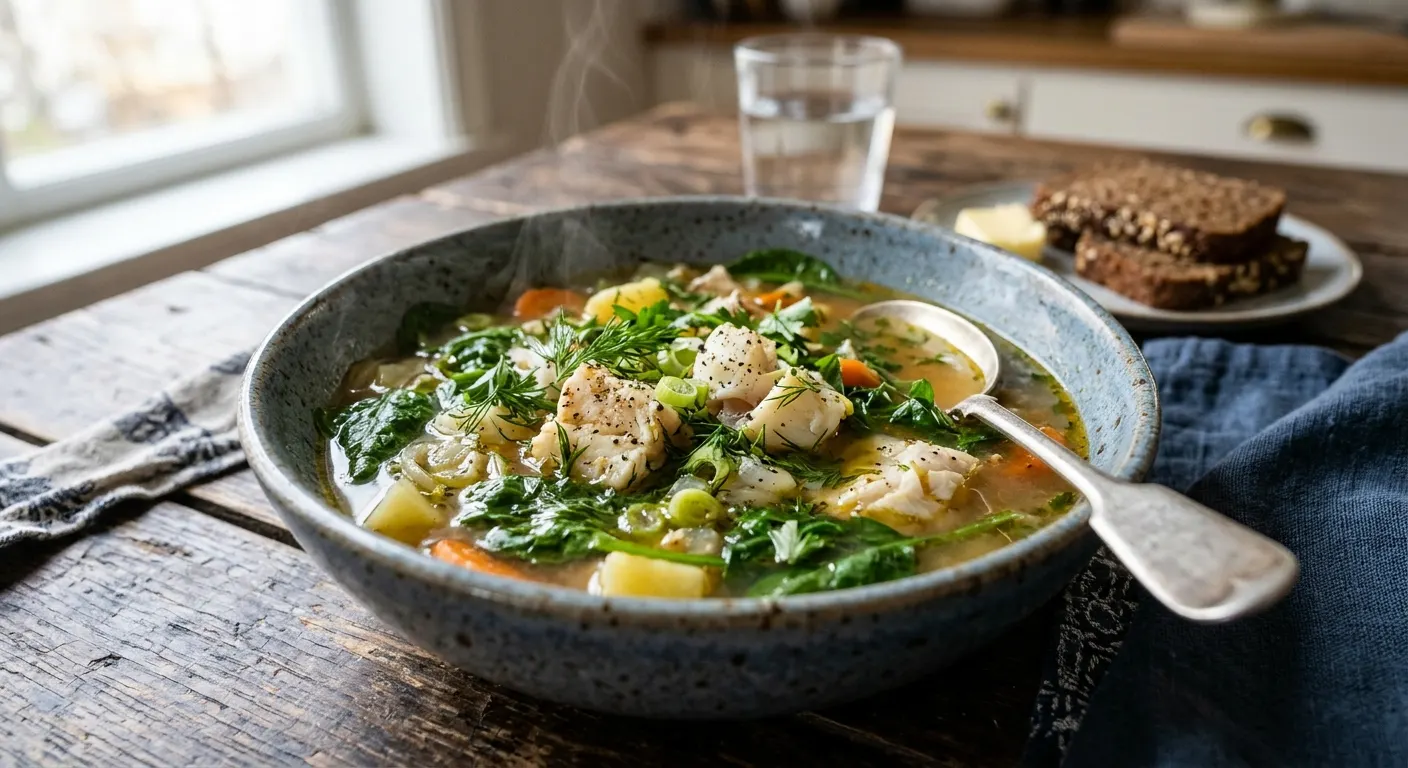
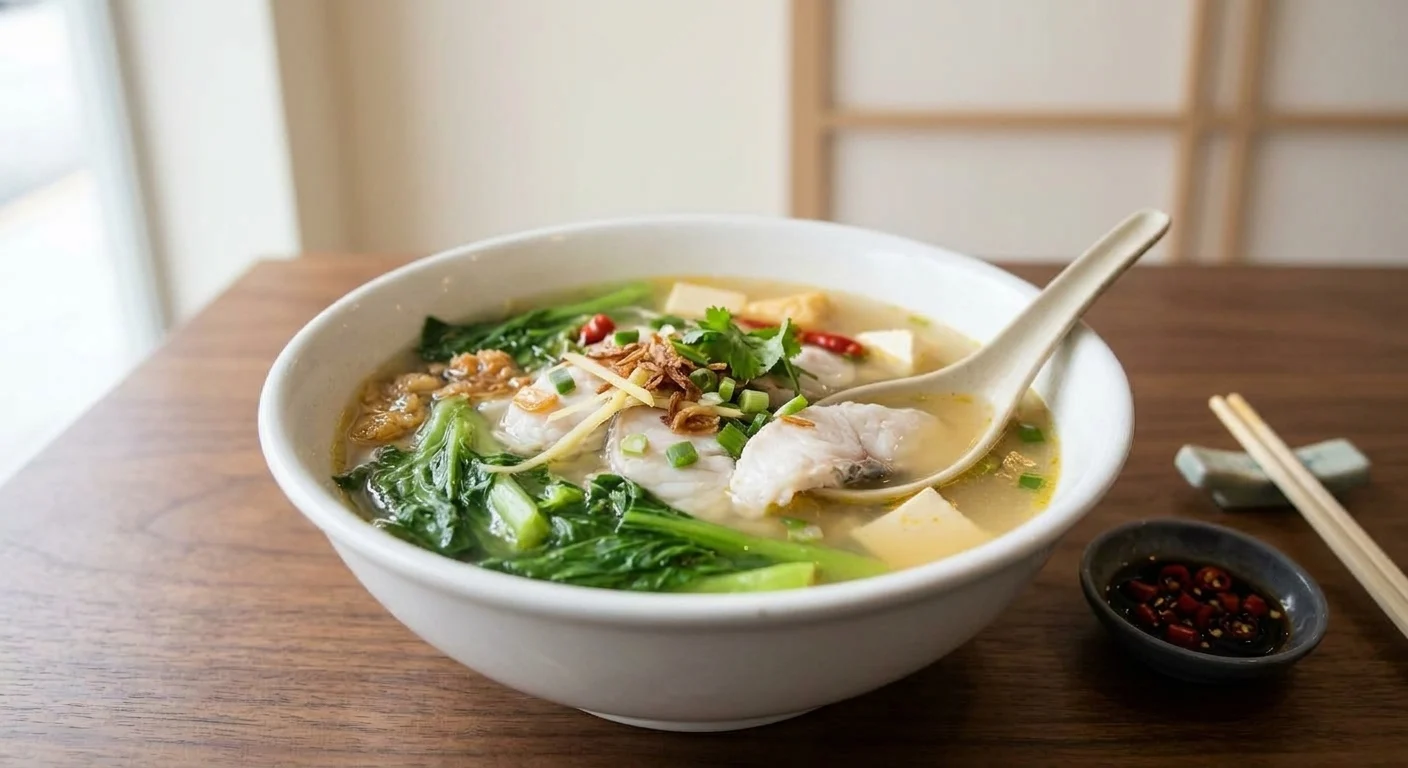
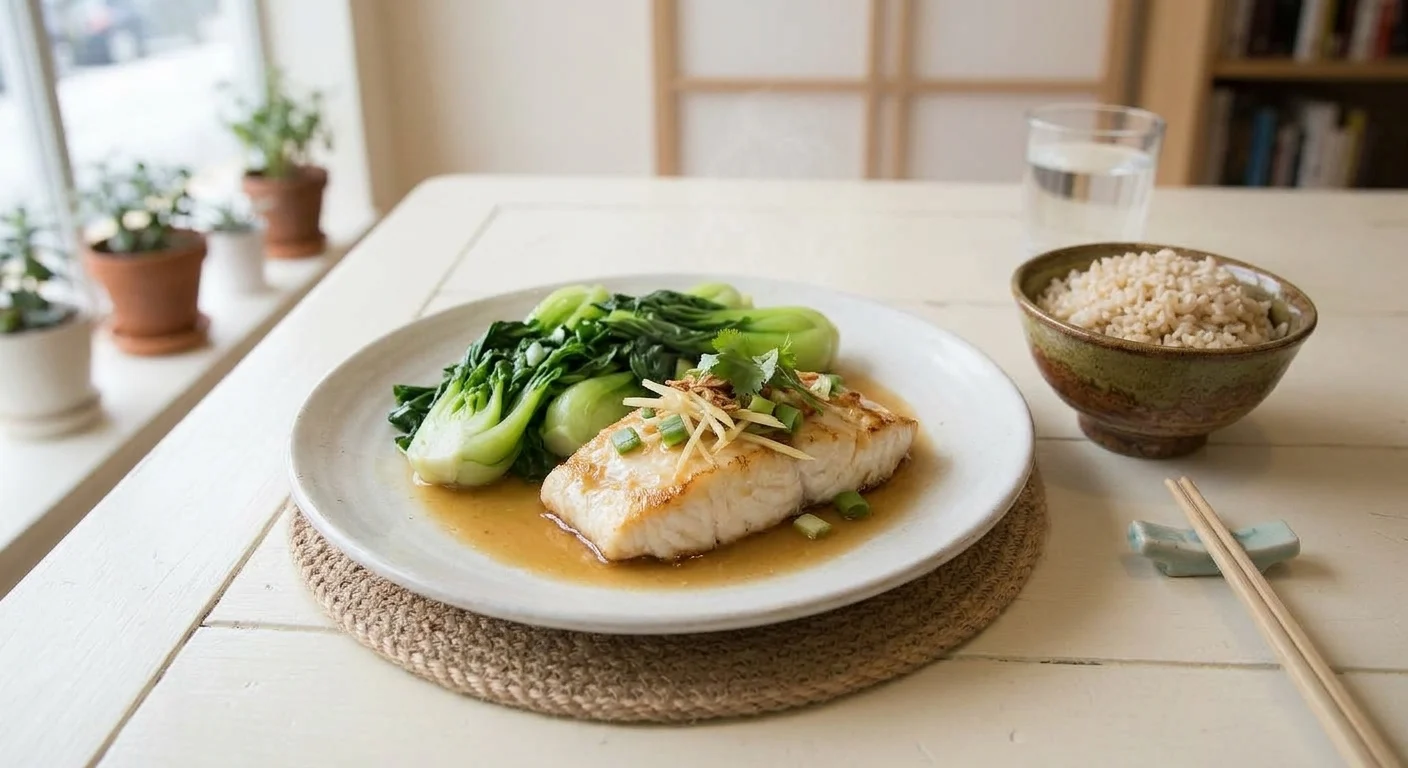
- Food: eat small, protein-rich meals. If your IVF clinic advises it, egg whites or an isotonic drink can be part of this recovery diet.
- Pain relief: paracetamol is usually advised. Avoid anti-inflammatory painkillers such as ibuprofen, which can affect the kidneys, unless your doctor says otherwise.
- Rest and gentle movement: rest, but keep moving around the house to support circulation.
- Activity: avoid strenuous exercise and sex until your clinic says it is safe.
The TCM Perspective on Recovery After OHSS
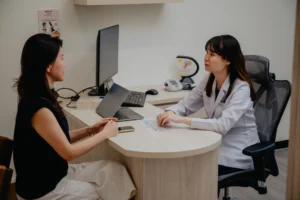
In TCM, the heaviness and fluid retention of OHSS resemble a disruption in how the Spleen transforms and moves fluids, often alongside Qi stagnation. This view guides gentle care later on, but OHSS itself is a medical condition that must be managed by your IVF team.
At Wo.men Matters, we do not give herbs or acupuncture during active OHSS unless your IVF doctor agrees. Once you have recovered, Customised Traditional Chinese Medicine, acupuncture and Womb Care Therapy aim to rebuild Qi and Blood before your next step, often a frozen embryo transfer.
Frequently Asked Questions
Is bloating after egg retrieval normal?
Yes, mild bloating is common for a few days. Bloating that keeps growing, or comes with vomiting, breathlessness or reduced urine, is not normal and needs a call to your clinic.
Can I still have my embryo transfer if I develop OHSS?
Often not straight away. Your clinic may freeze your embryos and plan a frozen transfer once you recover, so pregnancy hormones do not make OHSS worse.
Can OHSS happen again in a future cycle?
Yes. A history of OHSS increases your risk in subsequent IVF cycles. Always inform your fertility clinic so they can adjust your protocol (such as lowering hormone doses or opting for a freeze-all cycle) to minimise risk.
Why Choose Wo.men Matters
Recovering from a difficult cycle calls for care that respects your medical team’s plan. At Wo.men Matters, our TCM physicians review your IVF history and current recovery alongside a full Traditional Chinese Medicine assessment, then build a gentle plan that fits around your fertility clinic’s advice, never in place of it.
Our bilingual team is here to ensure every step of your care is clearly communicated and understood. Connect with our team when you are ready to prepare for your next step. Your matter, our matter.