
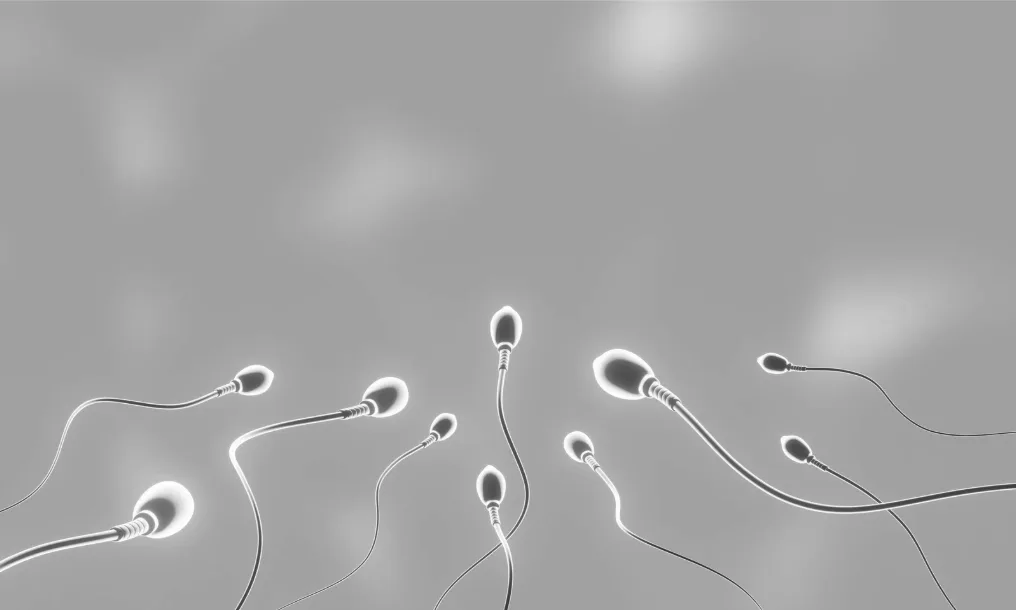
Following a diagnosis of azoospermia, the focus shifts to how the condition is managed through professional support. In Singapore, a combination of medical science and Traditional Chinese Medicine (TCM) is often used to address male fertility. This joint approach is designed to improve general health and restore internal balance. TCM is utilised to support the body’s natural functions alongside conventional care. By focusing on these established pathways, a clearer structure is provided for those looking to maintain their wellbeing while living with a zero sperm count.
What is Azoospermia?
Azoospermia is the absence of sperm in a semen sample. It affects approximately 1% of all men and accounts for roughly 10–15% of male infertility cases worldwide. It is important to understand is that azoospermia doesn’t always mean you aren’t producing sperm; sometimes, it’s simply a matter of the sperm being unable to get out.
Defining Zero Sperm Count in Semen Analysis
A standard semen analysis identifies this condition. A single sample is never enough. Specialists confirm the diagnosis by assessing multiple samples over several weeks, utilising high-speed centrifugation to check for any hidden, low-level sperm cells.
Common Symptoms and How It Is Detected
Most men with azoospermia have no outward symptoms. There is usually no pain, no changes in sexual function, and no obvious physical signs. It is almost always discovered incidentally when a couple is struggling to conceive.
Diagnosis starts with a semen analysis. If two separate samples confirm zero sperm, the next steps typically include:
- Blood tests measuring FSH, LH, and testosterone levels
- Scrotal ultrasound to assess testicular volume and detect blockages
- Genetic testing (e.g., karyotype, Y-chromosome microdeletion)
Primary Causes of Azoospermia
Azoospermia can arise from several underlying causes, ranging from hormonal imbalances to lifestyle factors and rare genetic conditions. At Wo.men Matters, we look at both the clinical data and your daily environment to see what might be suppressing your fertility.
Non-Obstructive vs. Obstructive Azoospermia
There are two distinct types of azoospermia, and the distinction matters greatly for treatment planning.
| Type | Cause | Sperm Present in Testes? | TCM Perspective |
|---|---|---|---|
| Non-Obstructive (NOA) | Production failure in the testes | Rarely, and in very low numbers | Kidney Essence (Jing) Deficiency |
| Obstructive (OA) | Physical blockage in reproductive tract | Yes, but cannot exit | Blood Stasis or Damp-Heat |
Hormonal Imbalances and Genetic Factors
The signalling chain between the brain and the testes controls how the body makes sperm. Disruption in hormones (like elevated prolactin or low FSH) can shut down production entirely. Similarly, genetic factors like Y-chromosome microdeletions play a role in non-obstructive cases.
Lifestyle Factors and Environmental Stressors
In a high-pressure environment like Singapore, lifestyle factors often compound fertility issues:
- Heat Exposure: Frequent saunas, hot baths, or even sitting for long hours can raise scrotal temperature and halt sperm production.
- Chronic Stress: High cortisol levels interfere with the body’s natural testosterone production.
- Toxins: Smoking, excessive alcohol, and certain supplements (like anabolic steroids) are known to cause acquired azoospermia.
TCM Perspective: Restoring Kidney Essence (Jing)
In Traditional Chinese Medicine, we don’t just look at the sperm count; we look at the soil in which the sperm grows. We view azoospermia as a sign of a deeper internal imbalance.
The Role of Kidney Deficiency in Sperm Production
Jing (essence) is the constitutional foundation of life, stored in the kidneys and governing growth, development, and reproduction. Kidney Yang Deficiency often causes low sperm motility and low sperm count. Kidney Yin Deficiency may cause hormone imbalance and poor sperm quality. Nourishing Kidney Essence through herbs and acupuncture is central to the TCM approach for male fertility.
Addressing Blood Stasis and Damp-Heat
Obstructive azoospermia maps closely onto the TCM pattern of Blood Stasis and/or Damp-Heat obstruction in the lower Jiao. It is similar to a channel that has become congested. TCM treatment aims to move stagnant Qi and Blood, reduce inflammation, and restore the free flow of energy through the reproductive meridians.
Balancing the Liver and Spleen Meridians
Chronic stress and poor diet often weaken the Liver and Spleen meridians, reducing the flow of Qi to the lower Dantian (丹田 or energy centre). When these systems are supported, circulation to the testes and epididymis can improve, creating better conditions for sperm development and transport.
TCM Treatments for Azoospermia in Singapore
At Wo.men Matters, our TCM physicians design personalised treatment plans based on your unique TCM pattern diagnosis. We work collaboratively with your urologist or fertility specialist. We don’t replace medical intervention; we optimise your body’s response to it.
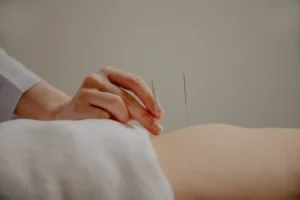
Fertility Acupuncture for Reproductive Blood Flow
Targeted acupuncture points are used to stimulate circulation, the body’s internal environment and address oxidative stress as part of a structured fertility support plan. Commonly used points include:
- CV6 (Qihai): Tonifies Kidney Qi and supports hormonal balance
- RN4 (Guanyuan): Strengthens the lower Dantian and nourishes Jing
- ST29 (Guilai): Improves pelvic blood flow and supports testicular microcirculation
Traditional Chinese Medicine Formulations
TCM formulas are adapted and personalised for each patient. Ingredients such as cuscuta seed, wolfberry, and schisandra are used to nourish the kidneys, support sperm DNA integrity, and regulate hormonal function. All herbal formulations are prescribed and dispensed under the supervision of qualified TCM physicians.
An Integrative Approach: How TCM Complements Assisted Reproductive Technology
Combining TCM care with Western fertility treatments creates a strategy to optimise cellular health and improve clinical pregnancy outcomes.
Optimising Sperm Quality and DNA Integrity Prior to Extraction Surgery
For men undergoing surgical retrieval procedures like Microsurgical Epididymal Sperm Aspiration (MESA), Percutaneous Epididymal Sperm Aspiration (PESA), or Testicular Sperm Extraction (TESE), a preparatory course of traditional therapy helps reduce oxidative stress and lower DNA fragmentation, supporting the quality of the retrieved focal cells.
Supporting Couples Simultaneously Throughout IVF and ICSI Journeys
Addressing the health of both partners simultaneously yields better collective results. While optimising the man’s baseline cellular health, corresponding treatments prepare the woman’s body for successful embryo implantation.
Why the 3-Month Treatment Timeline Matters
The biological timeline for sperm generation takes approximately 74 to 90 days. Using TCM consistently during this time can help improve the quality of the sperm retrieved for In-Vitro Fertilisation (IVF) or Intracytoplasmic Sperm Injection (ICSI).
Frequently Asked Questions About Azoospermia
Is Azoospermia the Same as Permanent Male Sterility?
No, it is not permanent sterility. A zero reading in ejaculate does not mean biological fatherhood is impossible. It often indicates that sperm are either blocked or produced in lower amounts within the testes, making sub-fertility manageable.
Can a Man with Azoospermia Father a Child?
Yes, it is often possible. Men with obstructive azoospermia can often successfully father children through surgical sperm retrieval and IVF/ICSI. TCM helps by ensuring your body is in peak condition, potentially improving the quality of the retrieved sperm.
Can sperm come back after azoospermia?
If the cause is lifestyle-based (like heat, stress, or steroid use), sperm counts can sometimes recover once those factors are removed and the body is supported with TCM. For genetic or structural blockages, we focus on support for IVF.
How long does TCM treatment take for male fertility?
Because the spermatogenesis cycle spans 75 to 90 days, TCM physicians typically recommend a minimum commitment of three to six months. Consistency matters far more than intensity.
Why Choose Wo.men Matters for TCM Support
Wo.men Matters is a TCM fertility clinic in Singapore, dedicated to supporting men and women on their path to parenthood. Our TCM physicians hold qualifications in TCM and work collaboratively with reproductive specialists to provide truly integrative care. We take time to understand your medical history, your TCM pattern, and your personal goals before recommending any treatment.
If you have received an azoospermia diagnosis and would like to understand how TCM may support your fertility journey, we welcome you to book a consultation with our team.