Published on: 27 October 2026
A TCM fertility diet is a way of eating that nourishes Qi and Blood, keeps digestion strong, and supports the Kidney system that Traditional Chinese Medicine (TCM) links to reproduction. In practice, it means warm, cooked, whole foods such as leafy greens, eggs, fish, legumes, whole grains and black sesame, with fewer iced drinks and processed snacks. Modern nutrition research points in a similar direction, linking balanced eating patterns with healthier ovulation.
Key Takeaways
- A TCM fertility diet favours warm, cooked, easy-to-digest meals that nourish Qi and Blood and support Kidney Jing (Essence).
- Foods that promote fertility include leafy greens, eggs, low-mercury oily fish, legumes, whole grains, nuts, seeds and black foods such as black sesame.
- Research links healthy eating patterns with lower rates of ovulation-related infertility, but no diet can guarantee a pregnancy.
- TCM adjusts what you eat to your body pattern and to each phase of your menstrual cycle, rather than using one fixed menu.
- Folic acid should start around three months before trying to conceive, and tonic foods or herbs are best taken after a TCM assessment.
How Does Traditional Chinese Medicine View Food and Fertility?
TCM treats food as daily medicine. Every food has a nature, such as warming, cooling or neutral, and an action on specific organ systems. For fertility, the focus falls on three systems: the Kidneys, which store your reproductive reserve (Jing); the Spleen, which turns food into Qi and Blood; and the Liver, which keeps Qi and Blood moving smoothly through the cycle.
When digestion is weak or the body runs cold, TCM believes the Spleen cannot make enough Blood to nourish the uterus and ovaries. This is why a fertility-focused plate leans towards cooked, gently warming food, and away from heavy amounts of raw salad, iced drinks and greasy fried food.
What Foods Promote Fertility?
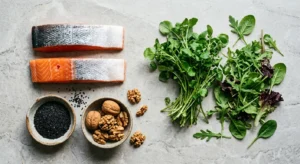
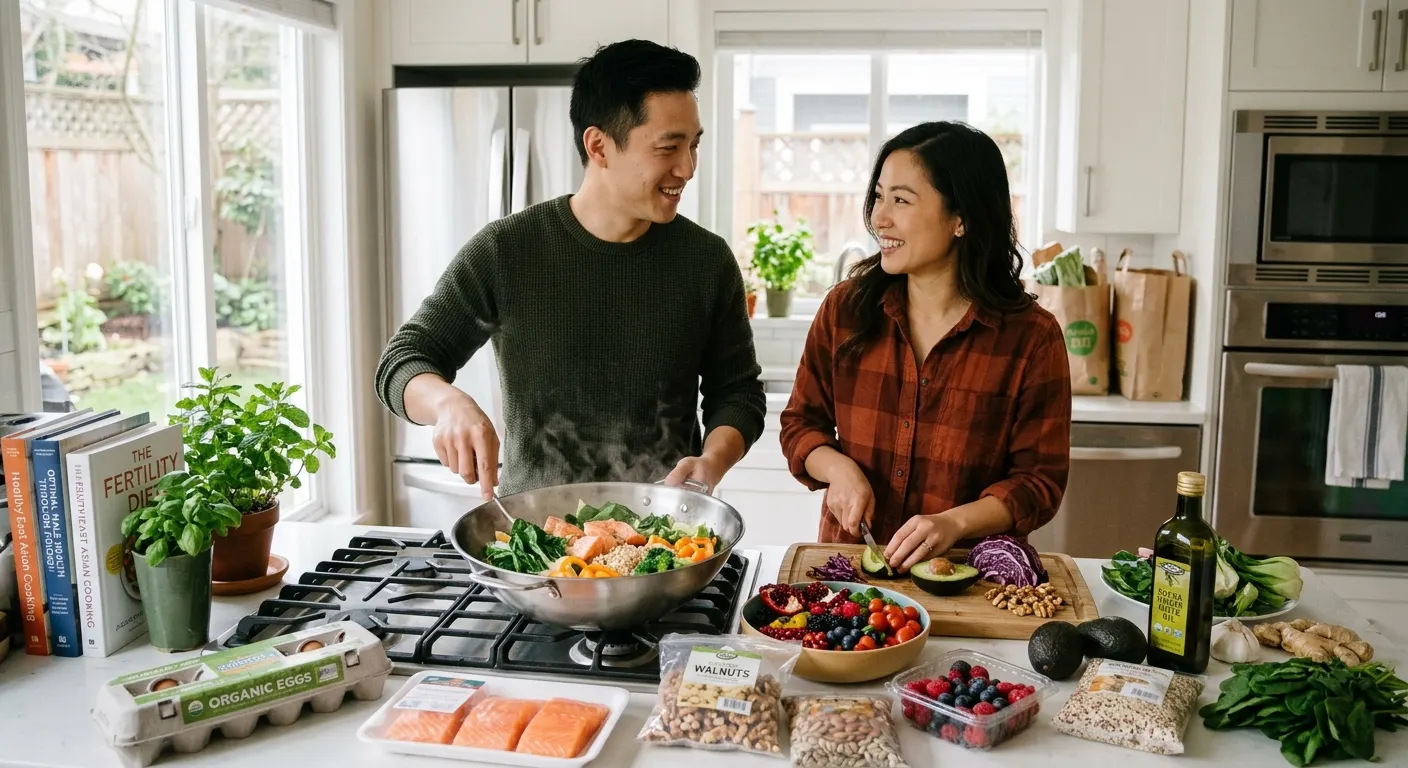
Foods that promote fertility are whole, nutrient-dense foods that support egg health, a well-nourished uterine lining and steady hormones. In TCM terms, they build Blood and Kidney Jing while staying easy to digest. Fertility friendly foods include:
- Leafy greens: spinach, kailan and chye sim provide folate and iron, and TCM sees dark greens as Blood-nourishing.
- Eggs and lean protein: eggs, chicken and lean beef supply protein, iron and vitamin B12 to build Qi and Blood.
- Low-mercury oily fish: salmon, sardines and mackerel provide protein and omega-3 fats.
- Black foods: black sesame, black beans and black rice are traditionally used to support the Kidneys.
- Whole grains and roots: brown rice, oats, sweet potato and pumpkin give fibre and steady energy, and strengthen the Spleen.
- Nuts and seeds: walnuts, almonds and flaxseed add healthy fats and vitamin E.
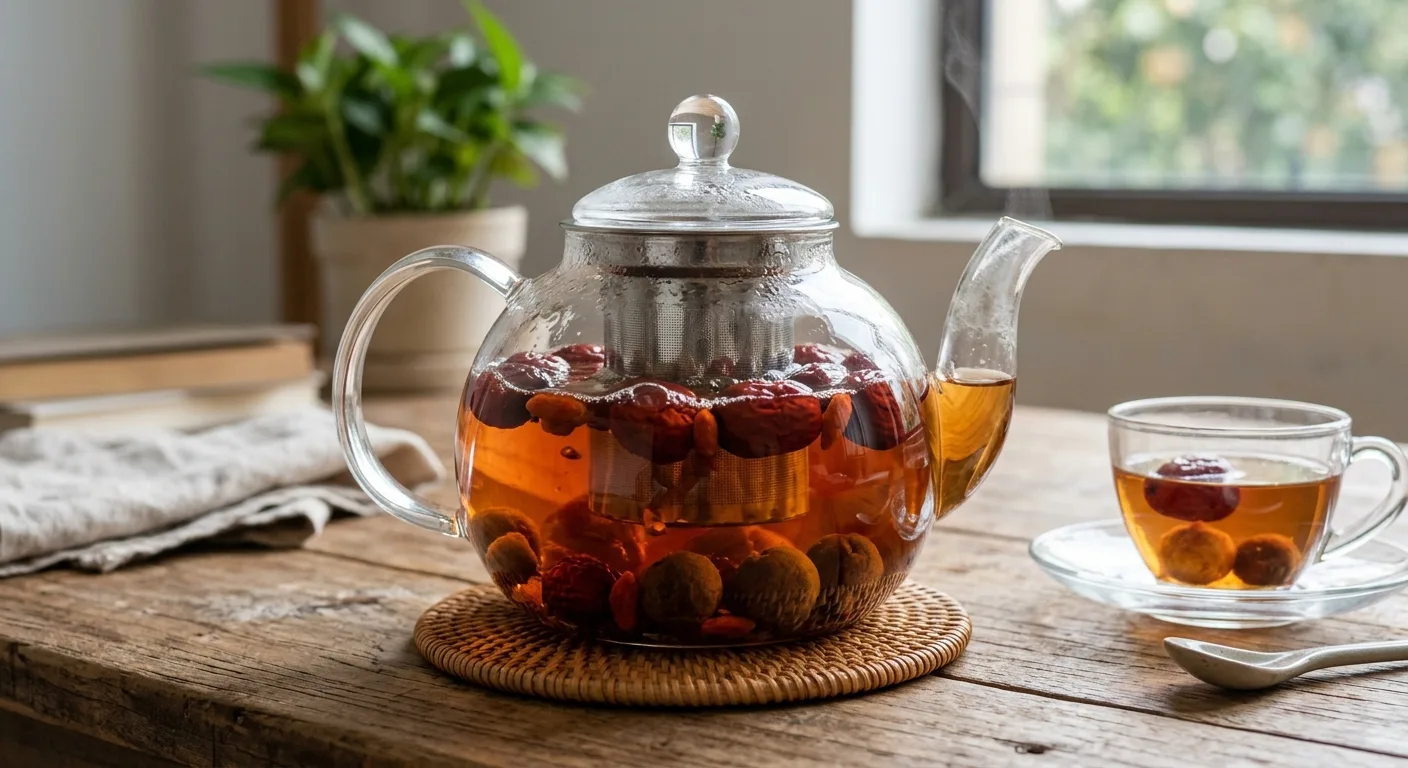
- Gentle nourishing foods: warming ginger, plus red dates and goji berries to nourish Blood, in small, regular amounts.
Fertility Friendly Swaps for Singapore Meals
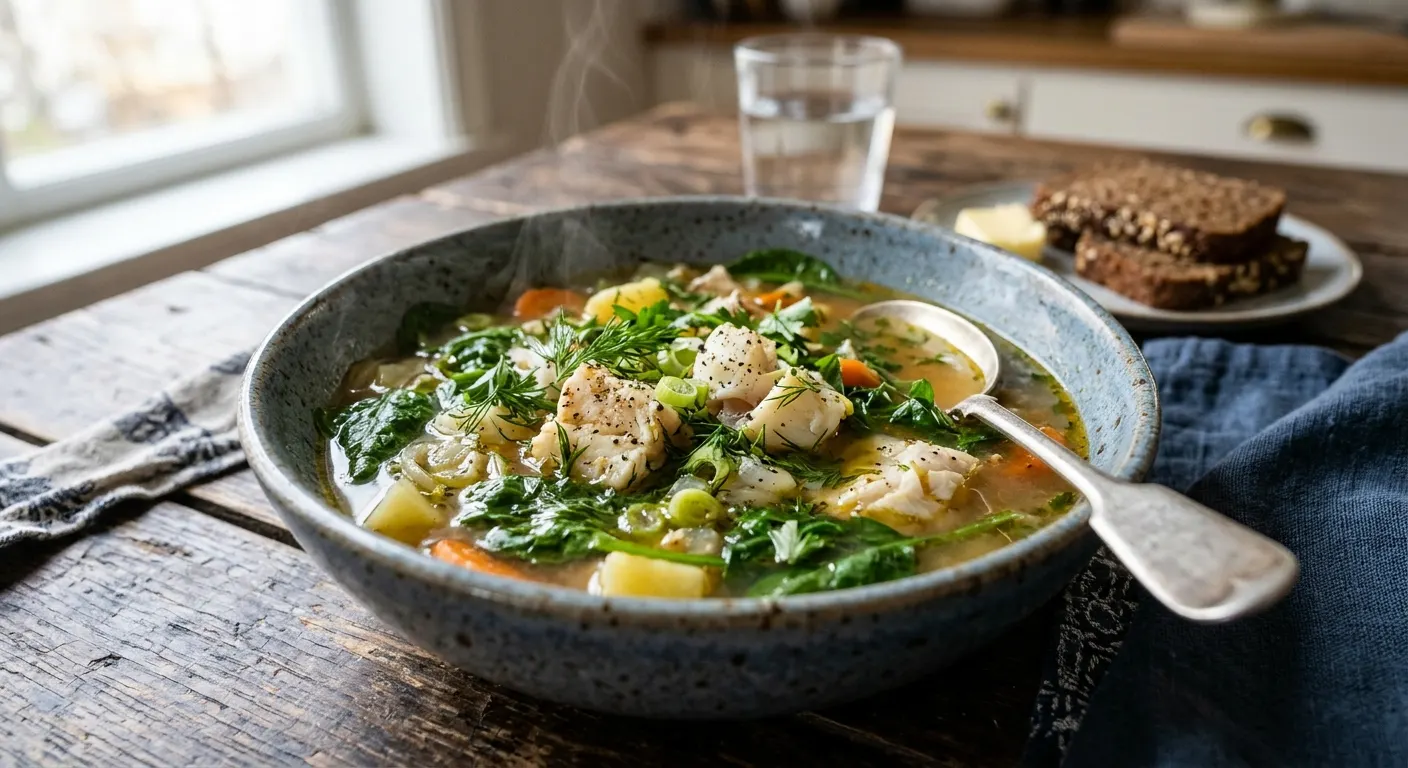
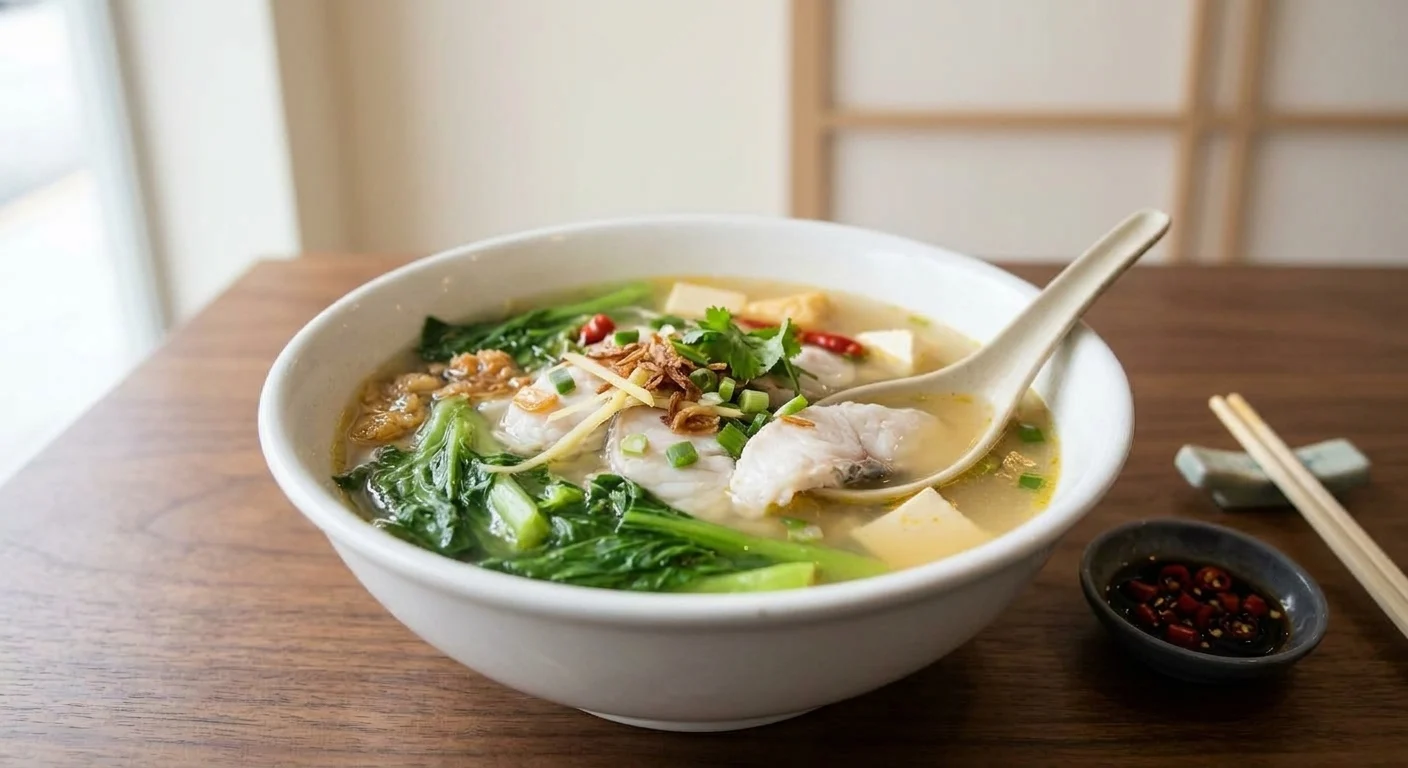
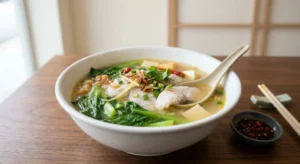
Local favourites can fit easily into a fertility diet. The Health Promotion Board’s My Healthy Plate is a simple template: half your plate fruit and vegetables, a quarter whole grains and a quarter protein. Swap white rice for brown rice or a half-and-half mix, choose sliced fish soup over fried noodles, and order your kopi or teh kosong or siew dai to cut sugar. A warm bowl of black sesame paste or red date tea makes a better dessert than iced drinks or bubble tea.
Does a Fertility Diet Actually Work?
Yes, research indicates that a healthy diet can support reproductive health, though it does not eliminate underlying fertility conditions. A comprehensive review of diet and fertility research (Gaskins & Chavarro, 2018) found that overall healthy eating patterns (rich in whole grains, fruits, vegetables, seafood, and unsaturated fats) are consistently linked to better fertility and improved outcomes in fertility treatments. Key nutrients like supplemental folic acid also stand out for their positive association with reproductive success. Furthermore, large observational research cited in the review demonstrates that adhering to multiple healthy diet and lifestyle habits is associated with a substantially reduced risk of ovulatory infertility.
However, these findings reflect observational associations rather than definitive proof that specific foods cause pregnancy. Clinical factors such as age, egg reserve, sperm quality, and underlying conditions like PCOS remain primary drivers of fertility. Nutrition is best viewed as a daily, modifiable aspect of proactive fertility care alongside medical evaluation.
How Do You Eat for Your Body Pattern?
TCM physicians tailor food advice to your pattern, read from your cycle, energy, digestion, tongue and pulse. Common patterns in women trying to conceive include:
- Blood deficiency: light or short periods, pale complexion and dizziness. Focus on eggs, dark greens, red dates and lean red meat.
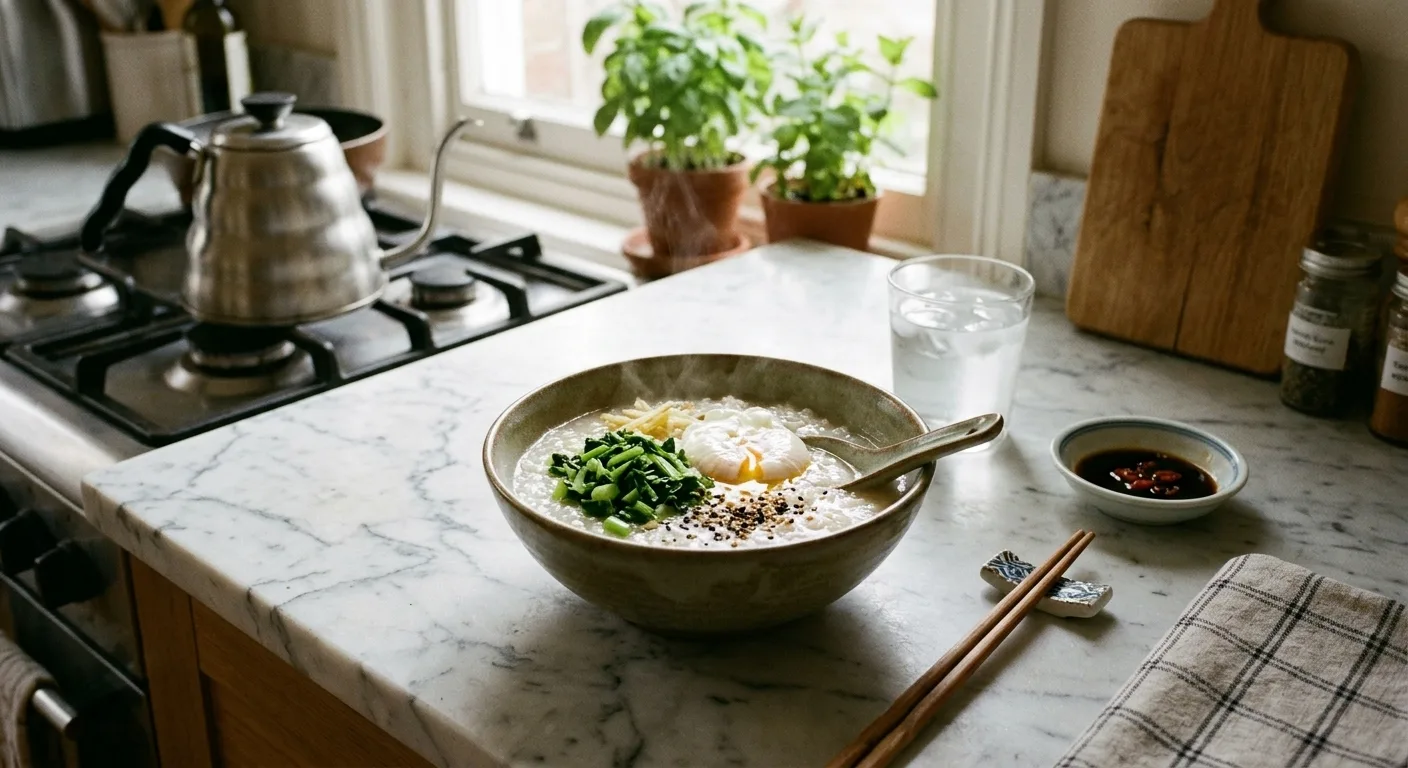
- Spleen Qi deficiency: bloating after meals, loose stools and tiredness. Focus on warm congee, soups and simple cooked meals.
- Kidney Yang deficiency: cold hands and feet, low back ache and feeling chilly in air-conditioning. Focus on warming foods and skip iced drinks.
- Dampness: a heavy feeling, sluggish digestion and excess discharge. Focus on lighter meals with fewer fried and sugary foods.
From a Western view, these signs can overlap with low iron, unstable blood sugar or underlying menstrual disorders, so they are worth checking with a doctor too.
What Should You Eat Through Each Phase of Your Cycle?
TCM divides the cycle into four phases, and shifting your meals with them is a simple way to put food that helps fertility in female bodies to work:
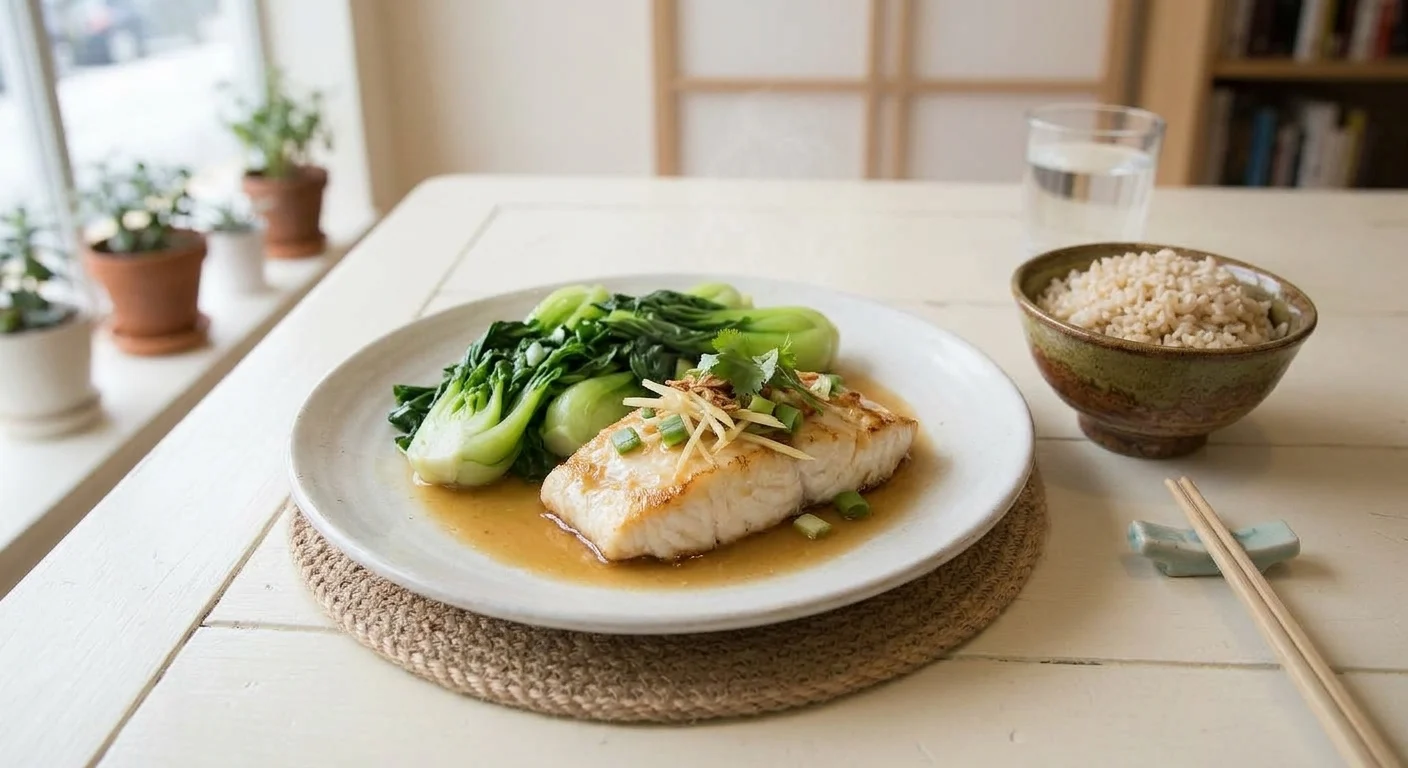
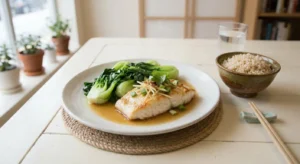
- Menstrual phase (around days 1 to 5): warm soups, congee and steamed fish to support smooth flow.
- Follicular phase (around days 6 to 13): Blood-building protein, eggs, greens and black sesame to support follicle growth.
- Ovulation (around mid-cycle): balanced meals and good hydration.
- Luteal phase (after ovulation): warming, cooked foods and steady protein. See how TCM supports the luteal phase.
Singapore health guidance advises starting daily supplementation around three months prior to conception (HealthXchange / KKH Guidance).
What About Foods to Limit?
What you cut back on matters as much as what you add. In general, limit iced drinks, deep-fried and highly processed food, sugary desserts and bubble tea, alcohol and excess caffeine.
How Can Traditional Chinese Medicine Support Your Fertility Diet?

Food therapy works best when it fits your body. A TCM physician first identifies your pattern, then builds a plan that may combine personalised food advice with Customised Traditional Chinese Medicine, acupuncture, needleless meridian therapy (Baliao therapy) and Womb Care Therapy for cold-type patterns. The aim is steadier cycles, better energy and a body that feels ready to support a pregnancy.
Frequently Asked Questions
What should I eat when trying to conceive?
A balanced diet built on cooked vegetables, quality protein, whole grains and healthy fats, plus folic acid. From a TCM view, choose warm, home-cooked meals that nourish Blood and keep digestion strong.
Can I drink herbal soups while trying to conceive?
Often, yes. Gentle soups suit many women, but tonic herbs such as dang gui or ginseng do not suit every body. Check with a TCM physician first, especially if you are on fertility medication.
Should my partner follow a fertility diet too?
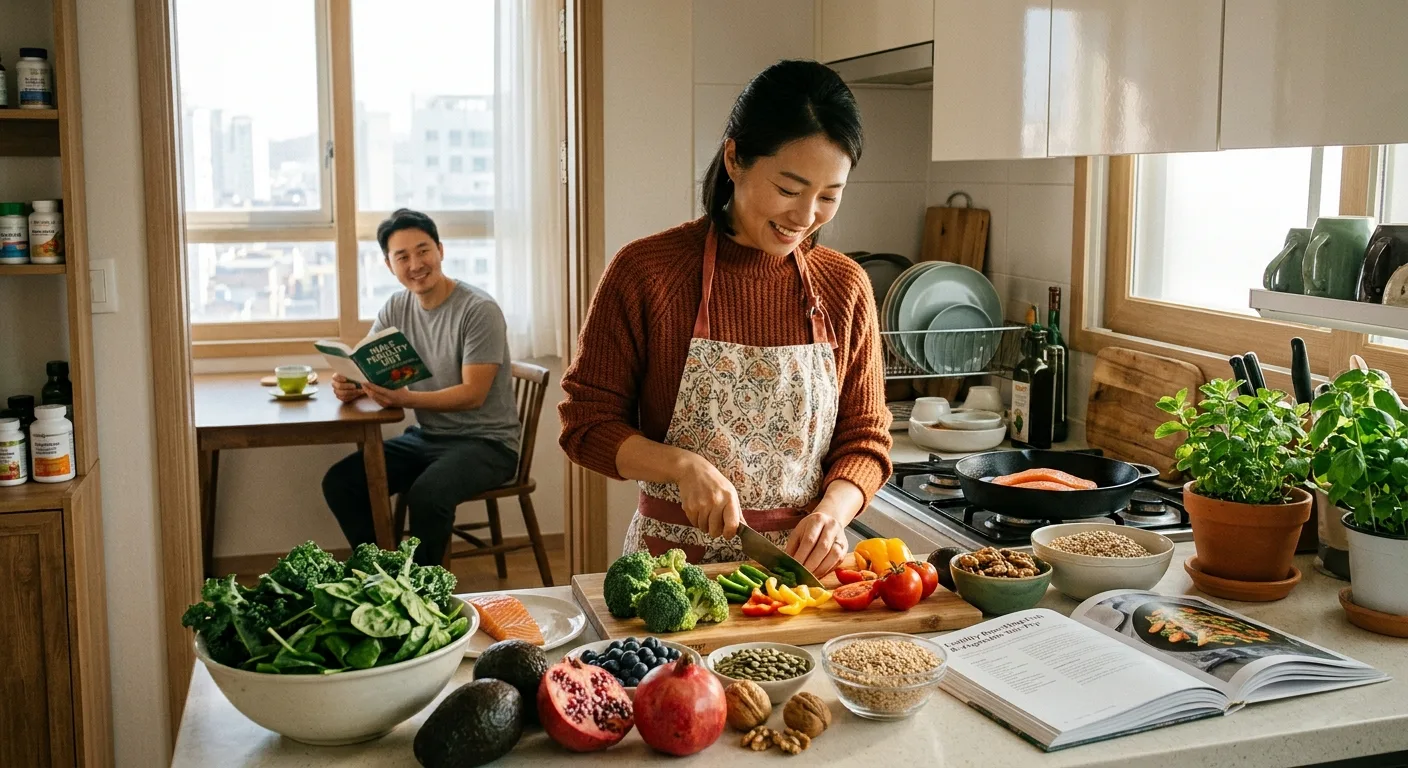
Yes. Sperm health also responds to diet and lifestyle. Our guide on how to improve sperm quality covers the male side.
Why Choose Wo.men Matters
A fertility diet works best when it is matched to your body and coordinated with your medical care. At Wo.men Matters, our TCM physicians review your cycle history and any blood test results alongside a full Traditional Chinese Medicine assessment, then build a food and treatment plan that fits around your GP or gynaecologist’s advice.
Our bilingual team is here to make sure every step is clearly explained and easy to follow. Connect with our team and bring along any recent test results so we can help guide your next steps. Your matter, our matter.