Published on: 28 October 2026
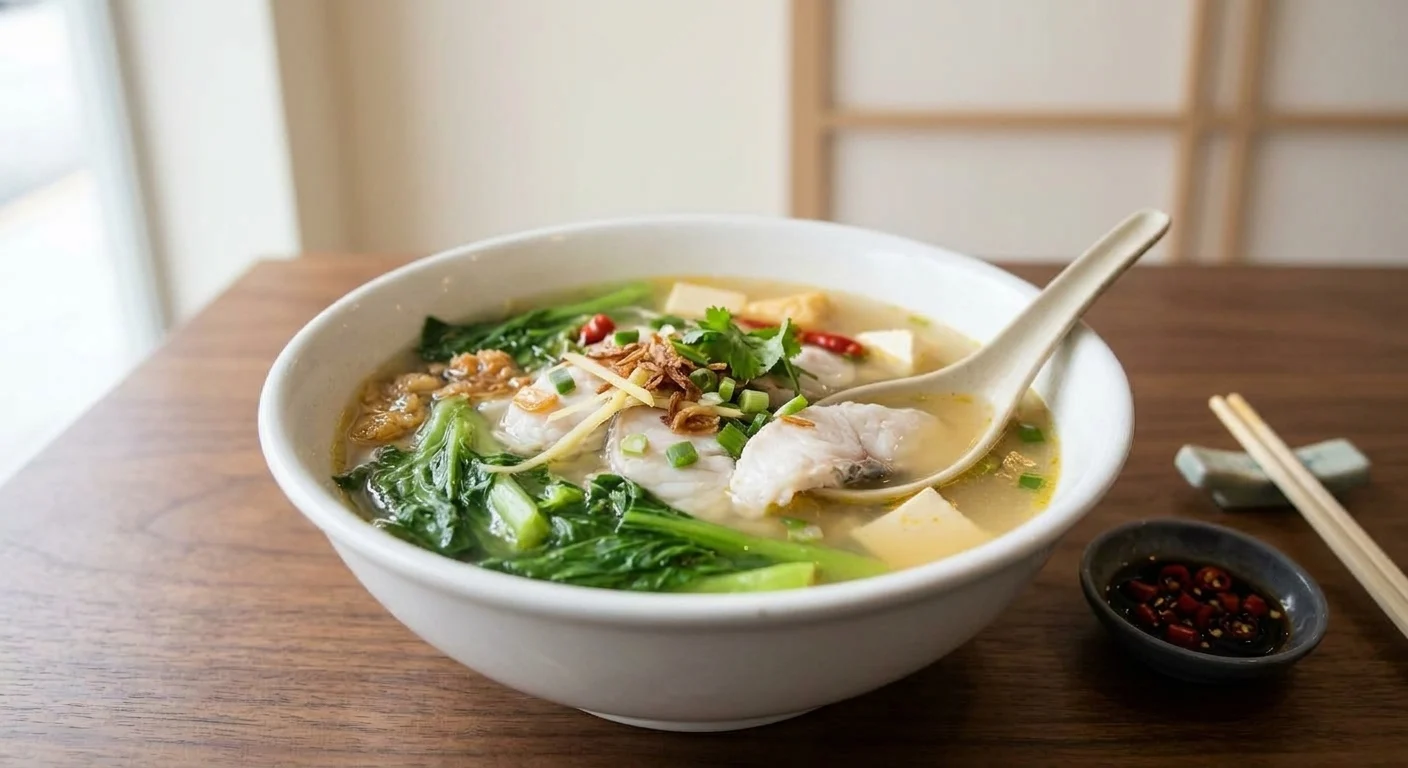
Good food to eat after embryo transfer in IVF is simple, balanced and safe: protein at every meal, cooked vegetables, whole grains, healthy fats and plenty of fluids. No single food has been proven to help an embryo implant, but steady eating keeps you nourished, eases progesterone side effects such as bloating and constipation, and keeps you within pregnancy food safety rules in case you are pregnant.
Key Takeaways
- No single food has been proven to help an embryo implant, so focus on balanced, steady meals rather than “superfoods”.
- Protein, fibre and fluids help with common progesterone side effects such as bloating, constipation and tiredness.
- Treat the two-week wait as early pregnancy for food safety, avoiding raw foods, high-mercury fish and alcohol.
- Traditional Chinese Medicine (TCM) favours warm, cooked meals during this time to support digestion and comfort.
- Continue to take folic acid and vitamin D.
Are There Foods That Help Implantation for IVF?
There is currently no scientific evidence that any specific food improves the chances of an embryo implanting after IVF. Research on diet and IVF looks at eating patterns over the months before treatment, not at single foods eaten after transfer. A systematic review of diet and IVF outcomes found links between healthy preconception patterns, such as the Mediterranean diet, and better pregnancy rates, but the studies were small and carried a moderate to high risk of bias.
Popular ideas such as eating pineapple core, Brazil nuts or “warm foods only” to boost implantation have no solid evidence behind them. Balanced eating supports your body, but it cannot control whether implantation happens, and your IVF diet in the months before treatment matters more than any single meal now. There is no need to feel guilty about any one meal.
Why Does Food Still Matter After Embryo Transfer?
Because your body is under real hormonal load. After transfer, most women take progesterone (the hormone that supports the uterine lining), which often slows digestion and causes bloating, constipation and tiredness. What you eat can make these easier to manage.
Food choices also matter for safety. If the embryo implants, you are already in very early pregnancy, so it makes sense to follow pregnancy food safety from the day of transfer. If you had a fresh transfer and your bloating keeps growing, call your clinic, as this can be a sign of OHSS after egg retrieval.
What Should You Eat After Embryo Transfer?
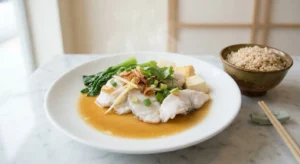
Aim for three balanced meals and one or two light snacks a day, built around these habits:
- Protein at every meal: eggs cooked until firm, fish, chicken, tofu, tempeh, beans and pasteurised dairy.
- Fibre: vegetables, fruit, oats and whole grains to keep digestion moving.
- Fluids: water steadily through the day, aiming for pale yellow urine.
- Healthy fats: nuts, seeds, avocado and olive oil for steady energy.
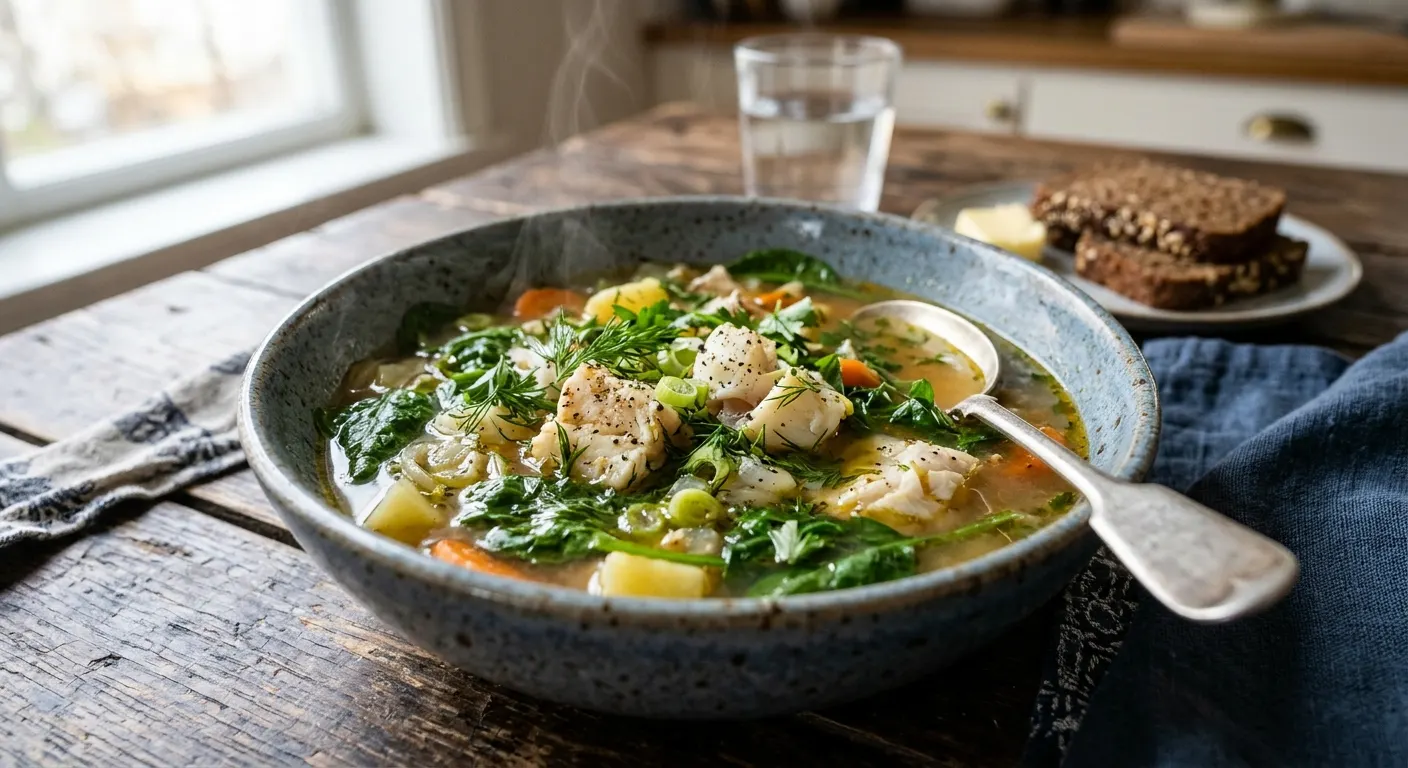
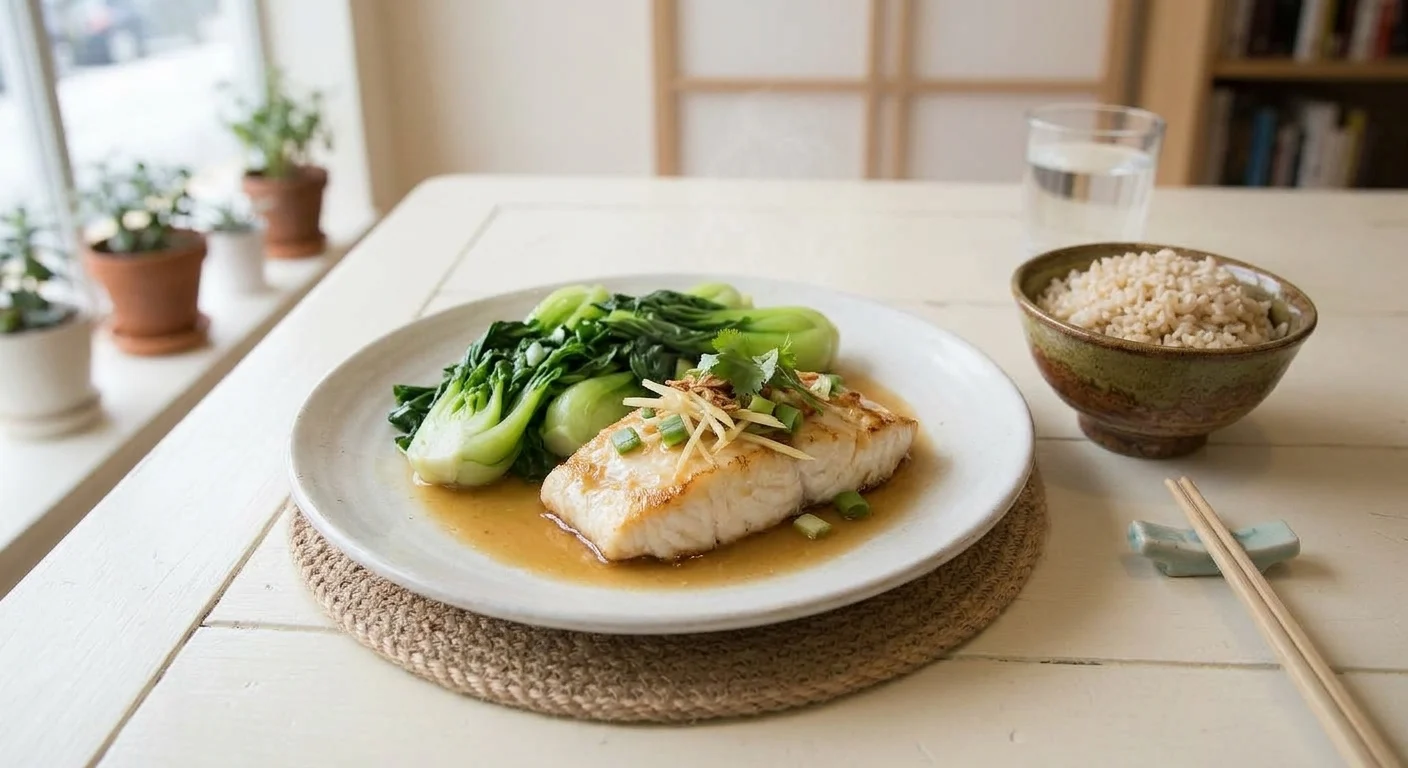
- Warm, cooked food: soups, congee, steamed dishes and stir-fried vegetables, which are gentler on a bloated stomach.
Easy Singapore Meal Ideas for the Two-Week Wait
- Breakfast: oats with banana and nuts, or wholemeal toast with firm-cooked eggs.
- Lunch: sliced fish soup with bee hoon, or brown rice with steamed chicken and kailan.
- Dinner: steamed fish with ginger, brown rice and stir-fried greens.
- Snacks: pasteurised yoghurt, a handful of nuts, fresh fruit or unsweetened soya milk.
Hawker meals are fine, as long as dishes are freshly cooked and served hot. Skip half-boiled eggs with kaya toast, raw cockles in char kway teow or laksa, and raw fish dishes.
How Can Food Ease Progesterone Side Effects?
Simple adjustments to what and how you eat can help ease the common side effects of progesterone support, such as bloating, constipation and tiredness. If you feel bloated, eat smaller meals spaced through the day rather than three large ones. For constipation, add prunes, ripe papaya or kiwi and drink more water. If you feel tired, steady protein and whole grains help keep your energy even, while sugary drinks tend to cause dips.
What Foods Should You Avoid During the Two-Week Wait?

Because a pregnancy may already have begun, it is safest to follow the same food safety guidance given to pregnant women from the day of your embryo transfer. This lowers the risk of foodborne infections such as listeria and salmonella, and limits exposure to substances like mercury and alcohol.
During the two-week wait, avoid or limit the following:
- Raw or undercooked food: sashimi, raw oysters, rare meat and runny or half-boiled eggs.
- High-mercury fish: swordfish, shark and king mackerel.
- Unpasteurised products: choose pasteurised milk, cheese and juice only.
- Alcohol: avoid completely.
- Caffeine: TCM physicians advise stopping coffee and tea from transfer until the end of the first trimester. If you do have some, keep it small and follow your IVF clinic’s advice.
Keep taking folic acid as advised. HealthHub’s guide to antenatal supplements notes that folic acid is usually taken from before pregnancy until the 12th week, to reduce the risk of birth defects affecting the baby’s spinal cord.
The TCM Perspective on the Two-Week Wait
In TCM, the days after transfer are about keeping the body warm, calm and well nourished, protecting the Spleen so it can make Qi and Blood. This is why TCM favours warm, cooked meals and fewer iced drinks. It is a traditional view of comfort and balance, not a promise about implantation.
At Wo.men Matters, gentle acupuncture for relaxation and food advice for bloating and constipation can be planned around your clinic’s protocol, as our page on TCM support for IVF and IUI explains. If you are trying to conceive naturally rather than through IVF, our guide to the luteal phase in TCM covers the second half of a natural cycle, and our guide to early pregnancy symptoms explains what early signs may or may not mean.
Frequently Asked Questions
Can I drink alcohol after embryo transfer?
No. Doctors advise avoiding alcohol completely from the day of transfer, as no safe level of alcohol has been established in early pregnancy. TCM gives the same advice, as alcohol is seen as heating and damp-forming, which can disturb the calm, well-nourished state the body needs to support a possible pregnancy.
Can I drink coffee after embryo transfer?
As a precaution, we prefer our patients to stop coffee and tea from the day of transfer until the end of the first trimester, simply to be on the safe side during this early stage.
Should I stay in bed after embryo transfer?
No, strict bed rest is not needed for most women. Light activity, regular meals and good sleep help you feel more settled. Avoid heavy lifting and intense exercise until your clinic says otherwise.
Why Choose Wo.men Matters
The two-week wait can feel long, and calm, coordinated support makes a difference. At Wo.men Matters, our TCM physicians review your IVF schedule alongside a full Traditional Chinese Medicine assessment, then plan gentle support that fits safely around your fertility clinic’s instructions.
Our bilingual team is here to ensure every step of your care is clearly communicated and understood. Connect with our team to see how a tailored approach can support you through your IVF journey. Your matter, our matter.